Adjust Lumbar Support on a Mesh Chair for Best Fit

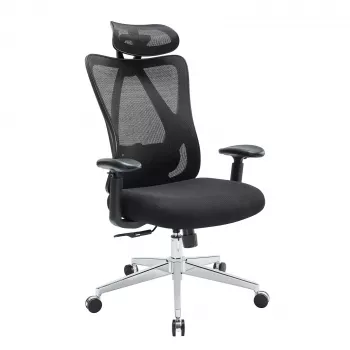
How do you adjust lumbar support on an ergonomic mesh office chair for the best fit?
A well-set lumbar support should meet the natural inward curve of the lower back so the spine feels “stacked,” not forced. The goal is steady contact that reduces slouching while still letting you move and breathe comfortably.
1) Start with your seated posture
Sit all the way back so your hips are against the backrest. Plant your feet flat on the floor and keep your knees roughly level with (or slightly below) your hips. If your chair has a recline tension or lock, set it to a neutral position so the backrest supports you without pushing you forward.
2) Find the correct lumbar height
Adjust the lumbar support up or down until the thickest part lands in the small of your back—typically around belt-line height. If it’s too high, it can press into the mid-back and encourage flattening of the lower spine. If it’s too low, it won’t “catch” the curve and you’ll tend to slump.
3) Dial in the depth or firmness
If your chair offers depth (how far the lumbar bulges forward), start low and increase gradually. You should feel gentle, consistent contact—not a hard point. Too much pressure can create a “poked” sensation or push your pelvis forward, while too little makes it easy to collapse into the mesh.
4) Check the fit during small movements
Lean back slightly, then return upright. Roll your shoulders and take a few deep breaths. The lumbar should stay in contact through these micro-movements without riding up, slipping down, or creating a hotspot. If it shifts, recheck height first, then reduce depth.
5) Reassess after 10–15 minutes
Comfort changes once your body settles. If your lower back feels fatigued, bring the lumbar slightly higher or increase depth one small step. If you feel pressure or numbness, reduce depth or lower it slightly. Small adjustments usually beat big changes.
For a more detailed walkthrough and chair-specific tips, visit the main guide on adjusting lumbar support on an ergonomic mesh office chair.
FAQ
Should lumbar support touch your back all the time?
Yes, it should maintain light, continuous contact while you sit back normally. It shouldn’t feel like it’s jabbing you or preventing you from shifting positions.









Leave a comment