10-Cup vs 20-Cup Rice Cooker: Pick the Right Size
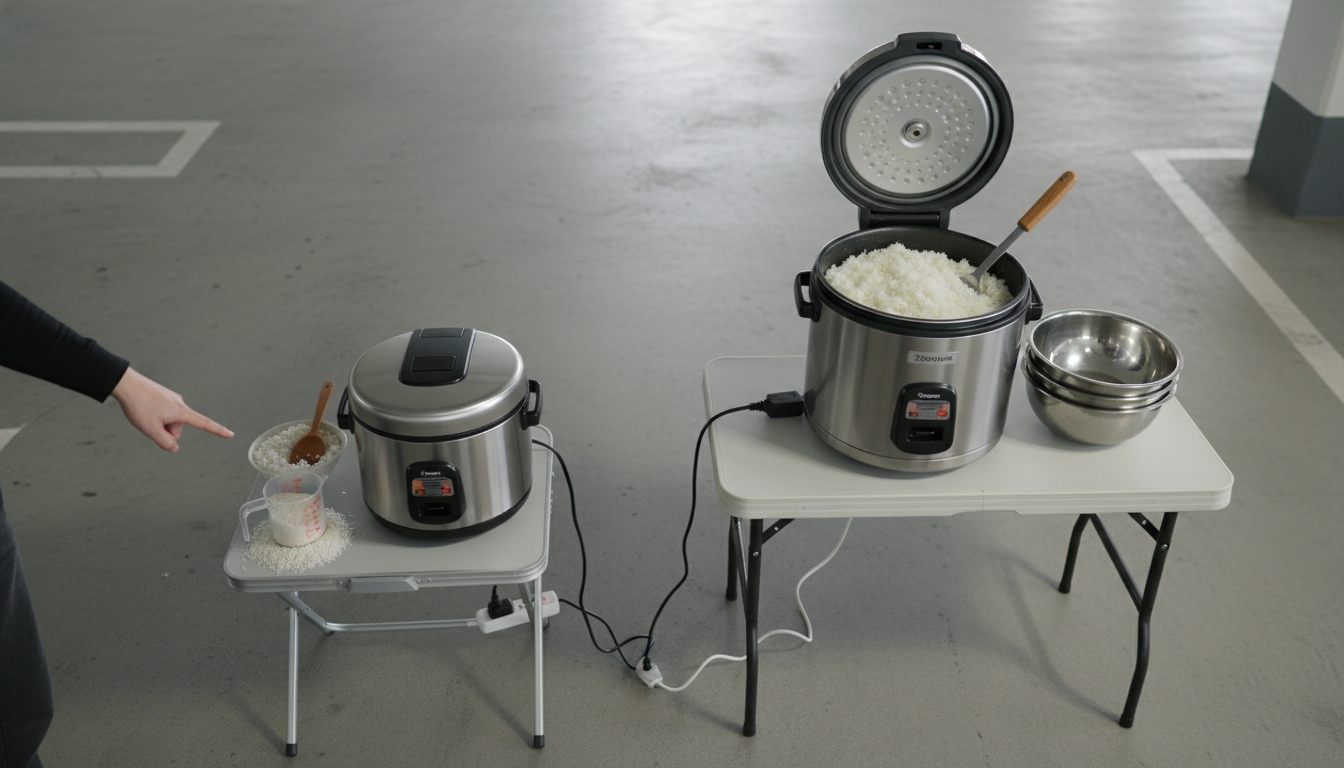
How do I choose between a 10-cup and a 20-cup rice cooker?
Choose a 10-cup rice cooker if you’re cooking for a small household most nights, want a smaller footprint on the counter, and prefer quicker, more frequent batches. A 20-cup rice cooker makes more sense when you regularly feed a crowd, batch-cook for the week, or need one appliance that can handle big jobs without running multiple cycles.
Start with how many people you feed (and how often)
A 10-cup cooker typically covers everyday meals for couples and smaller families, especially if rice is a side dish rather than the centerpiece. If you routinely cook for larger households, host gatherings, or meal-prep several portions at once, a 20-cup model reduces the need for back-to-back batches and keeps serving consistent for everyone.
Consider your “real” batch size, not just the max
Think about the amount you actually cook most days. If you usually make a modest amount of rice, a 10-cup cooker is easier to manage and store. If your typical routine includes extra portions for lunchboxes, freezer meals, or potluck-sized servings, the 20-cup capacity becomes practical rather than excessive.
Account for kitchen space and storage
Capacity often comes with a larger body, heavier inner pot, and more cabinet space required. If your kitchen is tight, a 10-cup cooker is easier to leave on the counter or tuck away. If you have a dedicated appliance spot or pantry shelf, the larger footprint of a 20-cup cooker is less of a drawback.
Look beyond rice: parties, steaming, and one-pot cooking
Larger cookers can be handy for steaming big batches of vegetables, dumplings, or seafood while rice cooks below, and for handling larger one-pot meals. If those bigger “all-in-one” meals are part of your routine, the extra capacity can pay off in convenience.
For more detail on picking the right size for family meals and batch cooking, see the full guide here: large rice cooker family meals & batch cooking guide.
FAQ
Is a 20-cup rice cooker too big for small batches?
It can be, depending on the model and minimum recommended amount. If you often cook just 1–2 cups of uncooked rice, check the cooker’s minimum capacity guidance and user reviews to confirm it performs well at smaller volumes.










Leave a comment