Best Fabrics for Summer: Stay Cool in Heat & Humidity
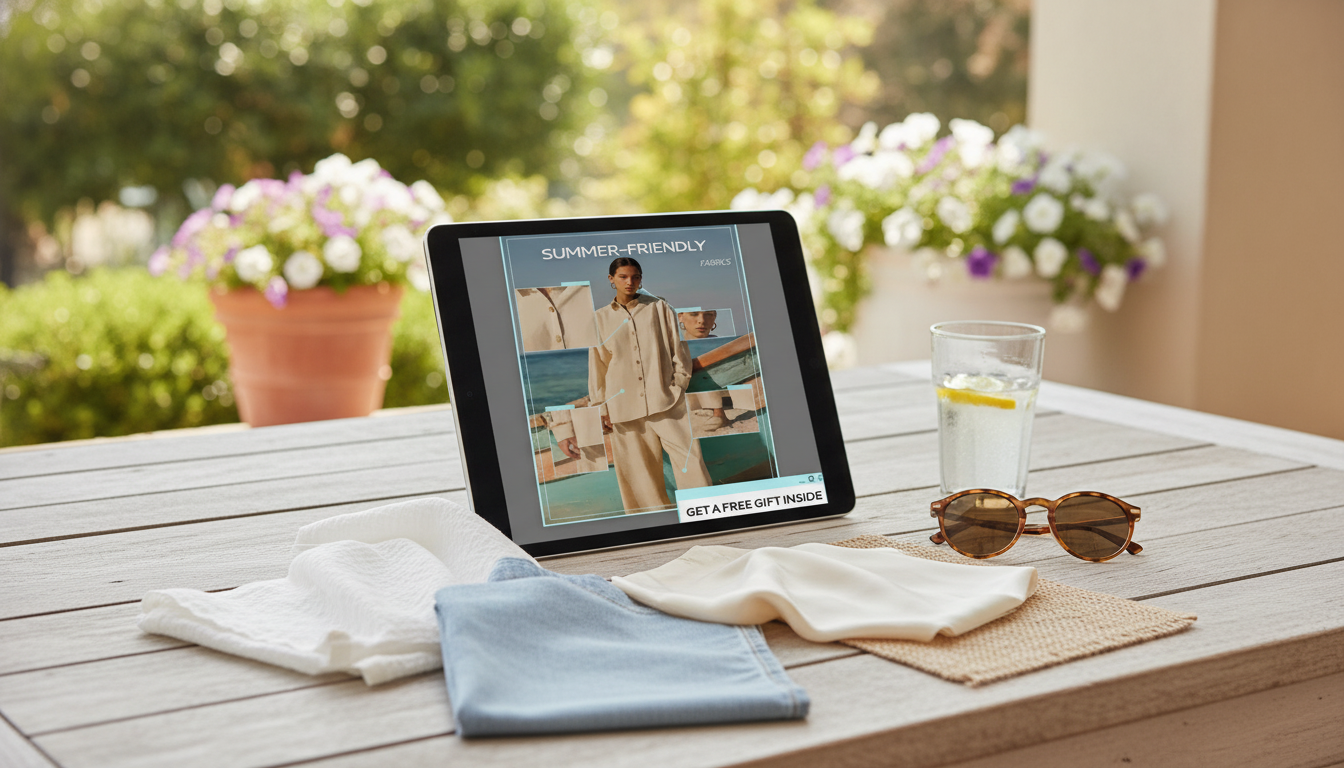
Summer-Friendly Fabrics: A Practical Guide to Staying Cool, Comfortable, and Stylish in Hot Weather
Hot, humid days can turn the wrong outfit into a sticky distraction. Fabric choice matters as much as fit—breathability, moisture handling, weight, weave, and color all influence how cool (or overheated) clothing feels. The goal is simple: let heat escape, help sweat evaporate, and avoid fabrics that cling or trap warmth when the temperature spikes. For broader heat-safety tips, the CDC’s extreme heat guidance is a helpful companion to smart wardrobe choices.
What Makes a Fabric Feel Cool in Summer
A “cool” fabric is rarely about fiber alone. How it’s woven, how it’s finished, and how it fits can change everything.
- Breathability: Airflow depends on fiber and construction. An open weave can breathe better than a dense weave—even if both are cotton.
- Moisture management: Some fabrics absorb sweat (then feel heavy), while others wick moisture outward so it can evaporate faster.
- Weight and thickness: Lighter fabrics generally trap less heat, but ultra-thin materials can cling when damp—especially in humidity.
- Weave/knit structure: Crisp woven fabrics often stand away from the skin; dense knits can hold warmth unless they’re engineered for ventilation.
- Color and finish: Light shades reflect more radiant heat in direct sun. Heavy coatings, waxes, and tight laminations can block airflow.
Top Summer-Friendly Fabrics (And When to Wear Them)
Use the list below as a practical starting point, then confirm by checking the garment’s weight, weave density, and cut.
Quick comparison of common warm-weather fabrics
| Fabric | Best for | Feel in heat | Watch out for |
|---|---|---|---|
| Linen | Humid days, airy shirts, trousers, dresses | Very breathable, dries relatively fast | Wrinkles; some weaves can be see-through |
| Lightweight cotton | Everyday basics, workwear, casual | Breathable with the right weave | Heavy cotton can trap heat; can stay damp |
| Lyocell/viscose | Drapey tops, dresses, wide-leg pants | Cool touch, comfortable drape | Can cling when sweaty; durability varies by blend |
| Hemp | Casual staples, travel pieces | Dry, breathable, less cling | Can feel stiff at first; softens with wear |
| Ultralight merino | Travel, odor control, long wear | Regulates temperature, less odor | Choose very light weight; avoid dense knits |
| Wicking synthetics | Workouts, hikes, hot commutes | Fast-drying, sweat-moving | Can hold odor; dense fabrics reduce airflow |
Linen
Linen is a warm-weather classic because it’s typically woven in a way that allows strong airflow and it doesn’t feel swampy for long. It’s especially good in humidity and for relaxed tailoring (camp-collar shirts, wide-leg pants, breezy dresses). Wrinkles are normal and part of linen’s character. For a quick background on linen as a textile, see Britannica’s overview.
Lightweight cotton
Cotton can be incredibly summer-friendly—when it’s light and woven for breathability. Look for poplin, voile, seersucker, chambray, or gauze. Skip heavy jersey or thick “premium” tees when the heat index climbs.
Rayon/viscose and lyocell (Tencel)
These fibers are loved for drape and a cool-to-the-touch feel. The tradeoff is that very fluid, thin versions can cling when you sweat. A slightly heavier weight, a textured weave, or a roomy cut helps a lot.
Hemp
Hemp is durable, breathable, and tends to have a dry hand-feel that resists cling. It can start out crisp or slightly stiff, then softens with wear and washing—great for shorts, casual shirts, and travel staples.
Ultralight merino wool
Merino can be surprisingly useful in summer because it helps regulate temperature and resists odor over long days. The key is choosing very light weights and avoiding dense knits that trap warmth.
Performance synthetics (polyester/nylon blends)
Modern active fabrics can wick sweat and dry quickly—ideal for workouts, hikes, and hot commutes. To stay comfortable, choose versions with ventilation (mesh zones, open weaves) and consider odor-control treatments. Workplace heat resources like NIOSH heat stress guidance can also help with planning breaks, hydration, and cooling strategies.
Fabric Constructions That Boost Airflow
- Seersucker: Its puckered texture lifts fabric off the skin, increasing ventilation and reducing cling.
- Gauze and double gauze: Soft, airy, and breathable for relaxed shirts, beach coverups, and summer dresses.
- Poplin and voile: Crisp woven options that look polished while staying light—great for work-appropriate heat.
- Mesh or engineered ventilation: Strategic perforations and panels help activewear dump heat faster.
- Loose weaves vs. durability: The airiest fabrics can snag more easily; match openness to how hard you’ll wear it.
How to Read a Clothing Label for Hot Weather
Styling and Fit Tricks That Keep You Cooler
Common Summer Fabric Mistakes (And Better Alternatives)
Practical Checklist for Building a Summer Fabric Capsule
Hot-Weather Add-Ons for Daily Comfort (Available Now)
- Ergonomic Mesh Office Chair with Lumbar Support, Adjustable Headrest & 2D Arms (mesh airflow helps when rooms run warm).
- Ultra HD 4K WiFi Body Camera with Night Vision & Motion Detection (hands-free option for outdoor walks or travel days).
- Wooden Multiplication Board for Kids (a screen-light activity for indoor afternoons when the heat keeps everyone inside).
FAQ
Is linen always cooler than cotton?
Linen is often cooler because it’s commonly woven for strong airflow and tends to dry quickly, but lightweight cotton in open constructions (like voile, seersucker, or gauze) can feel just as breezy. Construction and fit usually matter more than the fiber name.
Do synthetic fabrics make hot weather worse?
Dense everyday synthetics can trap heat and hold odor, but modern wicking synthetics with ventilated weaves can perform very well for active use. Comfort depends on how tightly the fabric is made and whether it’s designed to move moisture outward.
What fabric is best for high humidity without feeling clingy?
Linen, hemp, and crisp lightweight cotton weaves are strong choices because they breathe well and tend to hang away from the skin. Very drapey rayon/viscose can work, but it’s less likely to cling when the weight is a bit higher and the cut is relaxed.








Leave a comment