Hottest Summer Fabrics: What Traps Heat Most
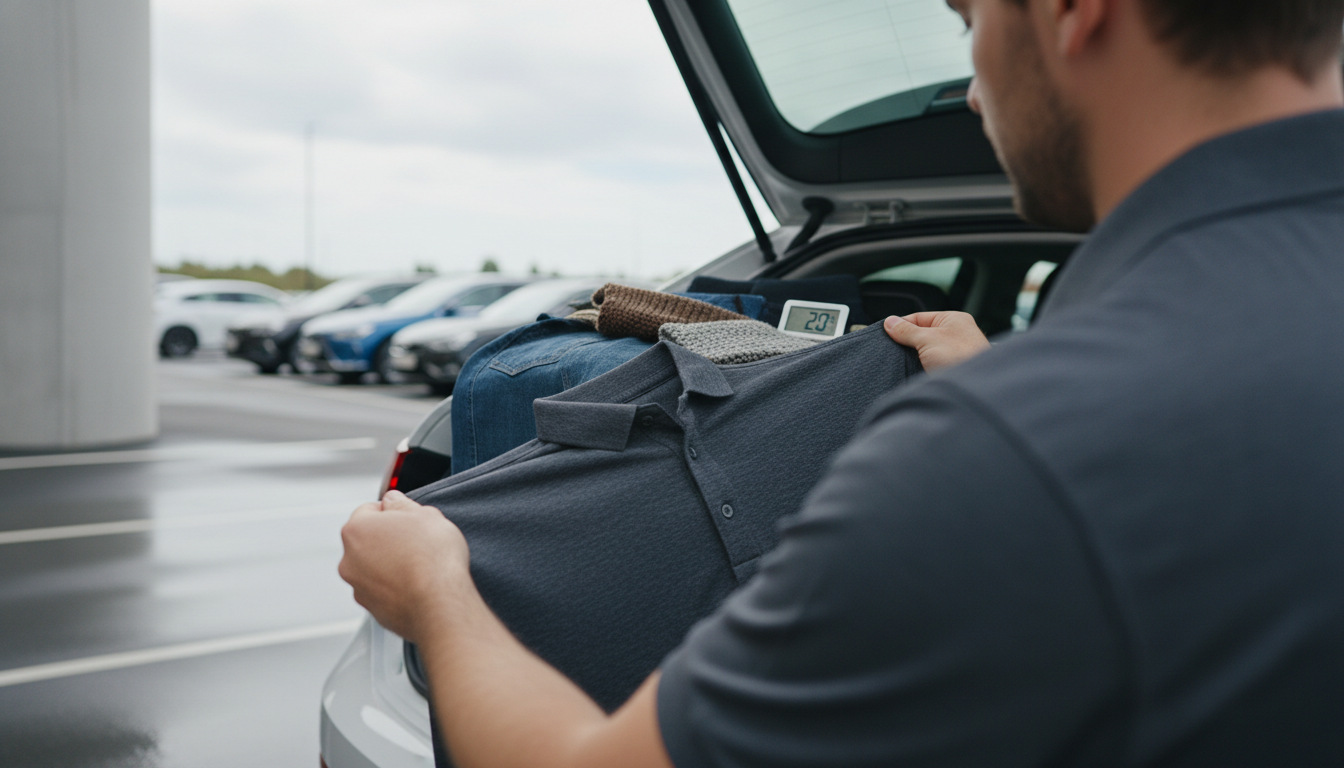
Which fabrics trap heat and feel hottest to wear in summer?
Answer
In summer, the fabrics that feel hottest are usually the ones that hold warm air close to your skin, slow down airflow, and don’t move moisture away fast enough. The biggest offenders tend to be dense, non-breathable synthetics and tightly constructed weaves.
Polyester often tops the list. While it can be engineered for athletic performance, everyday polyester (especially in smooth, tightly woven styles) can trap heat and make sweat feel sticky because the fiber itself isn’t very absorbent. When humidity is high, it can feel like the fabric “clings” and won’t let your body cool efficiently.
Nylon can also feel hot, particularly in close-fitting items and windbreaker-like fabrics. It’s lightweight, but many nylon textiles are made to block air and resist water—great for outerwear, not great for heat release in summer.
Acrylic is another heat-trapper. It’s often used as a wool alternative and tends to hold warmth rather than let it dissipate, making it uncomfortable for hot days.
Rayon/viscose blends can be tricky. Rayon is sometimes marketed as “breathable,” but many rayon garments are made in drapey, clingy knits or blended with synthetics. Those constructions can reduce airflow and make the fabric feel warmer than expected, especially once it’s damp.
Very tight weaves and heavy fabrics (regardless of fiber) can feel hotter, too. Thick denim, heavyweight twill, and tightly woven “dress shirt” fabrics may block breezes and keep heat from escaping. Even cotton can feel stifling when it’s thick, dense, or layered.
For a deeper comparison of summer-friendly materials and what to choose instead, see the full guide here: best fabrics for summer to stay cool.
For Hottest Summer Fabrics: What Traps Heat Most, the best answer depends on fit, material, care instructions, and how the product will be used day to day.
FAQ
Does fabric color affect how hot clothing feels?
Yes. Dark colors generally absorb more radiant heat from the sun, while lighter colors reflect more, which can make light-colored clothing feel cooler outdoors.









Leave a comment