Breathable Fabric Meaning: How to Spot It Online
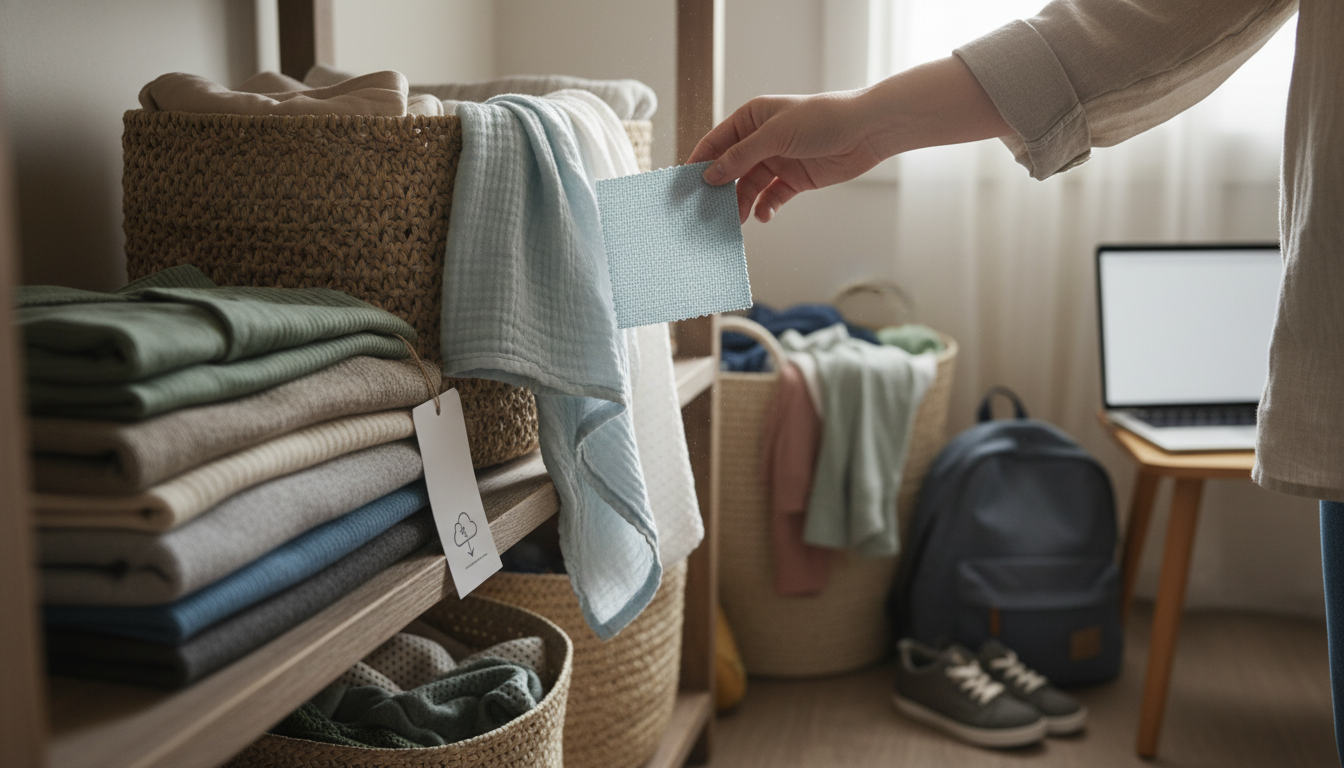
What does “breathable fabric” actually mean, and how can you tell when shopping online?
“Breathable fabric” means the material allows heat and water vapor (sweat) to move away from your skin instead of trapping it. When a fabric breathes well, you feel less sticky, it dries faster, and it’s less likely to get that clammy, overheated feeling—especially in warm weather or layered outfits.
How do breathable fabrics work?
Breathability comes from two main factors: fiber type and fabric construction. Some fibers naturally manage moisture better, while some weaves and knits create tiny air channels that help ventilation. A lightweight, open structure typically feels cooler than a dense, tightly packed one—even if both are made from the same fiber.
How can you tell if a fabric is breathable when shopping online?
1) Check the fiber content (not just the marketing)
Look for a detailed materials list. Natural and summer-friendly options often include cotton, linen, and certain rayon/viscose blends that drape and vent well. Synthetic fabrics vary: some modern performance polyesters are engineered to move moisture, while others can feel heat-trapping depending on the finish and thickness.
2) Read the fabric weight and knit/weave clues
Product pages may mention “lightweight,” “gauze,” “poplin,” “seersucker,” “jersey,” or “mesh.” These terms often signal more airflow. On the other hand, words like “heavyweight,” “double-knit,” “brushed,” or “coated” can suggest a warmer, less ventilated feel.
3) Look for moisture-wicking and quick-dry details (when relevant)
Breathable doesn’t always mean “wicking,” but the two pair well for activewear. If you run hot or sweat easily, prioritize clear claims like “moisture-wicking” or “quick-drying,” plus care notes that suggest the fabric releases moisture fast.
4) Use reviews to confirm real-world comfort
Search reviews for words like “airy,” “doesn’t cling,” “not sweaty,” “dries fast,” or “felt cool.” If many shoppers mention “stuffy,” “plastic-y,” or “traps heat,” it’s a warning sign regardless of the description.
For a deeper breakdown of warm-weather materials and why they feel cooler, see this guide to the best fabrics for summer.
FAQ
Is linen more breathable than cotton?
Often, yes—linen typically has a looser structure and excellent airflow, which can feel cooler in humid heat. Cotton can still be very breathable, especially in lightweight weaves like poplin or gauze.








Leave a comment