Slow Cooker Timer: Worth It for Most Home Cooks?
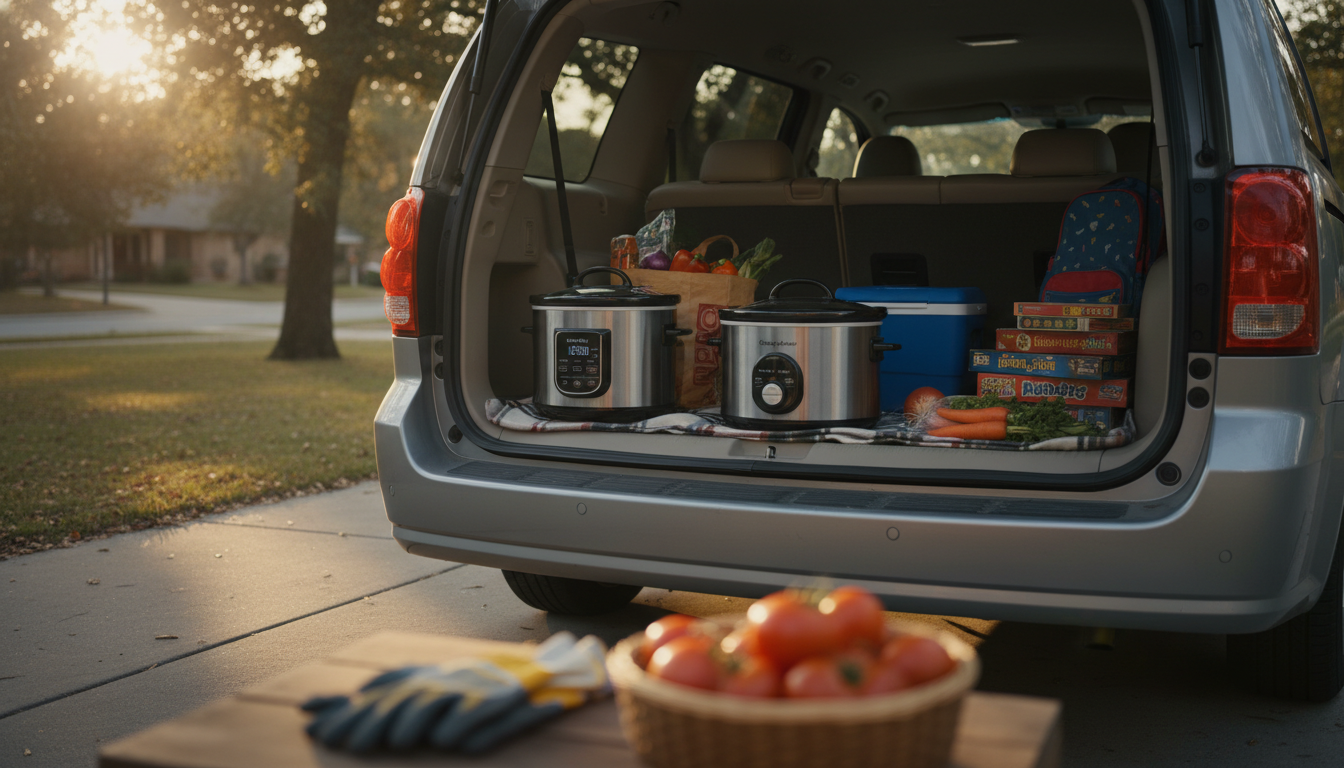
Is it better to get a slow cooker with a timer?
For most kitchens, a slow cooker with a timer is the better pick because it adds control, safety, and convenience without changing how you cook. A timer helps prevent meals from staying on full heat longer than necessary, which can dry out lean meats, turn vegetables mushy, or over-reduce sauces. If dinner timing is unpredictable, the ability to switch automatically to “Warm” can keep food ready without continued cooking.
Why a built-in timer can be worth it
A timer is especially useful for busy schedules. You can start a roast or chili in the morning and have the cooker handle the transition from cooking to holding temperature later in the day. That’s helpful for families juggling work, school pickup, or workouts, and it reduces the temptation to “set it and forget it” for too many hours.
Timers also make recipes more repeatable. If a dish turns out perfect at 6 hours on Low, you can reliably hit that same finish window next time, even if you’re not standing nearby to watch the clock.
When a timer might not matter
If someone is usually home and can switch the slow cooker to Warm manually (or turn it off), a timer is less essential. Simple manual models can be durable, straightforward, and often cheaper. They can also be a good fit for recipes that are forgiving with longer cook times, like pulled pork, stews, or beans.
What to look for besides the timer
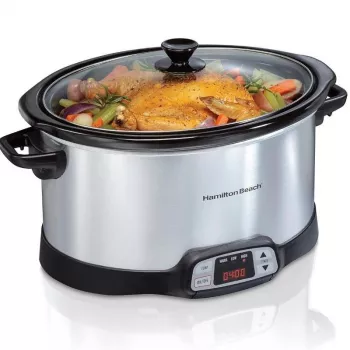
Not all timers are equal. Look for an automatic “keep warm” feature, an easy-to-read display, and controls that make sense at a glance. If cleanup is a priority, check whether the lid and stoneware are dishwasher-safe. For a deeper breakdown of timer features and what to compare, see this guide to programmable slow cookers with timers.
FAQ
What size slow cooker should I buy?
A 6-quart slow cooker is the most versatile for families, meal prep, and roasts, while 3–4 quarts works well for couples or sides. For big batches, parties, or bone-in cuts, 7–8 quarts gives extra headroom and reduces spill risk.








Leave a comment