Programmable Slow Cooker: Timer + Dishwasher-Safe Crock
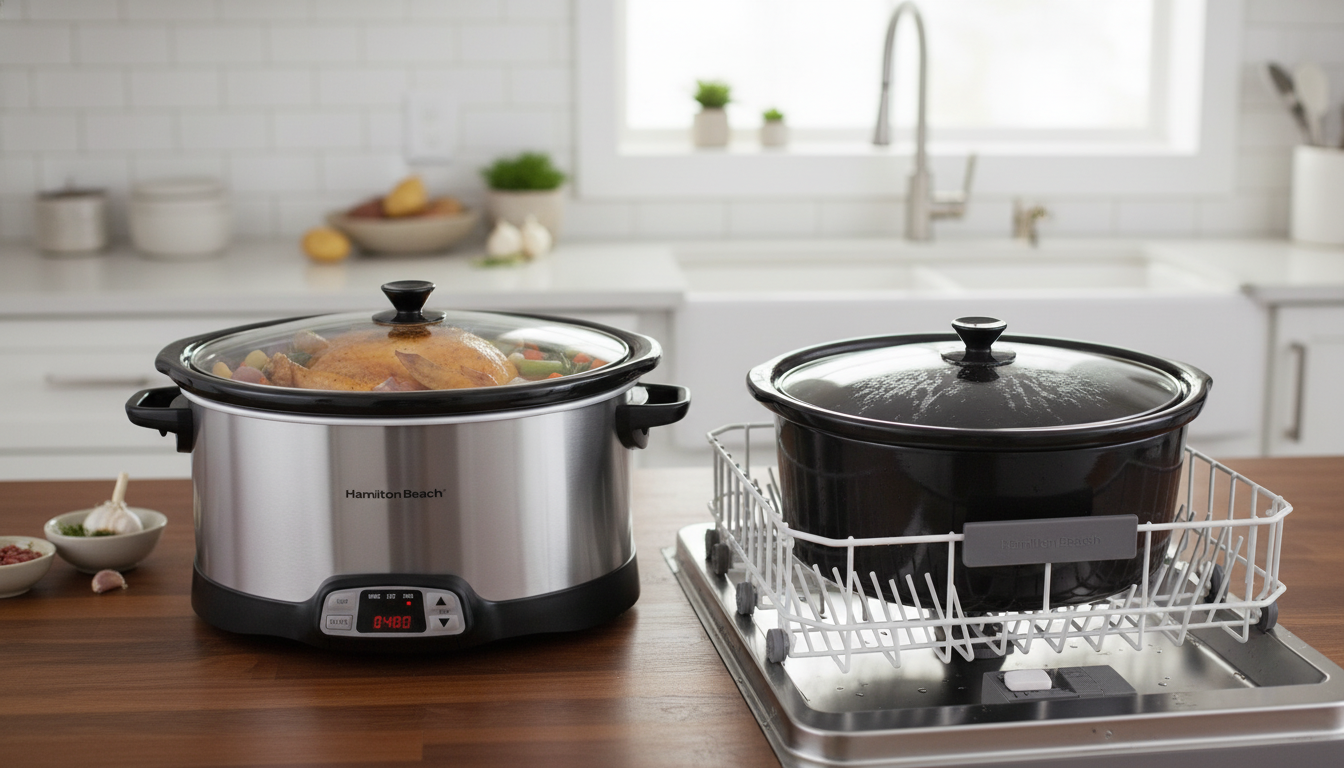
Programmable Slow Cooker with Countdown Timer & Dishwasher Safe Crock: What to Know Before You Buy
A programmable slow cooker that handles timing and cleanup can turn weeknight meals into a set-and-serve routine. The right countdown timer helps prevent overcooking when dinner gets delayed, while a dishwasher safe crock makes post-meal cleanup far less of a chore. Below is a practical guide to how these features work, what “dishwasher safe” usually covers, and how to get consistent results with stews, pulled meats, beans, and more.
What Makes a Programmable Slow Cooker Different
Traditional slow cookers often use a simple manual knob (Low/High/Warm). They’re reliable, but they put the responsibility on you to track time and switch settings when food is done. A programmable slow cooker adds digital controls that manage cooking time automatically, usually switching to a keep-warm mode when the timer ends.
A countdown timer is especially helpful for recipes with a narrow “perfect window,” such as shredded chicken (tender, not stringy), chili (thickened but not over-reduced), or pot roast (fork-tender, not dry). Instead of guessing when to check, you set the cook duration and let the display count down to completion.
Other convenience features worth looking for alongside programming include:
- Keep-warm mode: Maintains serving temperature once the cook cycle ends.
- Removable crock: Easier serving and simpler washing.
- Easy-to-read display: Clear time remaining at a glance.
- Stable lid fit: Helps maintain consistent heat and moisture.
Countdown Timer Basics and Why It Matters
Most countdown timing works the same way: choose a heat setting (often Low or High), set a duration, and the screen counts down until it reaches zero. After that, many models automatically move to keep-warm so food doesn’t sit at cooking temperature for longer than intended.
That matters for texture. Slow cookers are forgiving, but not magical—vegetables can turn mushy and lean meats can dry out after the ideal finish point. A timer helps reduce the “just one more hour” effect that turns a great meal into an overcooked one.
Timing also helps planning. You can align cook completion with dinner time, a work-from-home schedule, meal prep, or a potluck arrival. Before starting, confirm three things: the recipe’s true total time, whether it assumes a preheat step, and the safest way to hold food after cooking (keep-warm is for short holding, not an all-day storage method). For food safety guidance, the USDA shares specific slow cooker recommendations here: USDA FSIS: Slow Cookers and Food Safety.
Common timing patterns for slow cooker meals
| Meal type | Typical setting | Typical time range | Best finish cue |
|---|---|---|---|
| Pulled pork / shoulder | Low | 8–10 hours | Shreds easily with a fork |
| Chicken thighs for shredding | Low | 4–6 hours | Juices run clear; meat pulls apart |
| Beef stew | Low | 7–9 hours | Fork-tender chunks; carrots tender but intact |
| Chili (ground meat) | Low | 5–7 hours | Flavors melded; beans tender |
| Vegetable soup | Low | 4–6 hours | Vegetables tender, not falling apart |
Dishwasher Safe Crock: What’s Usually Safe to Wash
“Dishwasher safe crock” typically refers to the removable stoneware or ceramic insert—not the heating base. The base houses the electronics and heating element and should never be submerged; wipe it with a damp cloth once it cools.
Everyday Cooking Guide: Getting Reliable Results
- Layer for even cooking: Put dense ingredients (potatoes, carrots) near the bottom and edges where heat is strongest. Add delicate items later when possible.
- Expect less evaporation: Slow cookers trap moisture. Use less broth than a stovetop recipe, then thicken near the end if needed (for example, a cornstarch slurry stirred in during the last 20–30 minutes).
- Consider browning: Searing meat is optional, but it adds deeper flavor. If you deglaze the pan, skim excess fat before adding it to the crock.
- Mind the fill level: Avoid overfilling; staying around the middle range helps heat circulate and prevents spillover.
- Handle food safely: Start with thawed ingredients and get cooking promptly to minimize time in the temperature “danger zone.” The FDA explains the 40°F–140°F range here: FDA: Food Safety “Danger Zone”.
Cooking Lentils, Beans, and Other Staples Safely
Dried beans need more care. Cook to full tenderness, and note that some beans—especially kidney beans—are safest when boiled vigorously first to reduce lectins before slow cooking. The University of Minnesota Extension provides a clear overview here: University of Minnesota Extension: Beans, lectins, and safe cooking.
Cleanup and Care Checklist for Long-Term Use
Quick Troubleshooting
Featured Picks (In Stock)
- Programmable Slow Cooker with Countdown Timer & Dishwasher Safe Crock — a practical choice for hands-off timing and easier cleanup.
- Summer-Friendly Fabrics | Practical eBook Guide to Breathable Fabrics for Summer, Stay Cool, Comfortable & Stylish in Hot Weather — a helpful add-on for warm-weather comfort when the kitchen is busy.
- Kids Instant Camera 20MP, HD 1080P Print Camera with 32GB Card & Fun Features — a fun pick for family moments, including cooking-day memories.
FAQ
Is it better to get a slow cooker with a timer?
A timer makes it easier to match cook completion to serving time and helps reduce overcooking when schedules change. Models that switch to keep-warm after the countdown can also make short holding safer and more convenient.
Are crockpot brand slow cookers dishwasher safe?
Many slow cookers have dishwasher-safe removable crocks and often dishwasher-safe lids, but the heating base is not dishwasher safe and should not be submerged. Always confirm the care instructions for the exact model.
Is it safe to cook lentils in a slow cooker?
Yes—lentils are generally safe and well-suited to slow cooking when you use enough liquid and cook to the texture you want. Unlike lentils, dried kidney beans require special handling (a vigorous boil first) before slow cooking.







Leave a comment