Foam Rolling for Recovery: Benefits, Timing, Safety
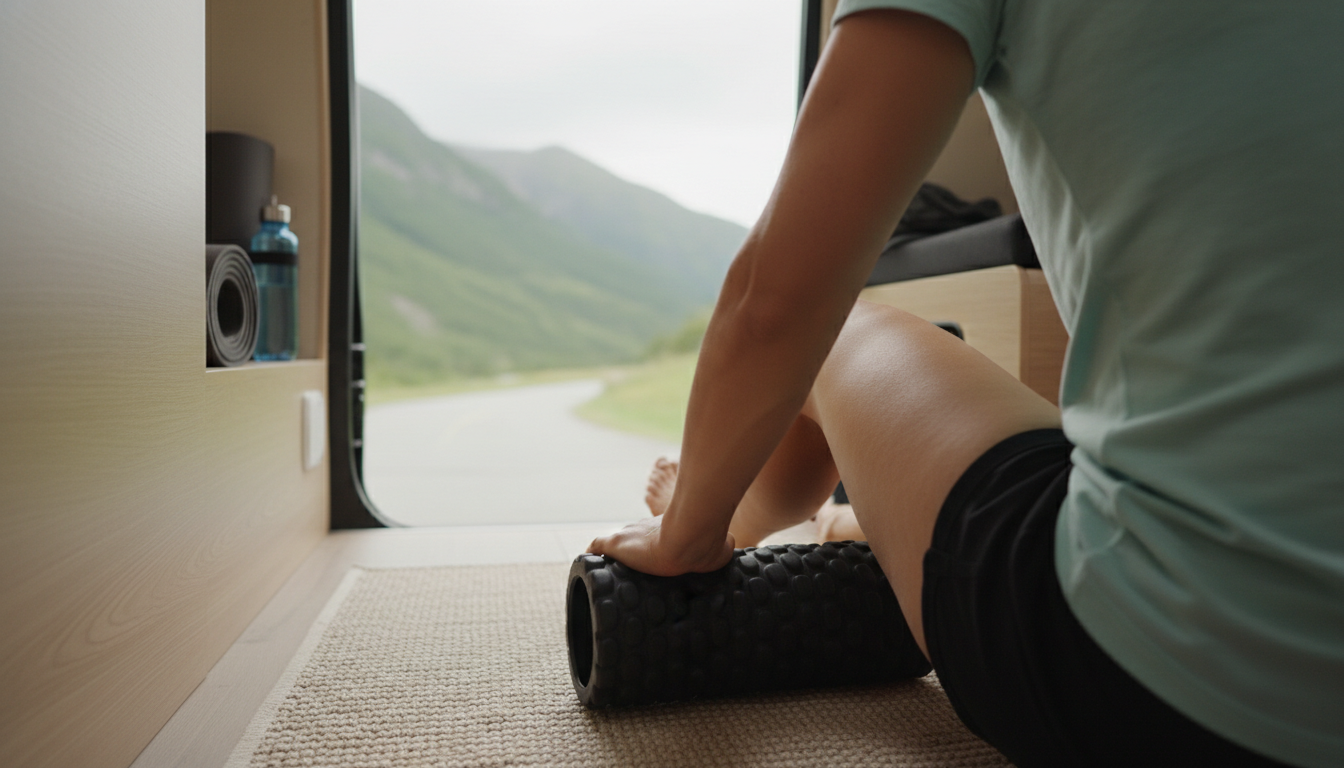
Is foam rolling good for recovery?
Foam rolling can be good for recovery, especially when the goal is to reduce muscle tightness and improve how you move after workouts. It’s a form of self-myofascial release that applies gentle, sustained pressure to muscles and surrounding tissue. Many people notice short-term improvements in flexibility and a decrease in the “stiff” feeling that can follow hard training.
For soreness, foam rolling may help you feel better by increasing local circulation and reducing sensitivity in tender areas. It won’t replace rest, sleep, hydration, and smart programming, but it can be a helpful add-on when used consistently and with appropriate pressure.
How to use foam rolling for recovery
Keep sessions simple: roll slowly over the target muscle group for about 30–60 seconds, pause on tight spots, and breathe. Aim for mild to moderate discomfort—pain that makes you tense up is usually too much. Common recovery areas include calves, quads, hamstrings, glutes, and upper back.
Timing is flexible. Foam rolling works well after training, on rest days, or before bed if it helps you relax. If you use it before a workout, pair it with dynamic warmups rather than treating it as the entire warmup.
When foam rolling might not be a good idea
Avoid rolling directly on joints, the lower back, or any area with sharp pain, swelling, numbness, or suspected injury. If you bruise easily, have circulation issues, or are recovering from surgery, check with a medical professional first. Foam rolling should feel like pressure and release—not like you’re “crushing” tissue.
Learn more details
For a deeper look at benefits, timing, and technique tips, visit the full guide: Is foam rolling good for recovery.
For Foam Rolling for Recovery: Benefits, Timing, Safety, the best answer depends on fit, material, care instructions, and how the product will be used day to day.
FAQ
How long should you foam roll after a workout?
Most people do well with 5–10 minutes total, spending 30–60 seconds per muscle group. Focus on the areas that feel tight, and keep pressure at a level that lets you stay relaxed and breathe steadily.









Leave a comment