Under-Pillow Bluetooth Sleep Speakers for Quiet White Noise
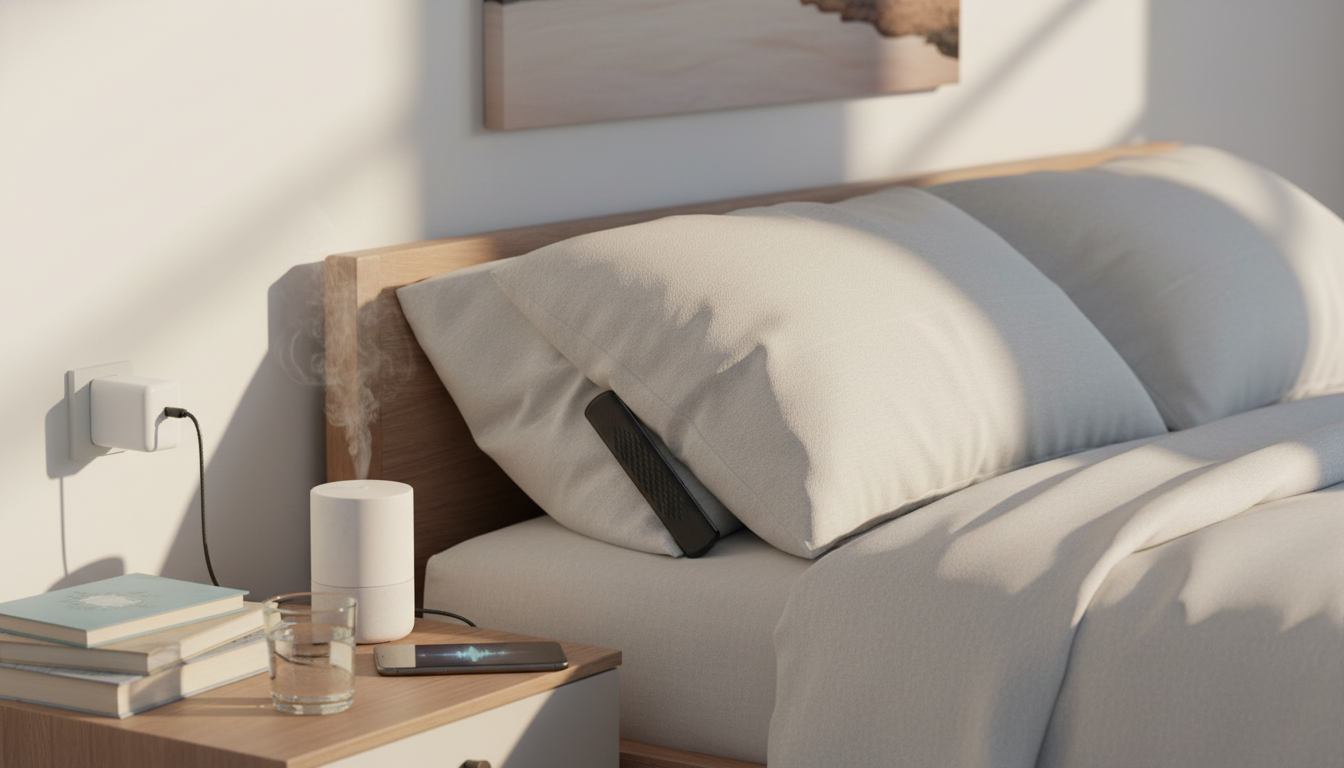
Under-Pillow Bluetooth Sleep Speakers: A Quieter Way to Wind Down
Falling asleep can be harder when a partner snores, neighbors are loud, or a racing mind won’t settle. An under-pillow Bluetooth sleep speaker is designed to keep sound close to the listener—soothing tracks, guided audio, or steady white noise—without lighting up the room or blasting a bedside speaker. This style of speaker focuses on comfort, low-profile placement, and simple nightly routines: connect by Bluetooth, pick a calming sound, set a timer if available, and let the audio fade into the background as sleep takes over. The goal is consistent, gentle masking and relaxation without disrupting anyone else in the room.
What an under-pillow sleep speaker does differently
- Audio stays close to your ear at a lower volume: Because the sound source is near you, it can feel more private than a nightstand speaker, especially in shared bedrooms.
- Helps smooth out unpredictable noise: Steady white noise (or similar) can make traffic, voices, and household sounds feel less “sharp” when they pop up.
- Supports different bedtime styles: It works for guided meditation, bedtime stories, ambient playlists, and calming soundscapes—without needing headphones that press into your ears.
- More partner-friendly: The sound is localized under the pillow instead of filling the room, so you’re less likely to disturb someone next to you.
How white noise can support a calmer sleep environment
White noise is often used as a simple masking tool: by creating a consistent background layer, it can make sudden changes in sound less noticeable. Many people find it helpful when dealing with snoring, apartment noise, or early-morning activity at home.
Consistency matters. Using the same sound and a similar volume each night can reinforce a predictable wind-down routine—one more cue to help your brain shift from “on” to “off.” If tinnitus or sound sensitivity is a concern, start at a very low volume and adjust gradually over a few nights. For a practical overview of benefits and potential downsides, see Sleep Foundation’s guide to white noise.
Common bedtime audio choices and when they fit best
| Audio type | Best for | Tips |
|---|---|---|
| White noise | Masking variable background sounds | Keep volume low and steady; avoid sudden track changes |
| Pink/brown noise | Softer, deeper sound profile | Try if white noise feels too bright or hissy |
| Nature sounds | Relaxation and stress reduction | Choose long, seamless loops without loud peaks |
| Guided meditation | Racing thoughts and bedtime anxiety | Use a sleep timer so the voice doesn’t wake you later |
| Quiet music/ambient | Gentle wind-down | Prefer slow, consistent tracks without big crescendos |
Key features to look for before buying
How to set it up for the first night
Comfort, safety, and sleep-hygiene considerations
- Hearing safety: Keep volume at a comfortable, low level. Loud audio for long durations can strain hearing over time; the National Institute on Deafness and Other Communication Disorders (NIDCD) explains how repeated exposure to high sound levels can contribute to noise-induced hearing loss.
- Overheating and airflow: Avoid wrapping the device tightly in thick fabrics. Maintain normal pillow ventilation and follow the device’s care guidance.
- Clean routine: Keep pillowcases fresh and the device surface clean—especially if you have sensitive skin or use skincare products at night.
- Bedroom cues: Pair your sound routine with dim lighting and a consistent bedtime to strengthen the wind-down signal. The American Academy of Sleep Medicine’s healthy sleep habits are a helpful baseline for building a steadier schedule.
- Know when to seek help: If insomnia, apnea symptoms, or frequent night waking persist, consult a qualified health professional.
Who this is best for (and who may want a different option)
Product spotlight: Under Pillow Bluetooth Sleep Speaker with White Noise
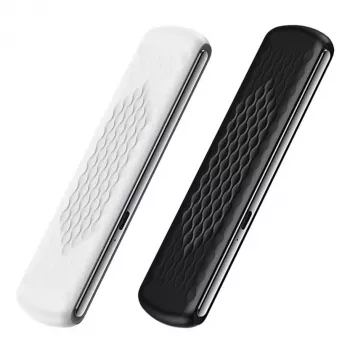
If the goal is localized bedtime audio without filling the room, the Under Pillow Bluetooth Sleep Speaker with White Noise is built around a simple nightly flow: place it near your ear under the pillow, connect by Bluetooth, choose a steady sound, and keep volume low. It’s a practical option for shared bedrooms where personal comfort and minimal disruption matter.
Quick snapshot
| Detail | Value |
|---|---|
| Product | Under Pillow Bluetooth Sleep Speaker with White Noise |
| Price | $20.97 USD |
| Availability | In stock |
| Best use | Localized bedtime audio and noise masking |
More in-stock picks to support a calmer routine
- Ergonomic Mesh Office Chair with Lumbar Support, Adjustable Headrest & 2D Arms — Helpful if evening work or reading time leads to neck/back tension that follows you into bed.
- Wooden Multiplication Board for Kids — A low-tech option for quiet pre-bedtime learning sessions that don’t involve bright screens.
FAQ
Can an under-pillow sleep speaker disturb a partner?
It’s less likely because the sound is localized under your pillow, allowing a lower volume than a room speaker. Position it near your ear and use steady sounds (like noise or soft ambient audio) to avoid noticeable changes.
Is it safe to sleep with white noise all night?
For most people, it can be fine at a low, comfortable volume, especially if it helps prevent repeated wake-ups. Avoid high volumes for long periods, and use a timer if you prefer the sound to shut off after you fall asleep.
What’s the best sound to mask snoring or street noise?
White, pink, or brown noise often works well because it provides consistent masking without the peaks you might get in nature tracks or music. Try a few options at a low volume and stick with the one that feels least distracting.









Leave a comment