Small Sisal Cat Tree for Indoor Cats: Scratch & Play
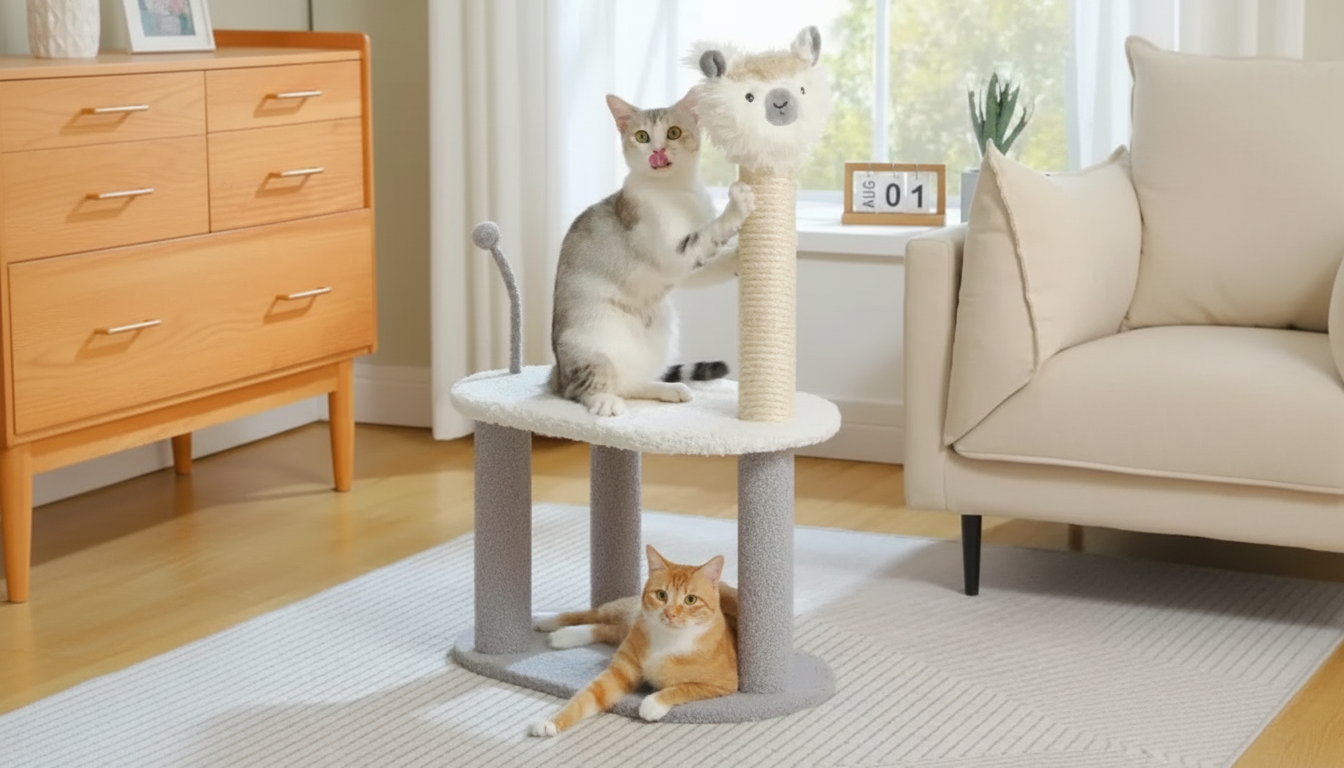
Small Cat Tree with Sisal Scratching Post and Play Area for Indoor Cats
A compact cat tree can combine scratching, climbing, and play in one spot—helping indoor cats stay active while protecting furniture. The right small setup supports natural behaviors (stretching, marking, perching, and pouncing) without taking over a room. Below is what to expect from a small cat tree with a sisal scratching post and play area, where to place it, and how to keep it stable and inviting over time.
What a compact cat tree adds to an indoor routine
Even a small cat tree can make daily life smoother for both cats and people because it concentrates “cat activities” in one reliable station. For indoor cats especially, predictability matters: one consistent place to scratch, hop up, and bat at toys can reduce boredom-driven mischief.
- Creates a dedicated scratching zone that redirects clawing away from sofas, rugs, and door frames
- Adds vertical movement opportunities in smaller rooms or apartments
- Gives cats a consistent “home base” for play breaks and quick perching
- Supports multi-activity needs (scratch, bat, climb) without spreading toys and scratchers around the home
When scratching needs are met, some households find there’s less pressure to consider harsh options. The American Veterinary Medical Association (AVMA) notes declawing is a major surgery; creating appropriate scratching outlets and enrichment is a practical first step for many cats.
Sisal scratching post: why it works and what to check
Sisal is a favorite scratching surface for many cats because it offers a grippy, shreddable texture that “catches” the claw in a satisfying way. Cats also tend to enjoy full-body stretching while scratching, so the post’s stability and usable height matter as much as the material.
- Sisal fiber provides a rough texture many cats prefer, encouraging full-stretch scratching
- A post should be tall enough for the cat’s natural reach; for smaller trees, place near a wall or furniture edge to boost confidence
- Look for tightly wrapped sisal with minimal gaps to reduce early unraveling
- If a cat is a “vertical scratcher,” orient the tree so the post is the first thing encountered on approach
Quick checklist for choosing a scratching post surface
| Feature | Why it matters | What to look for |
|---|---|---|
| Sisal wrap | Encourages gripping and shredding in a satisfying way | Tight coils, consistent coverage, fewer loose ends |
| Post firmness | Prevents wobble that can scare cats away | Stable base, no twisting under pressure |
| Placement-friendly size | Cats scratch where they pass by | Fits near a doorway, couch corner, or cat’s favorite path |
| Replaceability | Extends lifespan of the tree | Removable/rewrap-friendly design or easy-to-replace parts (when available) |
Play area features that keep indoor cats engaged
Indoor play is most effective when it feels like a short “hunt”: stalk, pounce, capture, and rest. A compact cat tree with a play platform and hanging toys supports that rhythm without needing a dedicated pet room.
- A small play platform gives a “pounce and pause” rhythm—ideal for short bursts of energy
- Built-in hanging toys or nooks can help self-directed play, especially for solo cats during the day
- Multiple textures (fabric + sisal) add variety and reduce boredom
- For households with two cats, rotate external toys near the tree to reduce resource guarding and keep the area fresh
For additional ideas to keep indoor life interesting, the ASPCA’s cat enrichment guidance is a helpful reference for building daily routines around play, climbing, and exploration.
Sizing and placement for stability and confidence
Placement can be the difference between “ignored” and “used daily.” Cats prefer to scratch where they already spend time, and they avoid furniture that wobbles or feels unpredictable under their paws.
- Place the tree on a flat, non-slippery surface; add a thin grippy mat underneath if flooring is slick
- Anchor the setup mentally by positioning it near a window, a common nap spot, or the cat’s favorite room corner
- Keep it away from high-traffic areas if the cat startles easily; quiet placement increases use
- If the cat is hesitant, start with the tree near an existing scratching target, then gradually relocate
If you’re working with a very small floor plan, consider placing the tree where your cat naturally “patrols” (like the path between food/water and a sleeping area). A small tree becomes more valuable when it’s part of the cat’s everyday route rather than tucked away.
Assembly and setup tips to encourage first-day use
Most cats decide quickly whether something feels safe and rewarding. A few small setup choices can make the new tree feel familiar instead of suspicious.
Care, cleaning, and extending the lifespan
Common behavior hurdles and easy fixes
Featured picks (in stock)
- Small Cat Tree with Sisal Scratching Post and Play Area for Indoor Cats — Compact option for apartments, starter setups, or a secondary station in multi-room homes.
- Ergonomic Mesh Office Chair with Lumbar Support, Adjustable Headrest & 2D Arms — Supportive seating for longer work sessions while your cat plays or lounges nearby.
FAQ
How do you get a cat to use a sisal scratching post instead of furniture?
Put the post where your cat already scratches, then reward any sniffing, pawing, or scratching immediately. Use short play sessions that end near the post, and temporarily block or cover the furniture target while redirecting right after naps and meals.
Is a small cat tree enough for an indoor cat?
Often yes for kittens, light climbers, and smaller spaces, especially when paired with daily interactive play. For high-energy cats, adding a second scratcher or a window perch can provide extra variety without needing a full tower.
Where should a cat tree be placed for best use?
Place it near a window, a common nap area, or along a regular walking path so it becomes part of daily routines. Avoid slick flooring and loud, high-traffic spots if your cat is timid, and prioritize a stable, non-wobbly setup.










Leave a comment