Healthy Meal Plan: 1-Week or 1-Month Balanced Recipes
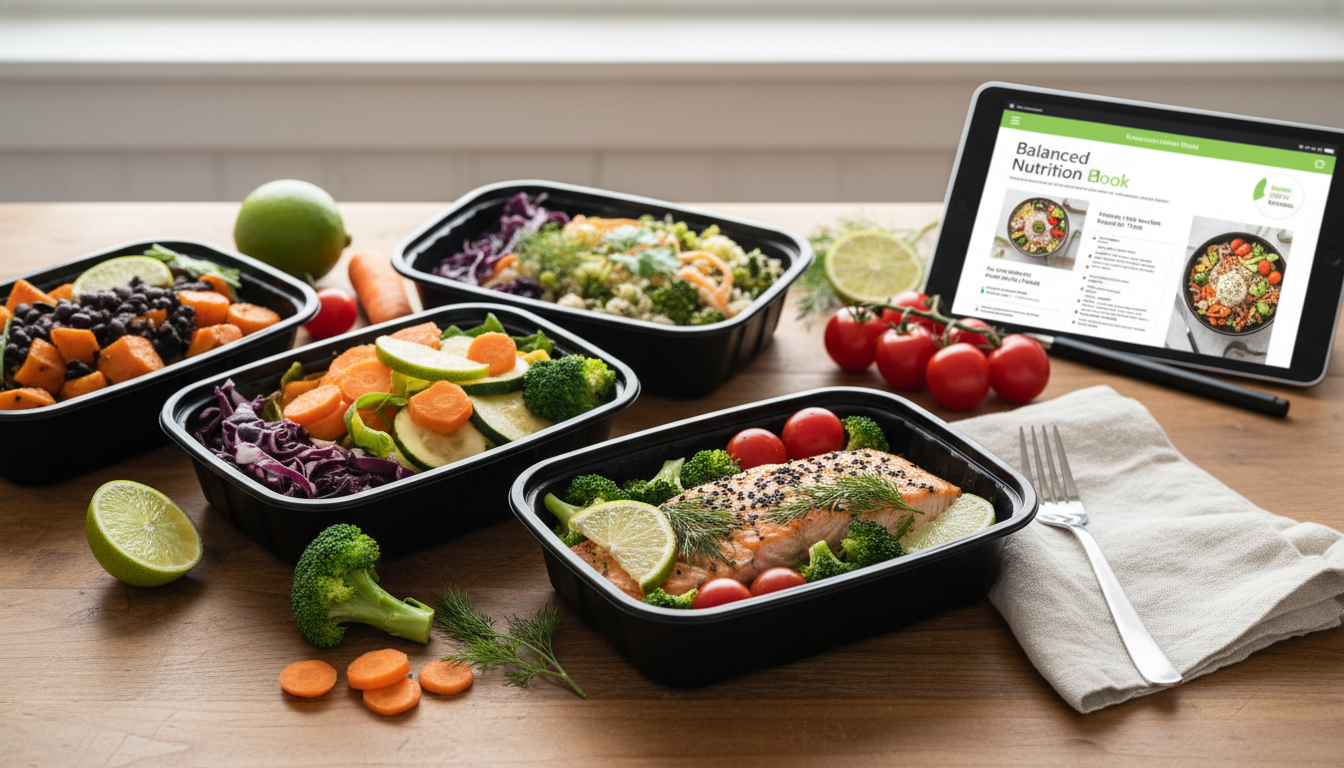
Healthy Meal Plan & Recipe Collection: One-Week or One-Month Balanced Eating Made Simple
A structured meal plan can remove daily decision fatigue while supporting steadier energy, better portions, and more consistent nutrition. The most useful plans don’t demand perfection—they make the next meal easier, whether you’re planning for one busy week or building a reliable routine for the month. Below is a practical way to choose a time frame, balance meals across the day, and follow a plan without living in the kitchen.
What a practical meal plan needs to include
The best meal plans are built for real schedules. That means clear structure, repeatable building blocks, and enough flexibility to handle changing appetites, workouts, and family needs.
- Clear daily structure: breakfast, lunch, dinner, and snacks with realistic prep time for weekdays.
- Balanced plate approach: vegetables/fruit, protein, quality carbs, and healthy fats across the day.
- Repeatable building blocks: mix-and-match meals (like bowls, wraps, and sheet-pan dinners) that reduce complexity without feeling repetitive.
- Portion guidance and flexibility: simple ways to scale servings up or down for appetite, goals, or household size.
- Consistency support: shopping list logic, a leftovers strategy, and a plan to minimize waste.
For a science-based visual framework, helpful references include USDA MyPlate and the Harvard Healthy Eating Plate.
One-week vs one-month plans: choosing the right time frame
Both time frames work—the best choice is the one you’ll actually repeat. A one-week plan is easier to start; a one-month plan reduces “what’s for dinner?” decisions over the long run.
Quick comparison: one-week vs one-month meal planning
| Feature | One-Week Plan | One-Month Plan |
|---|---|---|
| Best for | Testing routines and reducing overwhelm | Building habits and simplifying long-term decisions |
| Grocery strategy | Single weekly shop; minimal storage needs | Weekly or biweekly shops; more pantry planning |
| Variety | Moderate; easier to repeat favorites | Higher; easier to rotate themes and cuisines |
| Time savings | Immediate | Compounds over time |
| Flexibility | High; easy to pivot midweek | High if structured with swap options and leftovers |
A hybrid method often works best: repeat one or two favorite weeks inside a monthly framework, then rotate in a couple new recipes at a time. Seasonality also matters—monthly plans are smoother when recipes can flex between fresh produce, frozen vegetables, and pantry staples.
How balanced nutrition shows up across breakfast, lunch, dinner, and snacks
Balanced eating doesn’t require counting every detail. A simple structure across the day helps you show up to meals with the right “parts,” then adjust portions based on hunger and activity.
- Breakfast: pair protein + fiber for better staying power (examples: eggs or tofu + fruit; Greek yogurt + berries + oats).
- Lunch: aim for a bowl/plate anchored by vegetables and lean protein, plus a carb source for afternoon focus.
- Dinner: build around vegetables and protein first, then add carbs and fats based on training days, steps, and appetite.
- Snacks: use “bridge snacks” to prevent extreme hunger (protein + produce, or fiber + healthy fats).
- Hydration and micronutrients: include water-rich foods, varied produce colors, and regular sources of calcium, iron, and omega-3s when possible. The CDC’s healthy eating guidance can support overall weight and wellness goals.
A simple workflow to follow a plan without spending all day in the kitchen
A meal plan is only as useful as your execution on busy days. A “light structure, strong shortcuts” workflow makes the plan easier to live with.
- Pick a start date and scan for time-intensive recipes; place them on lower-stress days.
- Batch prep 2–4 anchors (a grain, a protein, chopped vegetables, and a sauce) to assemble meals fast.
- Cook once, eat twice: plan intentional leftovers for one or two lunches, or a quick second dinner.
- Use a flex meal slot: keep a freezer-friendly option or pantry meal for schedule changes.
- Maintain a short staples list: frozen veggies, canned beans, tuna/salmon, oats, eggs, yogurt, olive oil, nuts, and whole grains.
Sample day template (easy to personalize)
Templates reduce decision-making while still letting you swap foods you enjoy. Keep the structure; change the flavors.
Making a plan work for common dietary needs
What’s included in the Healthy Meal Plan & Recipe Collection eBook
If you want a done-for-you structure you can reuse, Healthy Meal Plan & Recipe Collection eBook (one-week or one-month) is designed to make balanced eating feel straightforward rather than strict.
How to get the most value from a recipe collection
For many people, consistency also depends on comfort and focus during planning—especially if you do a weekly “calendar + grocery list” session. A supportive desk setup can help make that routine easier to stick with, like the Ergonomic Mesh Office Chair with Lumbar Support, Adjustable Headrest & 2D Arms.
FAQ
Should a healthy meal plan include snacks every day?
Snacks are optional. They can help manage hunger and energy between meals, especially on long gaps, but some people do better with larger meals instead. A simple pattern is protein + fiber (like yogurt and fruit, or hummus and veggies).
How can a one-month meal plan stay flexible when schedules change?
Build in one or two flexible meals per week, keep a freezer-friendly backup, and plan for leftovers. Swapping within the same category (lunch-for-lunch or dinner-for-dinner) helps your grocery list still make sense.
What’s a simple way to balance breakfast, lunch, and dinner without counting?
Use a plate framework: half vegetables/fruit, a palm-sized protein, a fist-sized quality carb, and a thumb of healthy fat. Adjust portions up or down based on activity level, hunger, and how you feel over the week.









Leave a comment