5-in-1 Baby Food Maker: Steam, Blend & Sterilize (750ml)
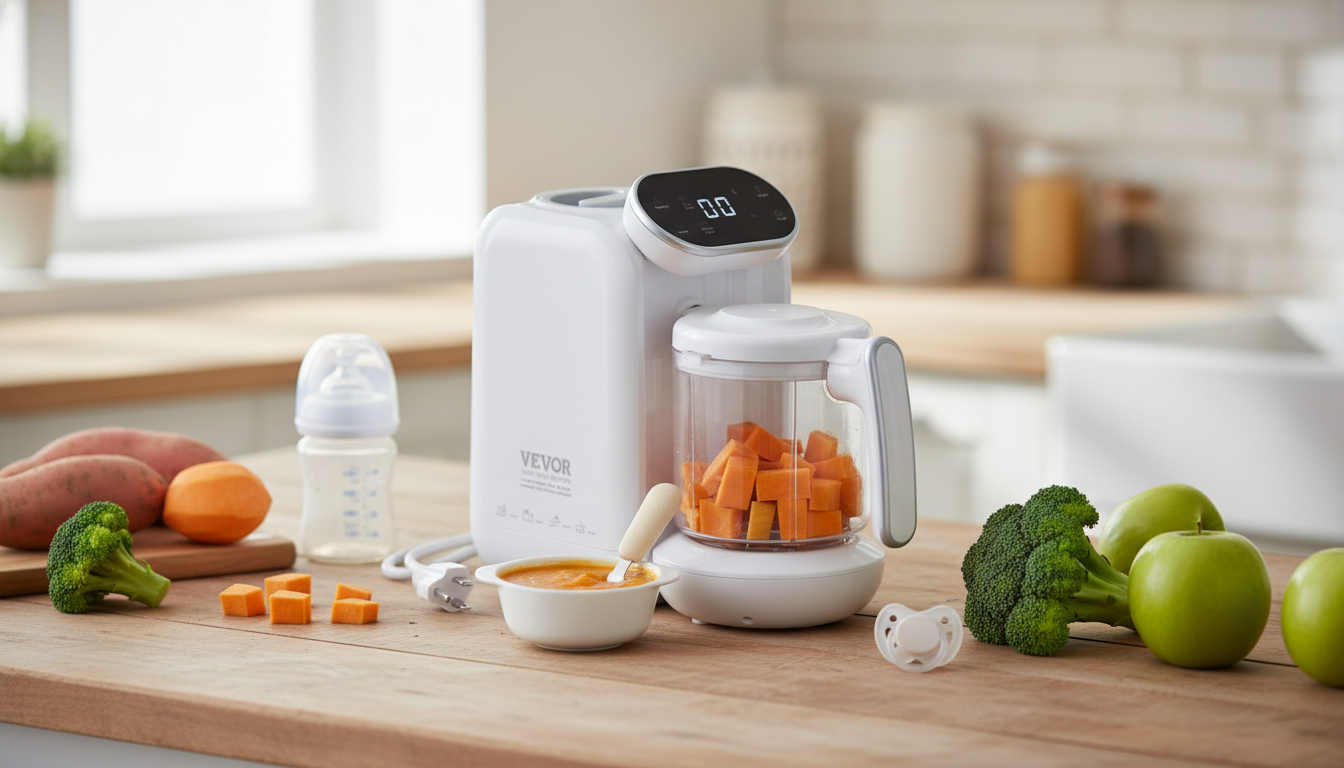
5-in-1 Baby Food Maker: Steam, Blend, Sterilize, and Store in a 750ml Tritan Bowl
Homemade baby food can be simpler when steaming, blending, and sterilizing happen in one compact setup. This 5-in-1 baby food maker combines everyday prep steps into a single workflow, with a 750ml Tritan bowl designed for frequent use, quick cleaning, and portion-friendly batches as babies move from purees to thicker textures. For more guidance, see [PDF] Methods in Anopheles Research – CariVecNet.
What the 5-in-1 functions cover
An all-in-one baby food maker is built for repeatable, week-to-week routines—especially when meal prep needs to happen quickly between naps, daycare drop-offs, and dinner for everyone else. For further reading, see [PDF] SDS Library export – Roger Williams University.
- Steaming for softening fruits, vegetables, and proteins while helping retain moisture and texture.
- Blending to adjust consistency from smooth purees to thicker mashes as feeding skills progress.
- Sterilizing small feeding items to simplify routine hygiene (follow item manufacturer guidance).
- Reheating/warming for serving-ready portions without extra cookware.
- Time-saving batch prep: make multiple servings in one go and refrigerate or freeze portions.
For age-appropriate feeding milestones and safety reminders, consult pediatric guidance such as HealthyChildren.org (American Academy of Pediatrics) on starting solids.
Why a 750ml Tritan bowl can be practical day to day
The bowl size and material matter more than they seem: they affect how often the appliance gets used, how easy it is to portion meals, and whether cleanup feels manageable.
- 750ml capacity supports small batches without requiring a full-size food processor.
- Tritan construction is lightweight and durable for frequent assembly, washing, and storage.
- Clear bowl helps monitor texture while blending and avoid over-processing.
- Convenient for single-ingredient “first foods” and later mixed meals (vegetable + protein + grain).
- Useful for families balancing daily fresh servings with freezer-friendly meal cubes.
How much food a 750ml bowl typically supports
| Meal type | Typical batch goal | Texture target |
|---|---|---|
| Single-ingredient puree (carrot, pear, peas) | Several small servings | Very smooth |
| Two-ingredient blend (apple + oats, sweet potato + turkey) | A few meals for the next 1–2 days | Smooth to slightly thick |
| Chunkier stage (soft veg + pasta, lentils + veg) | Small family-style batch | Mash with small soft pieces |
A simple workflow: from raw ingredients to ready-to-serve portions
A consistent process makes results more predictable—especially when switching from very smooth purees to thicker textures.
- Prep: wash produce, peel when appropriate, and cut into evenly sized pieces for consistent steaming.
- Steam: cook until pieces are easily pierced with a fork; avoid undercooking firmer foods like carrots.
- Blend: start short pulses; add small amounts of cooking liquid or safe liquids if thinner texture is needed.
- Cool and portion: cool promptly, portion into small containers, and label with dates.
- Serve: reheat only what is needed and discard leftovers from a served portion (avoid re-cooling used food).
For food-handling basics that help reduce risk for young children, see the FDA’s food safety guidance for young children.
Sterilizing: where it helps and what to watch for
Sterilizing can be a helpful add-on when you’re already running a steam cycle, but it works best when paired with everyday cleaning and correct item selection.
- Helpful for pacifiers, bottle parts, and small feeding accessories that are rated for heat sterilization.
- Follow each item’s care instructions; some pieces may be dishwasher-safe rather than heat-sterilizable.
- Sterilizing supports cleanliness but does not replace safe food handling practices.
- Let items dry fully before storing to reduce moisture buildup.
- Keep blades and electrical components out of immersion unless the manufacturer specifies otherwise.
Textures by stage: moving from puree to thicker foods
Texture is more than preference—it’s part of skill-building. Many families find it easiest to “level up” gradually so the baby has time to adapt.
- Early purees: smooth texture, minimal added liquid, and single ingredients to observe tolerance.
- Intermediate blends: thicker mixes with soft grains (oatmeal) or yogurt (serve cold) as advised by pediatric guidance.
- Advanced textures: soft lumps and mash-like meals to support chewing skills and self-feeding practice.
- Avoid added salt and limit added sugars; use herbs/spices lightly if appropriate for the family.
- Always supervise meals and adapt textures to the child’s developmental readiness.
Cleaning and maintenance habits that keep performance consistent
When this all-in-one setup tends to be a good fit
Product options in stock
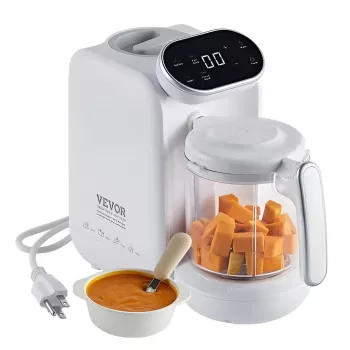
- 5-in-1 Baby Food Maker with Steamer, Blender & Sterilizer – 750ml Tritan Bowl — Designed to streamline steaming and blending in one bowl, with an added sterilizing function for routine hygiene support. Suitable for small-batch prep and portioning as babies transition through different textures.
- Ergonomic Mesh Office Chair with Lumbar Support, Adjustable Headrest & 2D Arms — A supportive option for caregivers who spend long stretches seated during bottle feeds, spoon feeds, or pumping sessions.
FAQ
What can be sterilized in a baby food maker with a sterilizer function?
Typically, heat-rated items like certain bottle parts, pacifiers, and small feeding accessories can be sterilized, as long as the accessory manufacturer says the item is safe for heat/steam sterilization. Keep electrical parts dry and follow the care instructions for each accessory.
Is a 750ml bowl large enough for batch cooking baby food?
For many families, 750ml is enough for several small servings at once, making it practical for a couple days of meals or a set of freezer portions. The final yield depends on the ingredients (water content) and how thick you blend the food.
How long can homemade baby food be stored after steaming and blending?
Storage time depends on temperature and handling: refrigerate promptly for short-term use and freeze for longer storage, following current food-safety recommendations from authoritative sources. Cool quickly, label containers with dates, and discard leftovers from any served portion instead of re-cooling it.









Leave a comment