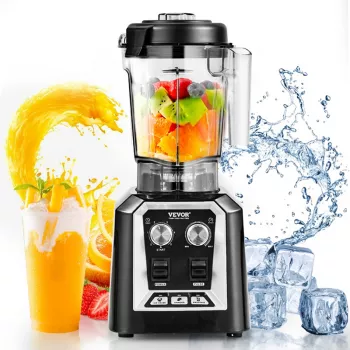
2L Pro Smoothie Blender: Stainless Blades & Big Batches

2L Professional Smoothie Blender with Stainless Steel Blades: Power, Capacity, and Everyday Use
A high-capacity blender can simplify meal prep, speed up smoothie routines, and handle tougher ingredients like ice and fibrous greens. This guide breaks down what matters most in a 2L professional-style blender—blade material, jar size, controls, cleaning, and practical recipe uses—so it’s easier to decide if it fits a kitchen’s daily workflow.
What Makes a Blender Feel “Professional” at Home
A “professional” feel usually comes down to daily convenience and repeatable results rather than one single feature. A large jar can reduce batch-to-batch refills for smoothies, soups, and sauces, while stainless steel blades are built to resist corrosion and hold an edge when you routinely blend acidic fruits or crush ice. A stable base and secure lid matter just as much: fewer splashes, less movement on the counter, and more confidence at higher speeds.
Controls also play a role. Simple speed levels plus a pulse function make it easier to repeat the texture you want—silky smoothies, chunky salsa, or a slushy frozen drink—without guessing. Finally, consistency depends on more than motor strength. Jar shape, blade geometry, and ingredient order (liquids first, frozen items last) often determine whether blends circulate smoothly or stall.
Quick Specs Snapshot
A 2L jar capacity suits family portions and batch prep. Stainless steel blades are suited for ice, frozen fruit, and thick mixtures, making this style of blender a strong all-around option for smoothies, protein shakes, sauces, dips, and blended soups—especially in kitchens that prefer fewer appliances that can handle multiple texture tasks.
| Item | Details |
|---|---|
| Product | 2L Professional Smoothie Blender with Stainless Steel Blades |
| Capacity | 2 liters |
| Blade material | Stainless steel |
| Primary uses | Smoothies, frozen drinks, sauces, soups, purees |
| Availability | In stock |
Blade Material and Performance: Why Stainless Steel Matters
Stainless steel blades are a practical choice for everyday blending because they’re designed to resist corrosion—helpful when recipes include citrus, pineapple, tomatoes, or berry-heavy mixes. Edge retention matters too: harder ingredients like ice cubes and frozen fruit put more stress on the blade edge, and stainless steel is commonly used to maintain performance over repeated use.
For smoother results, technique makes a noticeable difference. Start with liquids to help the blades catch and create circulation, then add soft items (yogurt, banana, fresh greens), and place frozen or hard ingredients last. If the mixture is thick, use short pulse bursts to build an initial vortex, then switch to continuous blending once ingredients start moving consistently.
2L Capacity: Who It’s For and How to Use It Well
A 2L blender jar is ideal for multiple servings—often enough for breakfast smoothies for two to four people depending on portion size and add-ins. It also supports meal prep: blend a larger “base” (greens + fruit + liquid) and portion it into containers for quick grab-and-go servings. For storage guidance on prepared foods and leftovers, the USDA FoodKeeper App is a reliable reference.
Capacity can also be a downside if it’s used incorrectly. Avoid overfilling, especially with frozen ingredients, since circulation needs headroom. If you blend hot liquids like soups, it’s safer to work in smaller batches and vent the lid as recommended by the manufacturer to reduce pressure buildup; steam expansion can force liquids upward quickly. General safe handling practices are outlined by the FDA.
For thick blends (nut butters, very dense smoothie bowls), pause occasionally to scrape the sides if needed and avoid overheating the mixture with long continuous runs. Short cycles with brief rests can protect texture and help the blender maintain consistent performance.
Everyday Use Cases and Texture Targets
Smoothies (no-grit finish)
For a smooth, “no-grit” texture, blend long enough and include sufficient liquid so ingredients keep moving. If leafy greens are involved, blend the liquid + greens first for a few seconds before adding frozen fruit to reduce specks.
Frozen drinks (slush consistency)
Pulse is your friend: break ice into smaller pieces first, then blend to a slushy texture. This approach reduces the chance of a stalled blade and makes the drink more evenly chilled.
Soups (silky finish)
Blend cooked vegetables with broth, then finish with a short high-speed run to smooth out the last bits. Work in batches for hot mixtures and allow a little cooling time before blending to reduce steam pressure.
Sauces and dips (chunky to creamy)
Oat flour and crumbs (short bursts)
Cleaning, Care, and Longevity
Safety and Practical Tips for Better Results
Featured Product: 2L Professional Smoothie Blender with Stainless Steel Blades
The 2L Professional Smoothie Blender with Stainless Steel Blades is built for larger batches with a 2L jar and stainless blades that support frozen fruit, ice, and thicker smoothie blends. It’s a practical pick for daily smoothie routines, meal-prep sauces, and blended soups when one blender needs to cover multiple kitchen tasks.
Other In-Stock Picks
- Ergonomic Mesh Office Chair with Lumbar Support, Adjustable Headrest & 2D Arms
- Wooden Multiplication Board for Kids
- Ultra HD 4K WiFi Body Camera with Night Vision & Motion Detection
FAQ
Can stainless steel blades crush ice and frozen fruit effectively?
Yes—stainless steel blades are well-suited for harder ingredients like ice and frozen fruit. For the most consistent circulation, use enough liquid, start with pulse bursts, and avoid overfilling the jar.
Is a 2L blender too large for single servings?
It can still work for single servings, but results depend on having enough volume (especially liquid) for the blades to pull ingredients into circulation. If you prefer smaller portions, consider doubling a recipe and storing extra servings for later.
What’s the easiest way to clean a smoothie blender right after use?
Rinse right away, then add warm water and a drop of dish soap and run the blender briefly before rinsing again. Let components air-dry to help prevent odors and residue buildup.








Leave a comment