9000Pa Handheld Vacuum + Air Duster for Fast Cleanups

9000Pa Wireless Handheld Vacuum & Air Duster: Small Tool, Big Difference in Daily Cleanups
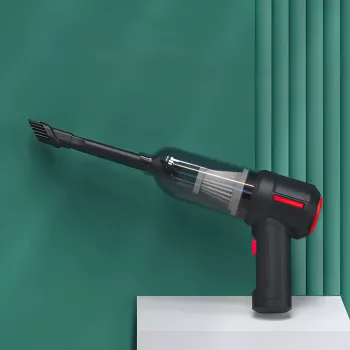
Mess shows up where full-size vacuums don’t—between car seats, inside console gaps, along window tracks, and around desk gear that collects dust all week. The 9000Pa Wireless Handheld Vacuum & Air Duster – Portable Wet/Dry Cleaner is built for those moments: compact, cordless, and quick to deploy. It pairs handheld suction with an air-duster mode that helps push debris out of tight spaces before you vacuum it up, and it supports both dry dust and small wet messes when you need fast spot cleanup.
For everyday maintenance, a tool like this can help reduce buildup in high-touch, high-use areas. The EPA’s guidance on indoor air quality also highlights how controlling dust and particulates supports a cleaner indoor environment—especially in spaces where people work, eat, and relax.
What It’s Built to Handle Day to Day
- Dry debris: crumbs, lint, pet hair, and fine dust on keyboards, vents, drawers, and shelves
- Spot wet cleanup: small spills and damp messes that need a fast pickup
- Tight-space detailing: seams in car seats, cup holders, console gaps, and window tracks
- Air-duster tasks: blowing dust out of ports, grilles, and corners before vacuuming
- Quick refreshes: keeping high-use areas under control between deep cleans
It’s a practical option for the “right now” mess: the snack crumbs after a commute, the grit by the entry mat, or the dust line around a monitor stand.
Key Features That Matter
- 9000Pa-class suction: handheld cleaning power for places a full-size vacuum can’t easily reach
- Wireless design: grab-and-go use in cars, offices, dorm rooms, and small apartments
- Dual-function approach: vacuum to remove debris, air duster to dislodge trapped dust first
- Wet/dry capability: versatile spot cleanup (best for small messes rather than large liquid pickups)
- Portable form factor: fits easily in a trunk bin, closet shelf, or desk cabinet
For shared spaces, a quick routine matters. The CDC’s general recommendations for cleaning and disinfecting emphasize consistent cleaning practices; having a compact tool nearby makes it easier to stay on top of visible dirt and dust day to day.
Vacuum vs. Air Duster: When to Use Each Mode
Most handheld vacuums do one thing: pull debris in. This one adds an air-duster mode, which changes how you approach tight gaps and delicate nooks.
- Use air duster first for vents, keyboards, and crevices to push debris outward where suction can reach.
- Use vacuum mode for direct pickup from flat surfaces, upholstery, mats, and corners.
- For car detailing: blow out console seams and seat rails, then vacuum the loosened debris.
- For electronics: keep airflow brief and controlled; avoid forcing debris deeper into ports.
- For wet messes: blot or remove excess liquid first, then use wet pickup for the remainder.
Best Mode by Cleaning Scenario
| Scenario | Recommended Mode | Why It Works | Quick Tip |
|---|---|---|---|
| Keyboard and laptop vents | Air duster → Vacuum | Loosens dust in tight gaps before pickup | Hold at an angle to avoid pushing dust deeper |
| Car seat seams and rails | Air duster → Vacuum | Dislodges embedded crumbs and grit | Work in short bursts, then vacuum immediately |
| Cup holders and consoles | Vacuum | Direct pickup of loose debris | Use small, controlled passes around edges |
| Small drink spill on a mat | Wet pickup | Collects remaining liquid after blotting | Blot first; don’t soak electronics or fabric |
| Shelves and baseboards | Vacuum | Fast pickup without scattering dust | Start at edges and corners, then sweep inward |
Where It Fits Best: Home, Car, Office, and Travel
- Car: quick cleanups after snacks, beach trips, pet rides, and daily commuting
- Office/desk: crumbs, eraser dust, paper bits, and monitor/keyboard dust control
- Entryway: sand and grit tracked in from shoes; quick cleanup around mats
- Small living spaces: dorms, RVs, and apartments where storage is limited
- Travel kit: useful for rented cars, hotel rooms, and quick tidy-ups between stops
A simple habit is to keep it where mess happens: in a trunk organizer, a desk cabinet, or a closet shelf near the entry. When the tool is within reach, quick cleaning stops feeling like a “project.”
Charging, Runtime, and Practical Use Tips
- Charge fully before first use to get the most consistent performance.
- Use short, focused passes rather than long continuous runs for efficient cleanup.
- For upholstery and fabric: lift and reposition frequently to avoid re-depositing debris.
- For fine dust: try a two-step approach—air duster to loosen, vacuum to remove.
- Empty the collection area promptly so suction stays strong and airflow remains smooth.
Wet/Dry Cleanup: Simple Safety Rules
Care and Maintenance for Long-Term Performance
Good Add-Ons for a Cleaner Setup
- Comfortable seating for desk spaces: Pair quick desk cleanups with a supportive chair like the Ergonomic Mesh Office Chair with Lumbar Support, Adjustable Headrest & 2D Arms for a more functional workspace.
- Travel or vehicle documentation: If you build a travel kit for road trips or rideshare work, the Ultra HD 4K WiFi Body Camera with Night Vision & Motion Detection can be useful for recording trips or safety checks alongside your detailing essentials.
- The core tool for quick cleanups: Keep the 9000Pa Wireless Handheld Vacuum & Air Duster – Portable Wet/Dry Cleaner in a dedicated bin so it’s always ready when crumbs, grit, or dust show up.
FAQ
Can it clean both wet spills and dry dust?
Yes—it’s suitable for small, controlled spot cleanups. Blot excess liquid first, then use wet pickup for the remainder; switch to vacuum mode for dry debris and dust.
Is the air-duster mode safe for keyboards and vents?
Generally yes for light dusting when used in short bursts and at an angle. Avoid pushing debris deeper into ports and keep airflow away from any moisture.
How can suction stay strong over time?
Empty the bin promptly, clear clogs, keep air pathways unobstructed, and fully dry components after any wet use.









Leave a comment