Which Etiquette Micro-Course Fits You: Teens to Parents

Who is a modern etiquette micro-course best for (teens, college students, professionals, or parents)?
A modern etiquette micro-course can help all four groups, but it’s “best for” the one facing the most frequent, high-stakes moments where tone and timing matter. Today’s etiquette isn’t about stiff rules—it’s about clear, considerate communication across texts, emails, social media, and everyday interactions. If your daily life includes fast messaging, group plans, online comments, or introductions, a short, practical course can pay off quickly.
Best for teens
Teens benefit when they’re navigating first jobs, group chats, friendships, and social media—often without a roadmap for what reads as respectful. A micro-course helps them learn how to set boundaries, avoid accidental rudeness (like leaving people on read in certain situations), and handle conflict without escalating it online.
Best for college students
College life comes with new independence and a constant mix of classmates, roommates, professors, and employers. This group gets the most value from learning RSVP habits, polite follow-ups, email basics, and how to show reliability in group projects and networking situations.
Best for professionals
Professionals often see the fastest return because etiquette affects reputation, promotions, and client trust. If your job involves meetings, email threads, Slack or Teams messages, or public-facing social media, a micro-course can sharpen tone, responsiveness, and digital professionalism—without feeling outdated.
Best for parents
Parents benefit when they want consistent family expectations and less daily friction—especially around phones, manners at gatherings, and online behavior. A micro-course can also give parents language to coach kids on respect without turning every reminder into a lecture.
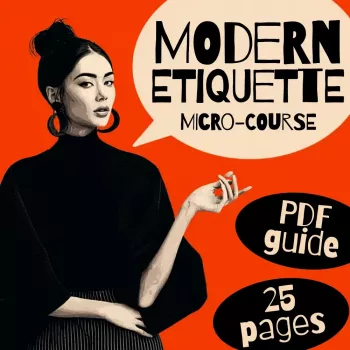
For a practical guide covering texting, RSVPs, social media, and everyday politeness, see this modern etiquette overview.
FAQ
What are a few modern etiquette rules that make the biggest difference fast?
Respond to invitations clearly (yes/no/maybe plus timing), match the urgency of the message to the channel, and keep online comments kinder than you think you need to. When in doubt, be brief, direct, and considerate with follow-ups.










Leave a comment