Best Volume for Under-Pillow Speakers (No Partner Wakeups)
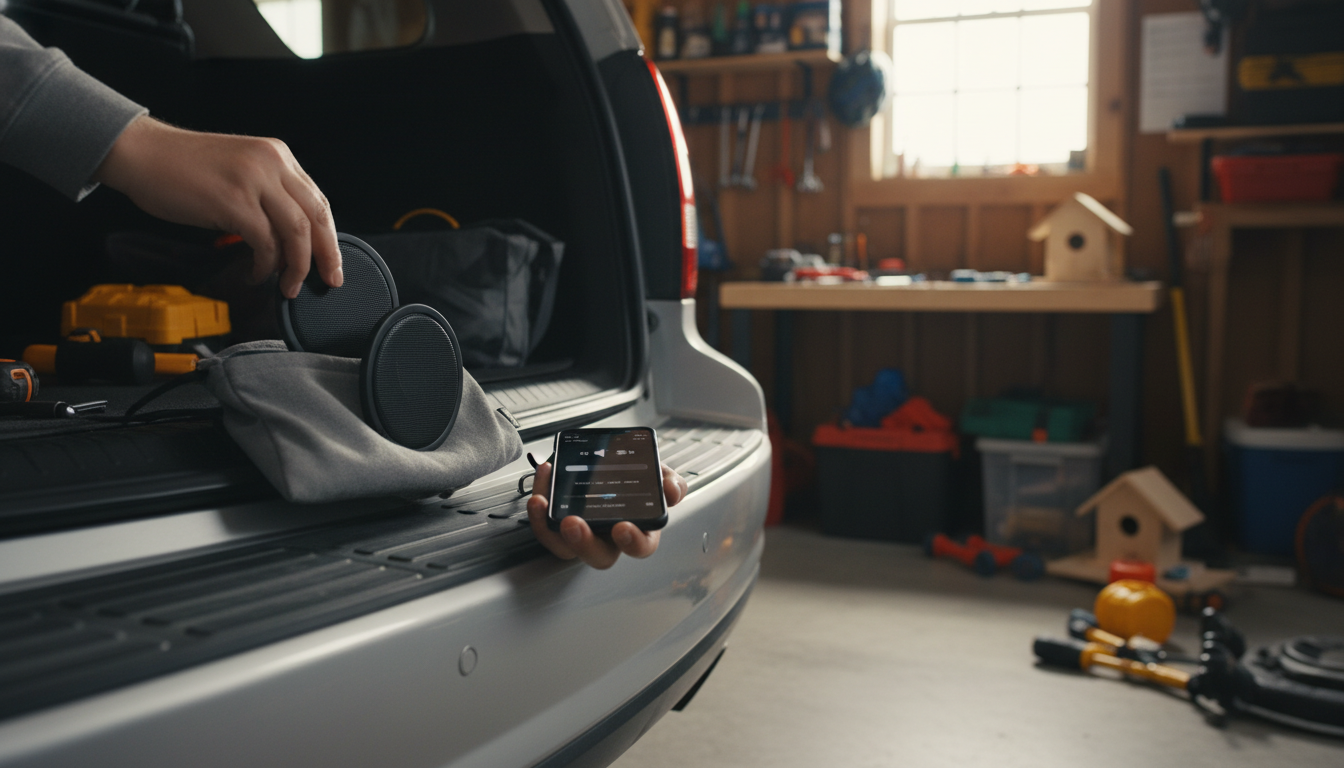
How loud should you set an under pillow speaker for comfortable sleep without disturbing a partner?
Answer
Set an under pillow speaker as low as you can while still hearing it clearly—typically around a quiet whisper level. A practical target is roughly 30–40 dB at your ear (about the volume of a calm room), then fine-tune downward once you’re relaxed. Because the speaker is inches from your head, small volume changes can feel big, and what sounds “soft” through a phone speaker may be surprisingly loud under a pillow.
Start with your device volume near the bottom (around 10–20%), play a steady, non-jarring track (white noise, rain, or a mellow playlist), and increase one step at a time until it just masks minor background sounds without forcing you to “listen.” If your partner can hear distinct lyrics or sharp beats from their side of the bed, it’s too loud—switch to more even audio and drop the volume a notch.
To keep it comfortable and partner-friendly, choose audio with fewer peaks. Sudden loud moments (like ads, song intros, or dynamic podcasts) are what travel through pillows and wake people. If you use music or spoken audio, enable any “volume normalization” setting on your app, and avoid tracks with heavy bass, which can transmit as vibration even when the sound seems low.
Pillow thickness and sleep position matter. Side sleepers often need less volume because the speaker is closer to the ear, while back sleepers may need a touch more. If you’re using a Bluetooth sleep speaker, confirm it sits flat and doesn’t create pressure points—discomfort can make you more sensitive to sound and lead to turning it up unnecessarily.
For more tips on choosing and using quiet sleep audio setups, see the full guide: under pillow Bluetooth sleep speakers and quiet white noise.
FAQ
Is white noise or music better for under pillow speakers?
White noise (or similar steady sounds like rain or fan noise) is usually better for sharing a bed because it has fewer volume spikes and is less likely to be recognizable to a partner. Music can work, but it’s easier for vocals and bass to carry through the pillow and disturb someone nearby.










Leave a comment