What size rectangular pizza stone fits best on a standard grill or
What size rectangular pizza stone fits best on a standard grill or oven rack?
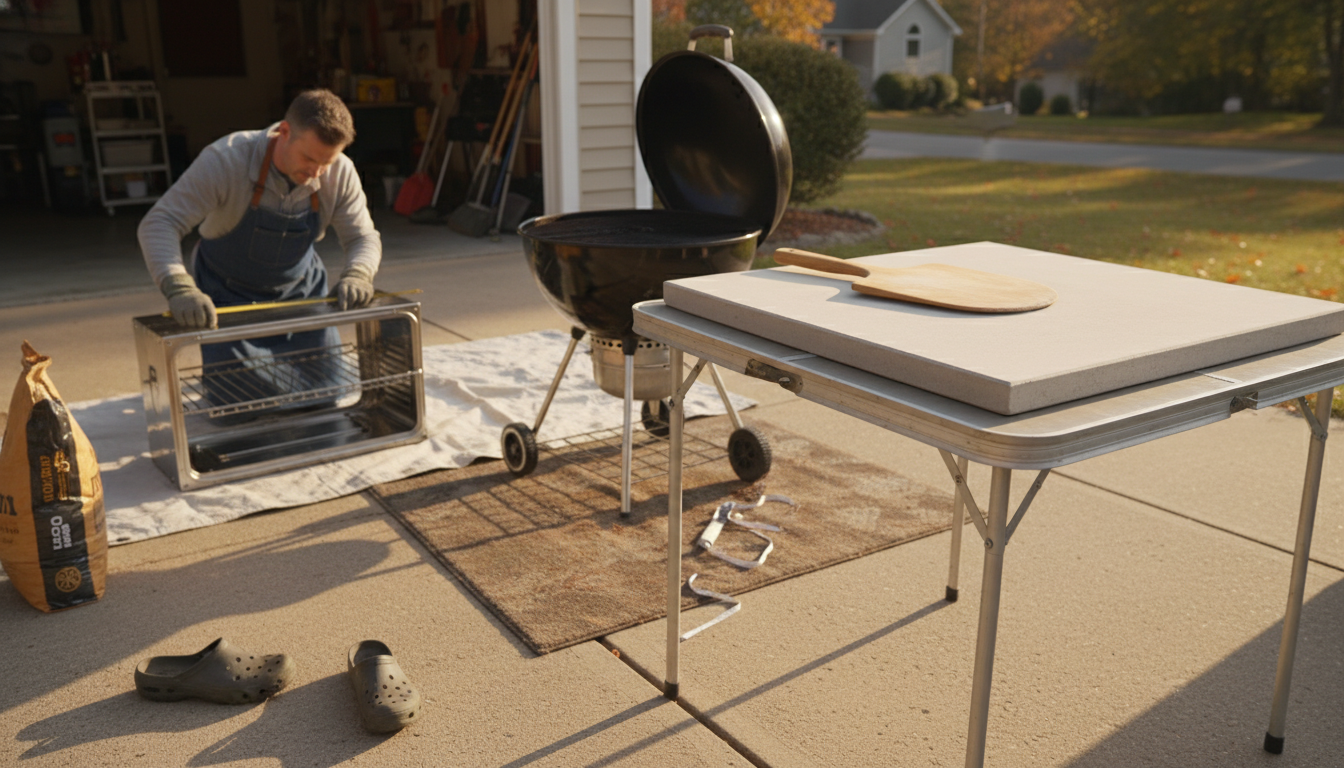
For most standard home ovens and backyard grills, a rectangular pizza stone around 14 x 16 inches is the best all-around fit. That size is large enough to handle a full pizza (or multiple smaller items) while still leaving a little breathing room for airflow and safe handling.
A good rule is to choose a stone that’s 2–3 inches smaller than the usable cooking surface in at least one direction. On an oven rack, that extra space helps heat circulate and makes it easier to slide the stone in and out. On a grill, it also reduces the chance of the stone sitting too close to the firebox edges, which can create hot spots and increase cracking risk.
Quick sizing guidelines
Standard oven (most 30-inch ranges): Many racks can accommodate a 14 x 16-inch stone comfortably. If your oven rack measures closer to 16–17 inches wide inside the rails, a 14–15-inch wide stone typically fits without rubbing.
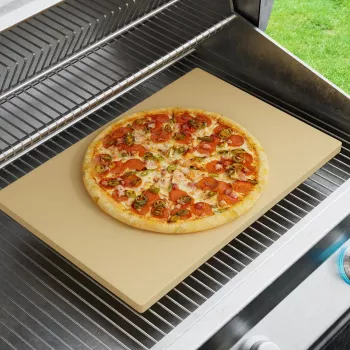
Common gas grills (2–4 burner): A 14 x 16-inch stone fits well on many grates, but always measure the flat area where the stone will sit. If your grill has raised side lips or a warming rack that intrudes, you may need to step down to about 12 x 15 inches.
Don’t forget thickness and handling
Thickness affects performance and weight. A stone around 0.5–0.75 inches thick is a practical balance for most cooks: it stores heat well but isn’t excessively heavy. Also consider how you’ll move it—if you plan to leave it on the rack full-time, a slightly larger stone may be fine; if you’ll remove it often, a size with extra clearance is easier to manage.
For more measuring tips and fit recommendations, see the full guide here: https://anenos.com/what-size-rectangular-pizza-stone-fits-best-on-a-standard-grill-or-oven-rack/.
FAQ
How do I keep a pizza stone from cracking on a grill?
Preheat the stone gradually with the grill, avoid placing a cold stone over high direct flame, and keep the lid closed to stabilize heat. Let the stone cool down naturally after cooking before moving or washing it.










Leave a comment