Sleeping on an Under-Pillow Speaker: Safety Tips
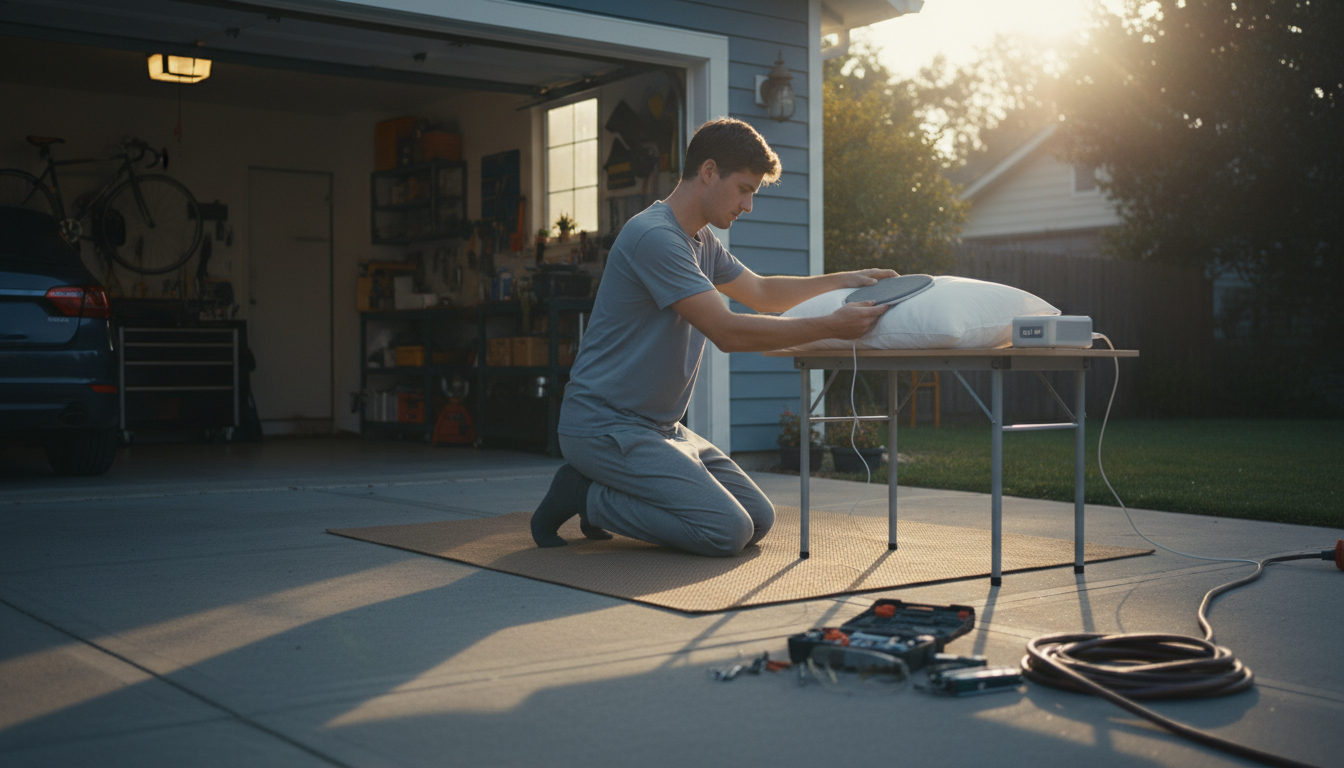
Is it safe to sleep on an under pillow speaker all night?
For most people, sleeping with an under pillow speaker can be safe when it’s designed for overnight use and used responsibly. The biggest risks usually come from volume that’s too loud for too long, physical pressure points from bulky hardware, heat buildup, and cord or battery misuse. Choosing a low-profile, sleep-oriented model and setting a few guardrails can make overnight listening much safer and more comfortable.
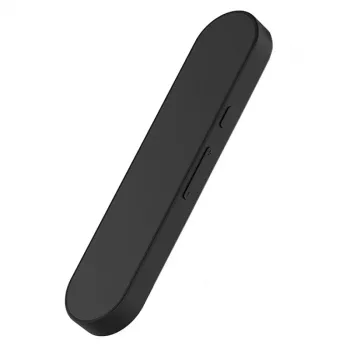
If you’re deciding between different styles (including bone conduction options that transmit sound through vibrations), this guide can help you match the right design to your sleep habits: under pillow bone conduction Bluetooth speaker guide.
What precautions should you take?
Keep volume at a truly low level
Set the volume just high enough to hear clearly in a quiet room. If your phone or speaker offers a volume limit, enable it. If you wake up with ringing, muffled hearing, or headaches, reduce volume and limit duration.
Use a sleep timer or auto-off
Continuous audio all night can encourage higher exposure than you realize. A 30–90 minute timer is a practical default, especially for podcasts, white noise, or guided sleep tracks.
Prioritize comfort and pressure relief
A speaker that’s too thick or has a hard module can create neck strain or sore spots when you roll onto it. Place it under the pillow near the edge rather than directly beneath your ear, and stop using it if you notice persistent tenderness or stiffness.
Manage heat and charging safely
Avoid sleeping with the device charging under the pillow. Use only the manufacturer-recommended charger, keep the speaker dry, and don’t trap it in heavy bedding where heat can build. If it feels warm, power it off and reposition it.
Reduce entanglement and interference
If your model uses a cord, route it away from your neck and consider a shorter cable. For Bluetooth devices, keep your phone on a stable surface nearby rather than in the bed to reduce accidental pressure and overheating risks.
FAQ
Are pillow speakers dangerous
They’re not inherently dangerous, but misuse can create problems like excessive sound exposure, discomfort from pressure points, or unsafe charging practices. Choosing a low-profile speaker, keeping volume low, and avoiding under-pillow charging greatly reduces risk.







Leave a comment