Mesh vs Cushioned Fabric Chair: Better for Long Sitting?
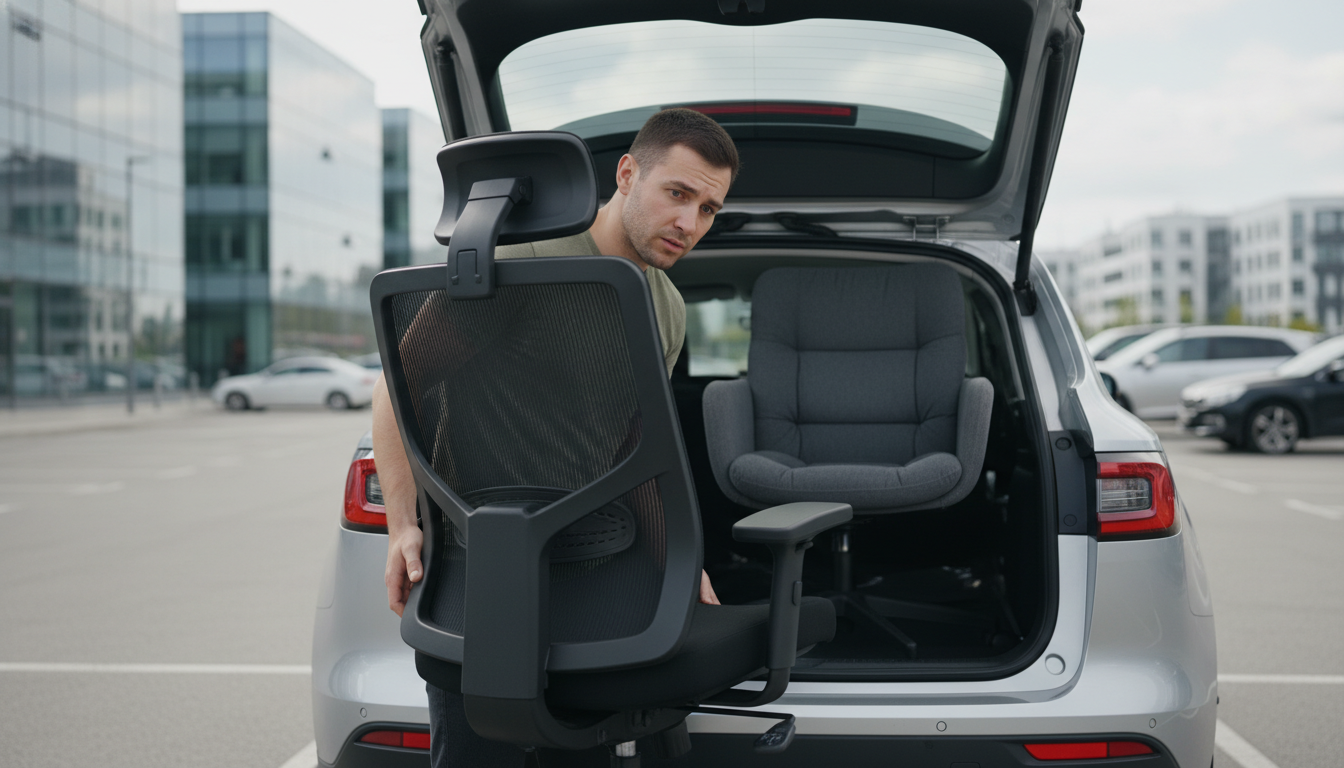
Is a mesh office chair better than a cushioned fabric chair for long hours of sitting?
It depends on what makes long sessions uncomfortable for you: heat buildup, pressure points, or lack of support. In general, a quality mesh office chair often wins for long hours because it stays cooler and maintains a more consistent feel throughout the day. A well-made cushioned fabric chair can still be a great choice, especially for people who prefer a softer seat, but it may require more attention to foam density, seat shape, and long-term compression.
Why mesh can feel better over long sessions
Mesh backs (and sometimes mesh seats) allow airflow, which can reduce sweating and the “stuck to the chair” feeling that shows up after a few hours. Mesh also tends to distribute pressure evenly and resists developing permanent low spots as quickly as some lower-density foams. For many people, that combination translates to fewer fidget breaks and less end-of-day fatigue.
Where cushioned fabric chairs can outperform mesh
Cushioned fabric chairs can be more forgiving on sensitive hips and thighs, particularly if the seat uses high-resilience foam and has a supportive, not overly plush, build. Fabric can also feel warmer and softer against skin, which some users prefer in cool offices. The key is durability: if the cushion compresses, your posture can subtly worsen, increasing pressure on the tailbone and thighs.
What matters more than material
For truly long hours, adjustability and ergonomics usually matter more than whether the chair is mesh or cushioned. Look for solid lumbar support, seat height that lets feet rest flat, enough seat depth to leave a small gap behind the knees, and armrests that support relaxed shoulders. If you want a deeper comparison with buying tips, read the full guide here: https://anenos.com/is-a-mesh-office-chair-better-than-a-cushioned-fabric-chair-for-long-hours-of-sitting/.
FAQ
What should I look for in an ergonomic chair for all-day comfort?
Prioritize adjustable lumbar support, seat height, seat depth, and armrests so you can keep a neutral posture. A supportive seat that doesn’t bottom out and a backrest that encourages upright sitting typically matter more than the upholstery type.







Leave a comment