Handheld Fabric Steamer Heat-Up Time: What to Expect
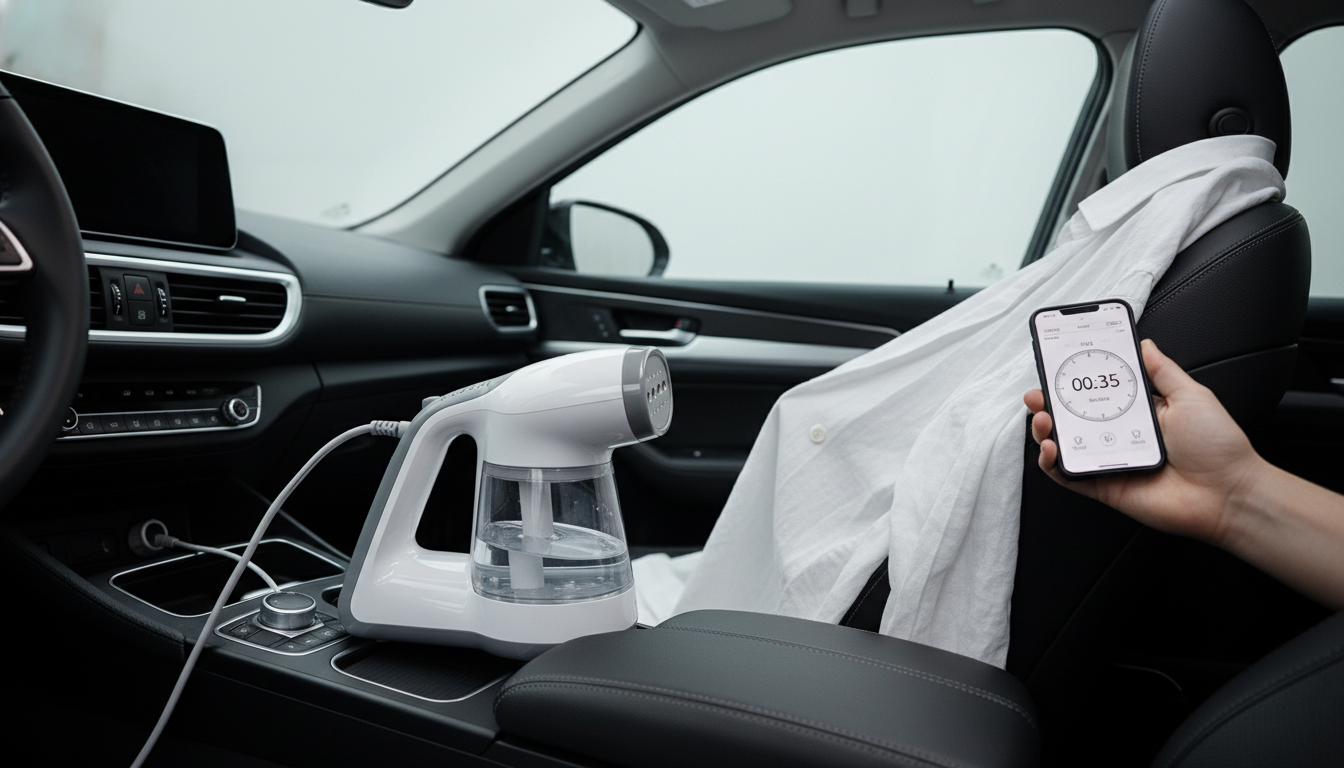
How long does it take a handheld fabric steamer to heat up and start producing steam?
Most handheld fabric steamers begin producing steam in about 30 seconds to 2 minutes. Fast-heat models can be ready in under a minute, while larger, higher-capacity units often take closer to 90 seconds to 2 minutes because there’s more water and metal to warm. If you’re using distilled water at room temperature and filling to the recommended line, you’ll usually get the quickest warm-up time.
What affects heat-up time?
Heat-up speed depends on wattage, boiler design, and how much water is in the tank. A small reservoir with a higher-watt heating element generally reaches steaming temperature faster. Water temperature matters too: cold water straight from the fridge can slow things down, while lukewarm water may shave off a little time (as long as the manufacturer allows it).
When is it actually “ready”?
A steamer is ready when it produces a steady plume of steam—rather than sputtering droplets. In the first few seconds, it’s common to see spitting or bursts of hot water as the system stabilizes. Waiting an extra 10–20 seconds after the first steam appears can help you avoid damp spots on delicate fabrics.
Tips to get steam faster (and more consistently)
Fill only to the max line, keep the unit upright, and make sure the steamer head isn’t blocked by fabric while it’s warming up. If your model has a steam lock or trigger, engage it only after you see consistent output. Mineral buildup can also slow heating and reduce steam volume over time, so regular descaling (per the manual) keeps warm-up performance closer to new.
For a deeper breakdown of typical warm-up ranges by steamer type and what to expect during the first minute of use, see the main guide here: https://anenos.com/how-long-does-it-take-a-handheld-fabric-steamer-to-heat-up-and-start-producing-steam/.
FAQ
Why is my handheld steamer spitting water instead of steam?
This usually happens during warm-up, when condensation hasn’t fully turned to steam yet, or when the steamer is tilted too far. Keep it upright, don’t overfill the tank, and wait for a steady steam flow before moving close to the fabric.








Leave a comment