Coffee on a Warming Plate: When It Starts Tasting Burnt
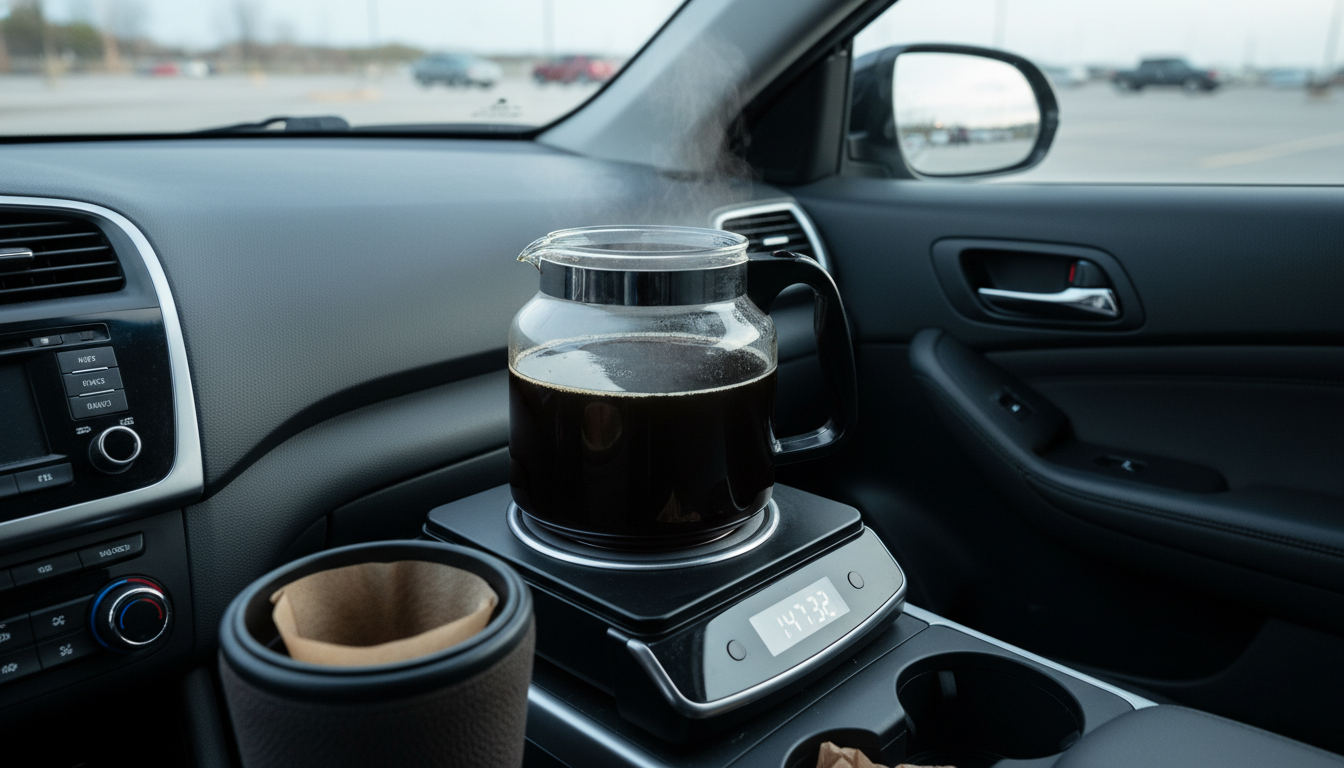
How long can you safely leave coffee on the warming plate with a glass carafe before it tastes burnt?
Answer
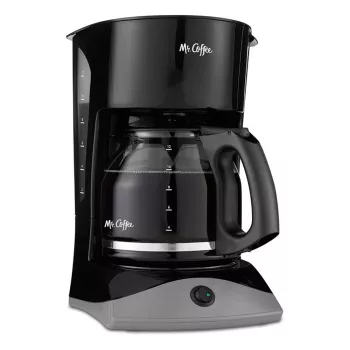
With a glass carafe on a warming plate, coffee usually starts to taste “burnt” or overly bitter after about 20–30 minutes. By around 45–60 minutes, most pots develop a noticeably cooked, stale flavor, especially with darker roasts or if the plate runs hot.
The warming plate keeps brewing temperature-related heat on the bottom of the carafe. That constant heat continues to “cook” the coffee, driving off aromatics and emphasizing harsh, ashy notes. It’s not typically a food-safety issue within a couple of hours if the coffee was brewed hot, but it becomes a flavor issue quickly—glass carafes don’t insulate well, so the plate has to work harder and the coffee is exposed to more direct heat.
For the best taste, treat 30 minutes as a practical limit. If the pot will sit longer, consider transferring coffee to a preheated thermal carafe, turning off the warmer and reheating gently later, or brewing smaller batches more often. If the coffee already tastes scorched, adding cream or sugar may soften the bitterness, but it won’t restore the lost aroma.
For more detail on timing, temperature, and ways to keep flavor fresh, see the main guide here: https://anenos.com/how-long-can-you-safely-leave-coffee-on-the-warming-plate-with-a-glass-carafe-before-it-tastes-burnt/.
For Coffee on a Warming Plate: When It Starts Tasting Burnt, the best answer depends on fit, material, care instructions, and how the product will be used day to day.
Checking those details first helps avoid a poor match and keeps the choice practical after delivery.
For Coffee on a Warming Plate: When It Starts Tasting Burnt, the best answer depends on fit, material, care instructions, and how the product will be used day to day.
FAQ
Is a thermal carafe better than a glass carafe for keeping coffee from tasting bitter?
Yes. A thermal carafe relies on insulation instead of direct heat, so it preserves aroma and reduces “cooked” bitterness; coffee often tastes fresher for 1–2 hours (or more) compared with a warming plate.







Leave a comment