Wooden Play Kitchen Set: Realistic Stove, Oven & Fun
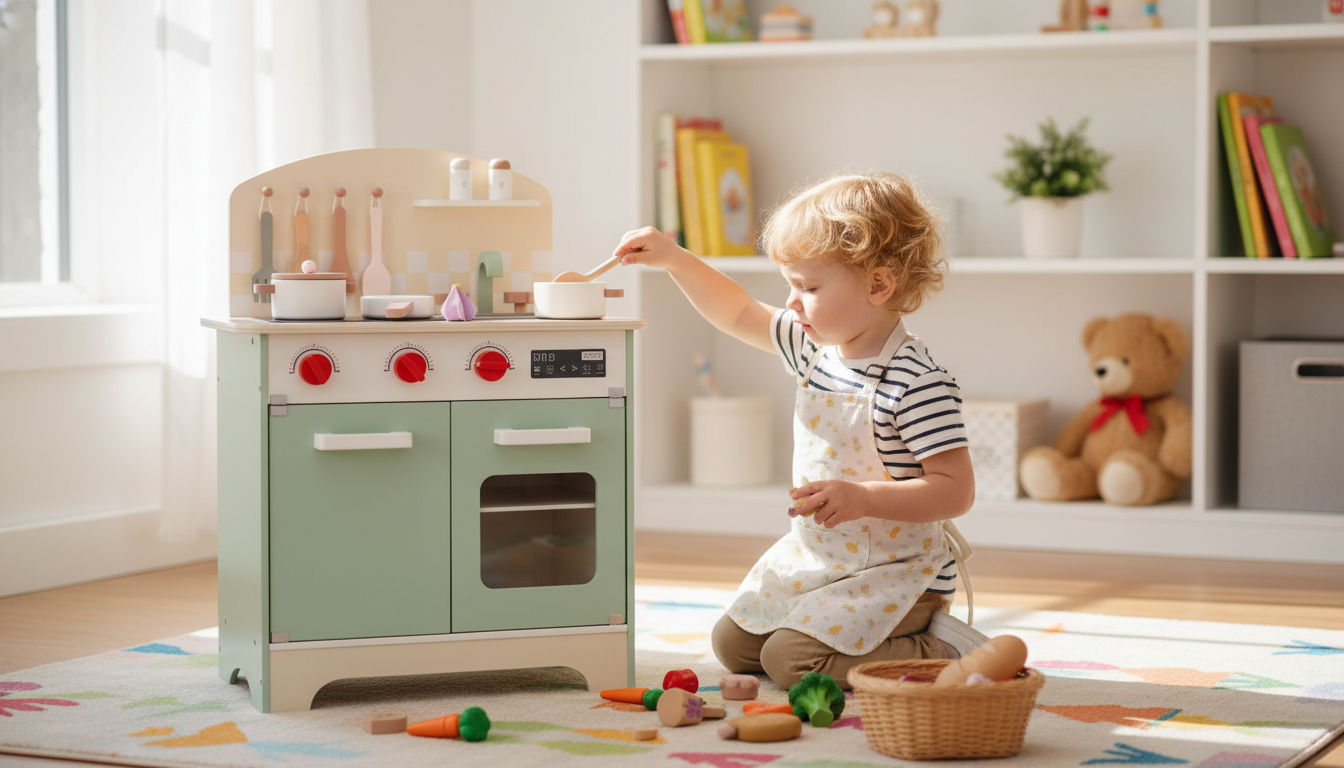
Wooden Play Kitchen Set for Kids – A Realistic Chef Station That Grows With Them
A wooden play kitchen with lifelike features turns everyday make-believe into hands-on learning. With a realistic stove and oven setup plus kid-friendly accessories, children can practice cooking routines, share roles with siblings, and build confidence through repeat play—while parents get a durable, tidy play zone that fits well into a family room or bedroom corner.
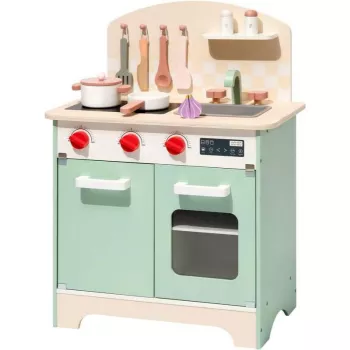
If you’re looking for a screen-free “home base” toy that encourages imagination day after day, the Wooden Play Kitchen Set for Kids – Realistic Chef Pretend Kitchen with Stove, Oven, and Accessories is designed to make pretend cooking feel believable, organized, and easy to return to.
What makes a pretend kitchen feel like a real chef station
The best play kitchens do more than look cute—they support the rhythm of real kitchen life, which is exactly what keeps kids engaged long enough to build skills through repetition.
- Realistic layout: Separate zones for cooking, baking, and prepping help kids imitate the flow they see at home.
- Interactive elements: Turning knobs, opening doors, and moving accessories naturally lengthen play and improve focus.
- Story-ready details: A stove-and-oven combo supports “start to finish” scenes like prepping, cooking, serving, and cleaning up.
- Room-friendly design: Wooden sets often resemble furniture, so they’re easier to keep out in shared spaces without visual clutter.
That “real chef station” feeling matters because it helps kids stay in character—chef, baker, restaurant owner, parent, customer—and practice social language while they play.
Inside the set: stove, oven, and accessories kids actually use
A strong set gives kids just enough structure to start playing immediately, plus enough open-ended flexibility to keep inventing new games.
- Stove play: Supports pretend boiling, frying, and simmering routines with clear “burner” zones.
- Oven play: Encourages sequencing—place an item inside, close the door, wait, then “serve.”
- Accessories: Add variety for roleplay (shopping, prepping, cooking, plating) and help two or more kids play together.
- Open-ended use: The same accessory can be an ingredient, a tool, or a restaurant prop depending on the storyline.
Quick guide to common features and why they matter
| Feature | What to look for | Why it matters for play |
|---|---|---|
| Stove area | Clearly defined burners and easy-to-turn controls | Builds fine-motor practice and makes pretend cooking feel believable |
| Oven door | Smooth open/close action and sturdy hinges | Supports cause-and-effect play and “baking” storylines |
| Accessory variety | Mix of tools/props rather than duplicates | Helps kids create more scenarios (home kitchen, café, cooking show) |
| Cleaning routine | Space for storing accessories | Makes reset faster and encourages responsibility habits |
Why wooden kitchens are a long-play choice
Wooden play kitchens are often chosen for how they hold up to daily use—and how well they blend into the home.
- Stability: Wood construction typically feels more solid during active play (opening doors, turning knobs, moving items around).
- Timeless style: A neutral, furniture-like look can fit multiple rooms and still look appropriate as kids grow.
- Durability for shared play: Wooden sets tend to be better suited for siblings and playdates where many hands use the same features.
- A “home base” toy: Many kids circle back to kitchen play even as other interests rotate, because it supports endless storylines.
For parents, that durability can translate to fewer replacements and a play area that stays inviting rather than chaotic.
Skills kids practice while they cook and serve
Pretend play isn’t just entertainment—it’s a practical way for kids to rehearse real-life skills. The American Academy of Pediatrics highlights the value of play in supporting healthy development (see HealthyChildren.org).
- Language and social skills: Taking orders, naming foods, and negotiating roles (chef, customer, helper).
- Executive function: Planning steps—prep → cook → serve → clean—strengthens sequencing and follow-through.
- Math and early literacy: Counting items, sorting “ingredients,” and recognizing labels or pretend menus.
- Fine-motor development: Gripping utensils, turning controls, and placing items precisely on “burners” or shelves.
To extend the learning theme beyond pretend cooking, pair kitchen play with a hands-on math toy like the Wooden Multiplication Board for Kids for quick, low-pressure practice before or after playtime.
Safety and comfort checks for everyday pretend cooking
Safety starts with smart setup and age-appropriate play habits. For general guidance, review toy safety tips from the Consumer Product Safety Commission (CPSC) and look for products that align with recognized toy safety standards such as ASTM F963.
Easy ways to keep kitchen play fresh
A practical gift: what parents appreciate most
If you want a gift that feels substantial, supports developmental skills, and looks good in a shared space, the Wooden Play Kitchen Set for Kids – Realistic Chef Pretend Kitchen with Stove, Oven, and Accessories checks the boxes for realistic play, repeat use, and everyday family convenience.
FAQ
What age is a wooden play kitchen best for?
Most wooden play kitchens work well for toddlers through early elementary ages, with many families starting around ages 2–3. For younger kids, the key factor is avoiding small accessory parts and keeping play supervised, especially when older siblings are involved.
How do you clean and maintain a wooden play kitchen?
Wipe surfaces with a soft, damp cloth and dry promptly, avoiding harsh chemicals or soaking. Check screws and hinges occasionally to keep doors and knobs working smoothly, and store accessories in the set to prevent loss.
Is a wooden play kitchen good for two kids to play at once?
Yes—separate stove/oven zones and multiple accessories make it easier for two kids to stay involved without competing for the same spot. If play gets crowded, adding a second set of basic utensils and assigning roles (chef/customer/helper) can keep things cooperative.







Leave a comment