Ultra HD 4K WiFi Body Cam: Night Vision + Motion Detect
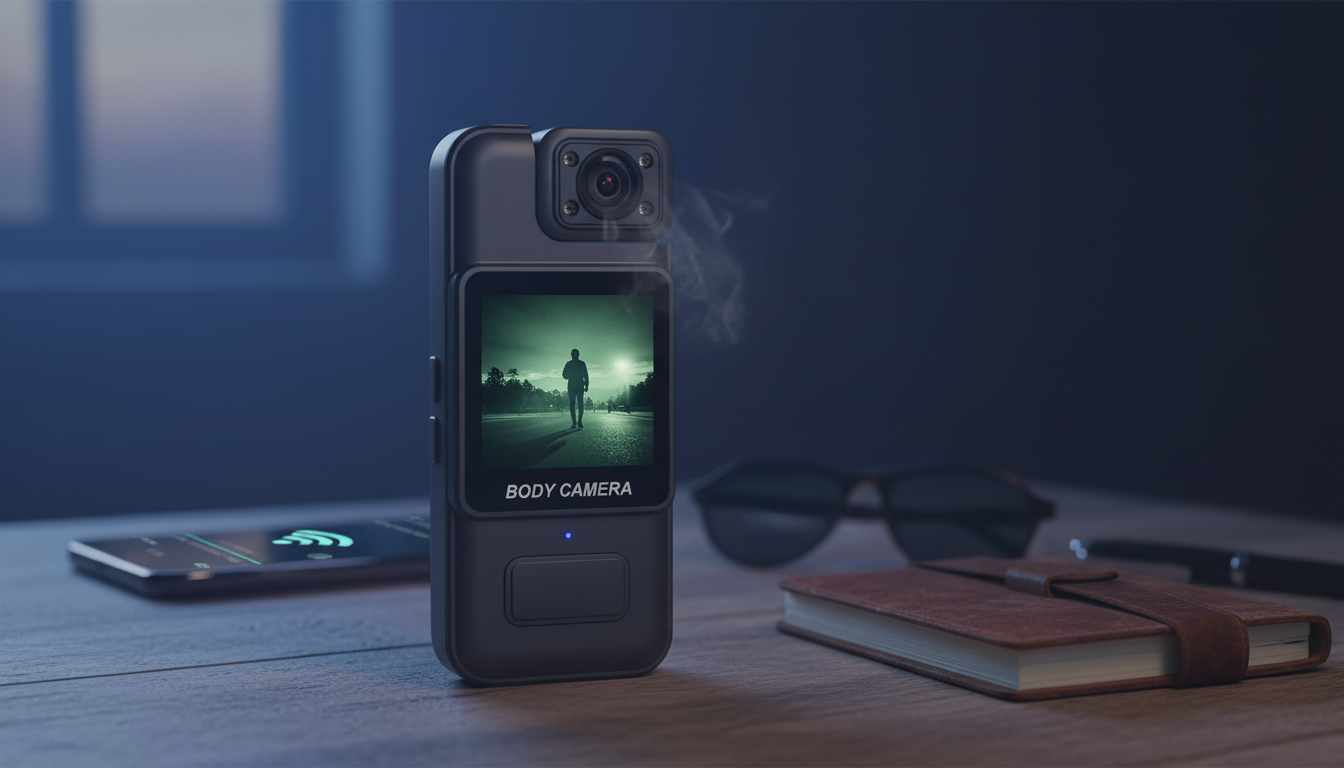
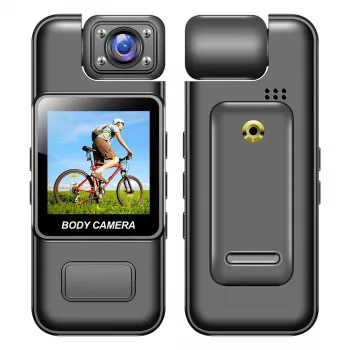
Ultra HD 4K WiFi Body Camera with Night Vision & Motion Detection
A compact body camera can add a clear record of events during deliveries, rideshare shifts, personal safety walks, or workplace incidents. This model pairs Ultra HD 4K recording with WiFi connectivity, night vision support, and motion detection to help capture usable footage in both bright and low-light conditions.
What this body camera is designed to do
A wearable camera works best when it’s simple to deploy, captures enough detail to be useful later, and fits naturally into daily routines. This 4K WiFi body camera is built around practical priorities for real-world documentation.
- Capture higher-detail video for clearer faces, license plates, and scene context
- Enable quick access to clips via WiFi for reviewing and sharing when appropriate
- Support recording in low light using night vision to improve visibility after dark
- Use motion detection to reduce wasted storage and focus on moments of activity
- Clip to clothing or gear for hands-free recording during movement
Key features at a glance
If the goal is to capture footage that holds up under review, the most important features are resolution, low-light performance, and how fast it is to access files when time matters.
- Ultra HD 4K video capture for sharper detail
- WiFi support for easier file access and device interaction
- Night vision for low-light scenarios
- Motion detection recording to prioritize activity
- Small form factor suited for everyday carry and quick deployment
Feature checklist and why it matters
| Feature | What it helps with | When it matters most |
|---|---|---|
| 4K video | More detail in frames when zooming or reviewing | Incidents at a distance, identifying objects |
| WiFi connectivity | Faster access to files and settings without cables | On-the-go review, quick sharing with authorized parties |
| Night vision | Better visibility when lighting is poor | Night walks, dim hallways, parking areas |
| Motion detection | Captures action while reducing idle footage | Monitoring a doorway, vehicle, or workspace corner |
| Wearable clip design | Hands-free recording and stable placement | Deliveries, security rounds, commuting |
Real-world use cases
Body cameras aren’t only for formal security work. They’re often used as a personal documentation tool—especially when schedules are unpredictable and interactions happen quickly.
- Personal safety: document encounters during walks, commuting, or travel
- Delivery and rideshare: record disputes, pickups, drop-offs, and vehicle checks
- Workplace documentation: keep a record of inspections, site visits, or incidents
- Home and property checks: supplement security coverage in garages, sheds, or entryways
- Training and coaching: review interactions and procedures for improvement
Night recording and motion detection tips
Low-light footage can look dramatically different depending on placement and environment. A few habits can improve clarity and reduce “why didn’t it capture that?” moments.
- Positioning matters: keep the lens unobstructed by clothing folds, jacket zippers, or lanyards.
- Reduce glare: avoid pointing directly at reflective signs, mirrors, or glass when possible (especially in small hallways or car interiors).
- Match the mode to the situation: use motion detection for stationary monitoring; switch to continuous recording for active patrols or moving scenes.
- Run a short test clip: record 10–20 seconds in the intended environment to confirm low-light clarity and framing.
- Keep mount height consistent: chest level often provides the most useful perspective for faces, hands, and nearby objects.
WiFi access, file handling, and privacy basics
WiFi can make a body camera far more convenient, but it also makes good handling practices more important—especially when footage includes people, addresses, or workplace information.
- Treat recordings as sensitive: store and share only when necessary and permitted.
- Use strong credentials where available: choose unique passwords for the device/app and avoid transferring files over public WiFi.
- Organize clips for fast retrieval: a folder structure by date and event type helps when a specific clip must be found quickly.
- Know consent rules: audio recording laws vary by state and situation. A helpful starting point is the National Conference of State Legislatures (NCSL) overview of recording laws.
- Follow privacy and security best practices: protect devices and accounts using guidance like the FTC’s privacy and security recommendations.
Also consider policies at work sites and posted “no recording” areas. Even when filming is allowed in public, certain private spaces and professional settings may prohibit recording.
Who this model fits best
This type of compact 4K body camera is a practical match for people who want clearer footage without carrying bulky gear.
- Anyone needing higher-detail footage in a small, wearable camera
- Users who want quick access to clips without relying solely on wired transfers
- People who frequently operate in low-light environments
- Those who prefer motion-triggered recording for periodic monitoring
- Buyers looking for a budget-friendly option with core safety-focused features
Useful add-ons to pair with a body camera
A few simple additions can make a body camera easier to use consistently and help keep records clean and searchable.
Recommended in-stock options
- Ultra HD 4K WiFi Body Camera with Night Vision & Motion Detection
- Portable USB Voice Recorder & Digital Audio Sound Recorder with 8GB/32GB Storage
FAQ
Does night vision record in complete darkness?
Night vision can improve visibility in low light and may work in very dark settings depending on the camera’s infrared support and the distance to the subject. Testing in the exact environment where it will be used is the best way to confirm results.
How does motion detection recording work on a body camera?
Motion detection starts (or flags) recording when movement is detected in the scene. It’s most effective when the camera is stationary; subtle motion or camera movement can reduce accuracy and may cause missed moments.
Is it legal to record audio and video with a body camera?
Laws and policies vary by state, setting, and workplace, especially for audio recording where one-party vs. two-party consent may apply. Check local rules and posted restrictions, and provide clear disclosure when required.









Leave a comment