12-Cup Coffee Maker: Auto Pause + Glass Carafe Guide
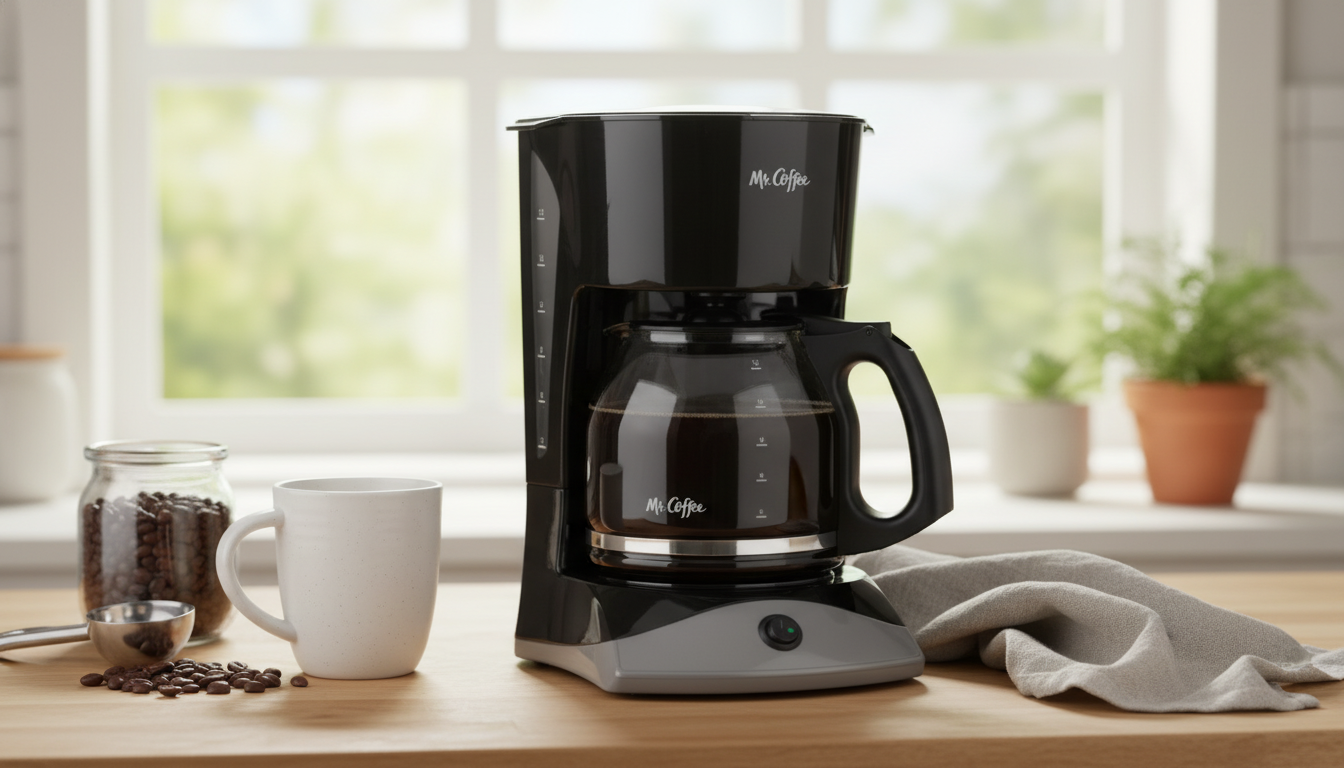
12-Cup Espresso Coffee Maker with Auto Pause and Glass Carafe
A 12-cup machine with an auto-pause feature and a glass carafe is built for busy mornings: start a full pot, pour a cup mid-brew, and serve coffee that stays easy to monitor by sight. This guide breaks down how the auto-pause works, what to expect from the glass carafe, and the practical details that matter for daily use—setup, brewing workflow, cleaning, and care. For more guidance, see The 10 Best 4 Cup Coffee Maker on the Market – [year] Reviews.
What the 12-cup format is best for
The 12-cup format shines when more than one person wants coffee around the same time—or when one person wants more than one cup without running a brewer repeatedly. It’s a straightforward, familiar routine: fill once, brew once, and pour throughout the morning. For further reading, see 6 Best Dual Coffee Maker Reviews – Summersgrove –.
- Designed for households, small offices, and hosting—enough volume to serve multiple mugs without constant refills
- Helps keep routines simple: one brew cycle instead of multiple single-serve runs
- Works well for batch brewing for iced coffee or coffee-based drinks when more volume is needed
Auto pause: how it works and when to use it
Auto pause (often called “pause and serve”) is meant for real life: someone wants the first cup before the full pot finishes. When you remove the carafe, the machine’s stop-valve is designed to reduce or halt dripping from the filter basket so you can pour quickly.
- Auto pause temporarily stops dripping when the carafe is removed, allowing a quick pour mid-brew
- Best used for short pours: return the carafe promptly to avoid overflow in the filter basket
- Helpful when time is tight, but flavor is most consistent when the full brew cycle finishes uninterrupted
- Tip: keep the carafe centered on the warming plate to ensure the valve engages properly when returned
For the cleanest experience, treat auto pause as a “quick cup” feature rather than a long break. If the basket fills while the carafe is out, grounds can seep where they shouldn’t, and that’s when messes (and odd flavors) tend to happen.
Glass carafe benefits and trade-offs
A glass carafe is practical in a day-to-day way: it’s easy to see exactly how much coffee is left and whether it’s time to brew again. It also simplifies cleaning because coffee oils are easier to spot and remove.
- Clear glass makes it easy to see remaining coffee at a glance and judge strength by color
- Glass won’t retain odors the way some plastics can, and it’s straightforward to wash
- Trade-off: glass can lose heat faster than insulated thermal carafes; using a warming plate and serving promptly helps
- Handle care: avoid sudden temperature changes (e.g., rinsing a hot carafe with cold water) to reduce stress on the glass
For best flavor, avoid “cooking” coffee for long stretches. A warming plate is convenient, but the longer the coffee sits at heat, the more it can drift toward bitter or burnt notes.
Coffee style expectations: espresso vs. brewed coffee
Despite the name some listings use, machines in the 12-cup category typically brew drip-style coffee rather than true espresso. Traditional espresso relies on high pressure extraction and produces a concentrated shot with crema; a 12-cup brewer focuses on steady hot-water flow through a bed of grounds.
- Machines in the 12-cup category typically produce brewed coffee rather than true espresso (espresso normally requires high pressure extraction)
- For espresso-like intensity, use a finer grind (not too fine), a slightly higher coffee-to-water ratio, and smaller servings from the pot
- For milk drinks, brewed coffee can be used as a base, but the flavor and texture differ from a crema-topped espresso shot
If stronger cups are the goal, consistency matters more than extremes. Go a bit finer, increase the dose slightly, and keep water quality high. For general brewing guidance and flavor basics, the Specialty Coffee Association (SCA) is a reliable resource.
Everyday brewing workflow
Cleaning and maintenance that protects flavor
Quick spec and feature checklist
| Feature | What it does | Why it matters day to day |
|---|---|---|
| 12-cup capacity | Brews a full pot in one cycle | Cuts down on repeated brewing for families or guests |
| Auto pause | Temporarily stops dripping when carafe is removed | Allows a quick pour without waiting for the full cycle |
| Glass carafe | Clear, easy-to-wash serving vessel | Visible fill level and simpler odor control |
| Warming plate use (typical with glass carafes) | Helps keep coffee warm after brewing | Supports serving over a longer window |
Who this coffee maker matches best
Common issues and simple fixes
Shop related in-stock items
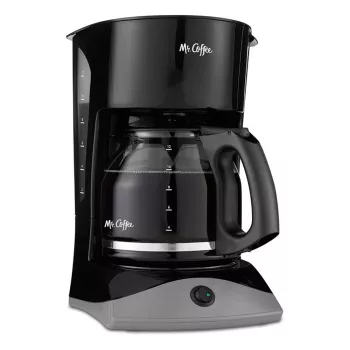
- 12-Cup Espresso Coffee Maker with Auto Pause and Glass Carafe
- Ergonomic Mesh Office Chair with Lumbar Support, Adjustable Headrest & 2D Arms
FAQ
Can a 12-cup espresso coffee maker brew real espresso?
Most 12-cup machines brew drip-style coffee, not true espresso, because espresso typically requires high-pressure extraction. For a stronger, espresso-inspired cup, use a slightly finer grind, increase the coffee-to-water ratio, and pour smaller servings.
How long can coffee stay on the warming plate with a glass carafe?
For best taste, aim to serve within about 30–60 minutes. After that, extended heat can push flavors toward bitter or “burnt,” so it’s better to pour what you need sooner or move coffee to an insulated container.
What should be done if auto pause doesn’t stop dripping?
Check that the carafe is seated correctly and that the valve area isn’t blocked by grounds or residue. Keep mid-brew pours brief, return the carafe promptly, and clean the basket/valve surfaces to reduce dripping and prevent overflow.








Leave a comment