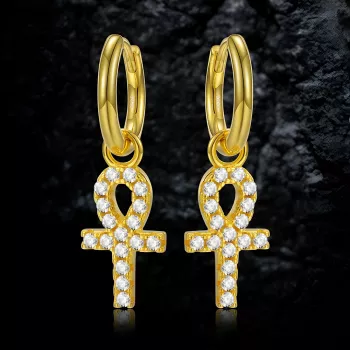
925 Sterling Silver Cross Earrings: Sensitive Ear Safety

Are 925 sterling silver cross earrings safe for sensitive ears?
Often, yes—925 sterling silver cross earrings are generally a safer pick for sensitive ears than many fashion metals because they’re made of 92.5% silver. That said, “safe” depends on the exact alloy blend, how the earrings are finished, and how your ears react to common irritants like nickel or tarnish.
What “925 sterling silver” means for sensitive skin
Sterling silver is mostly pure silver, but it includes a small percentage of other metals for strength. Most quality sterling uses copper, which is typically well tolerated. Issues can arise when a manufacturer uses a mixed alloy that may include trace nickel, or when plated components (like posts, backs, or jump rings) aren’t actually sterling.
Why some people still get irritation
Sensitive ears can react even when the main earring is sterling. Common culprits include: butterfly backs made from a different metal, low-quality solder, or a plated post paired with a sterling charm. Tarnish can also irritate some skin, especially if moisture, sweat, or hair products build up on the jewelry.
How to choose safer sterling silver cross earrings
Look for “925” stamped on the post as well as the charm when possible, and choose reputable sellers that clearly list materials for the post and backing. If your ears are highly reactive, consider sterling pieces with hypoallergenic posts, or opt for styles that specify nickel-free components. Keeping earrings clean and dry, and removing them before swimming or showering, can also reduce irritation.
When to switch materials
If you consistently experience redness, itching, swelling, or a rash, stop wearing the earrings and let your ears heal. Some people do better with implant-grade titanium, niobium, or 14k+ solid gold, especially for long wear.
For a deeper breakdown of materials, reactions, and what to look for when shopping, visit the main guide on sterling cross earrings and sensitive ears.
FAQ
How can I tell if my sterling silver earrings contain nickel?
The most reliable approach is buying from a seller that explicitly states “nickel-free” and lists the post/back materials; a “925” stamp alone doesn’t guarantee zero nickel. If you’re very sensitive, a nickel test kit can help screen questionable pieces.









Leave a comment