Best Slow Cooker Setting: LOW, HIGH, or WARM?

What is the best setting on a slow cooker?
The best setting on a slow cooker is usually LOW for most recipes and day-to-day cooking. LOW provides steady, gentle heat that helps tougher cuts of meat turn tender, keeps sauces from scorching, and gives flavors time to blend. It’s also the most forgiving setting if the cook time runs a little long.
When to use LOW
Choose LOW when you can cook for 6–10 hours (times vary by recipe and cooker). It’s ideal for pot roast, pulled pork, chili, soups, and beans because it reduces the chance of overcooking or drying out food. If you’re leaving the house, LOW is typically the safest choice for a long, unattended cook—just make sure you start with properly chilled ingredients and follow food safety basics.
When HIGH makes sense
HIGH is best when you need dinner faster—generally 3–6 hours. It can work well for chicken thighs, meatballs, or recipes designed for shorter cook times. Even though LOW and HIGH often reach similar final temperatures, HIGH gets there faster, which can mean lean meats dry out sooner and dairy-based sauces can separate if added too early.
What about WARM?
WARM is for holding food at serving temperature, not for cooking from raw. Use it after the meal is fully cooked, especially for buffets or keeping sides hot while you finish the rest of dinner. If your slow cooker has an automatic “keep warm” mode, it can be handy for preventing overcooking once the timer ends.
Helpful rule of thumb
If a recipe gives a LOW time and you need to speed it up, you can often switch to HIGH and cut the time roughly in half—but check for doneness earlier than you think, especially with poultry or lean cuts.
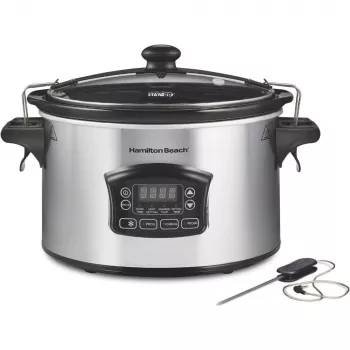
For more practical tips on choosing features and using a programmable cooker (including lid-lock and portability considerations), visit this slow cooker guide.
FAQ
Can you cook frozen meat in a slow cooker?
It’s better to thaw meat first. Frozen meat can spend too long in the temperature “danger zone,” so thaw in the fridge (or use a safe quick-thaw method) before slow cooking.








Leave a comment