Walk-In Tunnel Greenhouse Guide (14.8×6.6×6.6 ft)
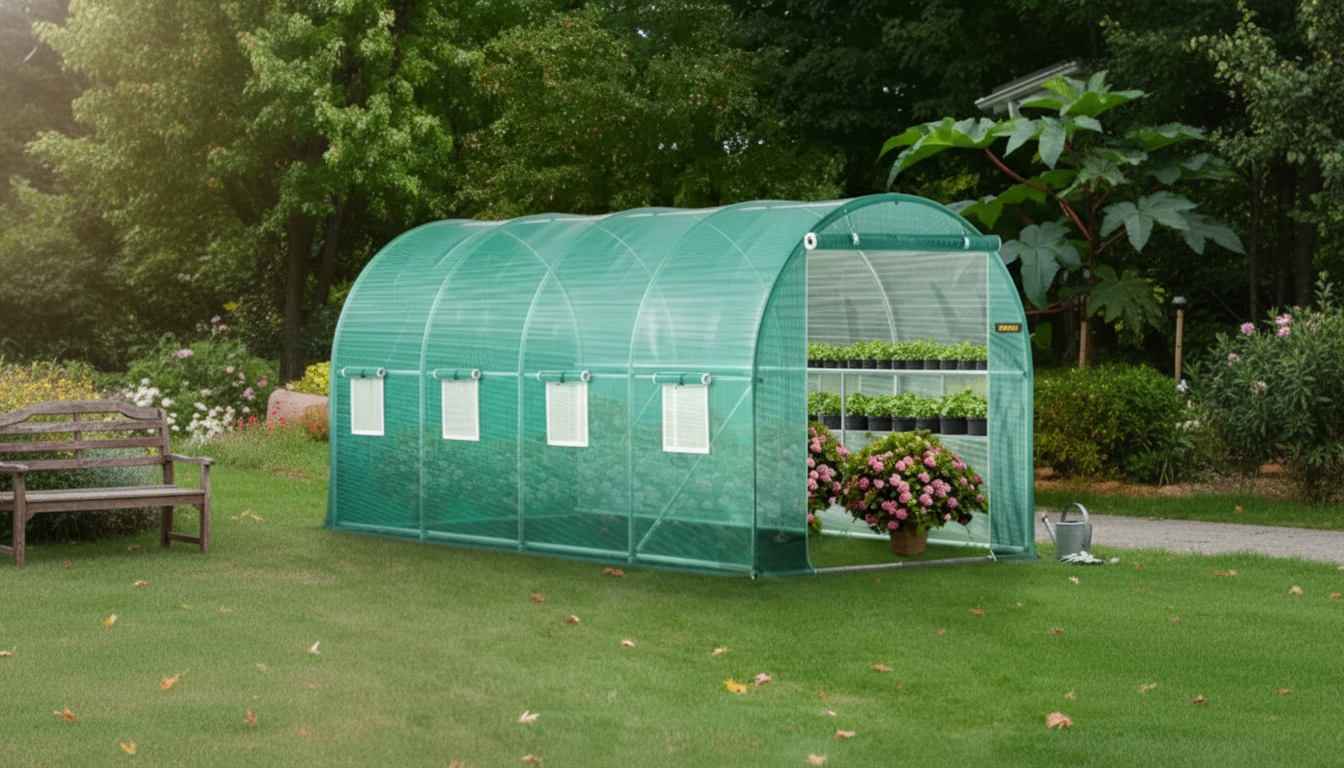
Walk-In Tunnel Greenhouse Coverage and Confidence for Everyday Growing
A walk-in tunnel greenhouse creates a protected growing zone for earlier planting, steadier temperatures, and fewer weather setbacks. This 14.8×6.6×6.6 ft size balances usable interior space with a footprint that fits many backyards and garden plots, while the PE cover and galvanized steel frame are chosen for everyday durability and season-long use. If you want a simple way to shelter seedlings, reduce wind stress, and keep crops moving forward when the forecast turns unpredictable, a tunnel-style structure is a practical upgrade from open beds.
Featured Product
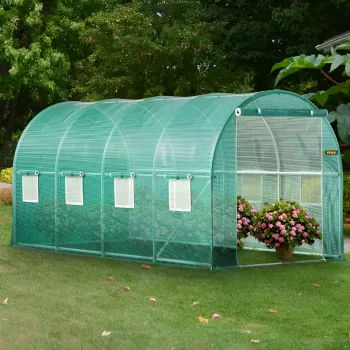
For a ready-to-use option, see the Walk-in Tunnel Greenhouse 14.8×6.6×6.6 ft with PE Cover & Galvanized Steel Frame (in stock).
What This Walk-in Tunnel Greenhouse Is Best For
- Extending the growing season for greens, herbs, seedlings, and warm-season crops
- Shielding plants from wind, light frost, heavy rain, and sudden temperature swings
- Reducing pest pressure compared with open beds (with doors and vents managed properly)
- Creating a dedicated space for seed-starting trays and transplant hardening
- Organizing vertical growing with shelves or hanging supports (as space allows)
Garden tunnels shine when consistency matters: steady warmth for germination, less leaf damage from wind, and fewer “setbacks” that stall growth. They’re also helpful for keeping potting mix, trays, and tools contained in one spot instead of spread across porches and patios.
Size, Layout, and Usable Growing Space
Overall dimensions are 14.8 ft (L) × 6.6 ft (W) × 6.6 ft (H). That’s tall enough to walk in comfortably for most growers, with a long footprint that supports a central aisle and two planting zones, or a single larger bed with a side path. Before placing tables or racks, plan door clearance and turning room for watering cans, hoses, and harvest bins.
Airflow is part of “usable space.” When plants are packed too tightly, humidity rises and leaves stay wet longer, which increases disease pressure. Leaving a clear aisle and a bit of breathing room around foliage can pay off more than squeezing in extra pots.
Quick Size Planning Guide (Example Layouts)
| Layout idea | Best for | Notes |
|---|---|---|
| Center aisle + two side beds | Mixed crops and easy access | Keep foliage off the cover to limit condensation issues |
| One wide bed + side path | Single-crop runs (tomatoes/peppers) | Train plants vertically to keep pathways clear |
| Containers + seedling tables | Propagation and early starts | Add weights/anchors to stabilize tables in windy areas |
Materials: PE Cover and Galvanized Steel Frame
The PE cover helps diffuse light and retain warmth while still allowing strong daylight transmission for most garden crops. Diffused light can be especially helpful for seedlings and leafy greens because it reduces harsh hotspots and encourages more even growth across trays.
The galvanized steel frame improves resistance to corrosion in the humid conditions common inside covered structures. To get the most life from any cover, focus on three basics: maintain good tension (so it doesn’t flap), reduce abrasion where the cover touches the frame, and patch small nicks early. After big temperature swings, re-check tension; slack material moves more in the wind and wears faster.
Ventilation, Temperature Control, and Humidity Management
Even on mild days, a closed tunnel can heat up quickly. Vent early on sunny mornings so temperatures don’t spike above what plants can tolerate, especially during the spring shoulder season when outdoor air still feels cool. A simple min/max thermometer helps track how fast conditions change and whether your vent routine is keeping things stable.
- Vent early on sunny days; enclosed tunnels can heat rapidly even when outdoor temperatures feel mild.
- Aim for steady airflow to limit fungal issues such as damping-off in seedlings and leaf spot in dense plantings.
- Use shade cloth or partial venting during heat waves to prevent blossom drop on fruiting crops.
- Water in the morning when possible so foliage dries faster; avoid saturating the soil late in the day.
- Consider a simple min/max thermometer to track how quickly conditions change inside.
For deeper guidance on venting and heat management, see the University of Minnesota Extension on managing greenhouse temperatures and ventilation.
Placement, Anchoring, and Weather Readiness
Pick a level, well-drained site with convenient access to water. Standing water around the base raises humidity and can weaken anchoring over time. Aim for the sunniest practical spot, while still leaving room to open doors, carry trays, and harvest without stepping into mud.
High tunnels are widely recognized as effective season-extension tools when they’re installed and managed properly; practical overviews are available from the University of Vermont Extension and the USDA NRCS High Tunnel System Initiative.
Setup Tips and Routine Maintenance
What to Grow Through the Seasons (Practical Suggestions)
More In-Stock Picks
- Ergonomic Mesh Office Chair with Lumbar Support, Adjustable Headrest & 2D Arms
- Ultra HD 4K WiFi Body Camera with Night Vision & Motion Detection
FAQ
How many plants can fit in a 14.8×6.6 ft walk-in tunnel greenhouse?
It depends on spacing and whether you keep a central aisle for access and airflow. Large crops like tomatoes or peppers may fit roughly 8–16 plants when spaced for staking and pruning, while leafy greens in rows or containers can run 30–80+ plants if you avoid overcrowding.
How should a tunnel greenhouse be anchored for wind?
Use anchoring that matches your soil: ground anchors or stakes in firm ground, or weighted base methods where staking is limited. Recheck straps and tie points regularly and tighten the cover so it doesn’t flap before storms.
How do you prevent overheating in a PE-covered greenhouse?
Vent early on sunny days, keep cross-breezes moving through doors/vents, and add shade cloth during peak heat to protect flowers and fruit set. Water in the morning and use a min/max thermometer to catch temperature spikes before they stress plants.









Leave a comment