Scale Meal Plan Recipes: 1 Person to Family of 4
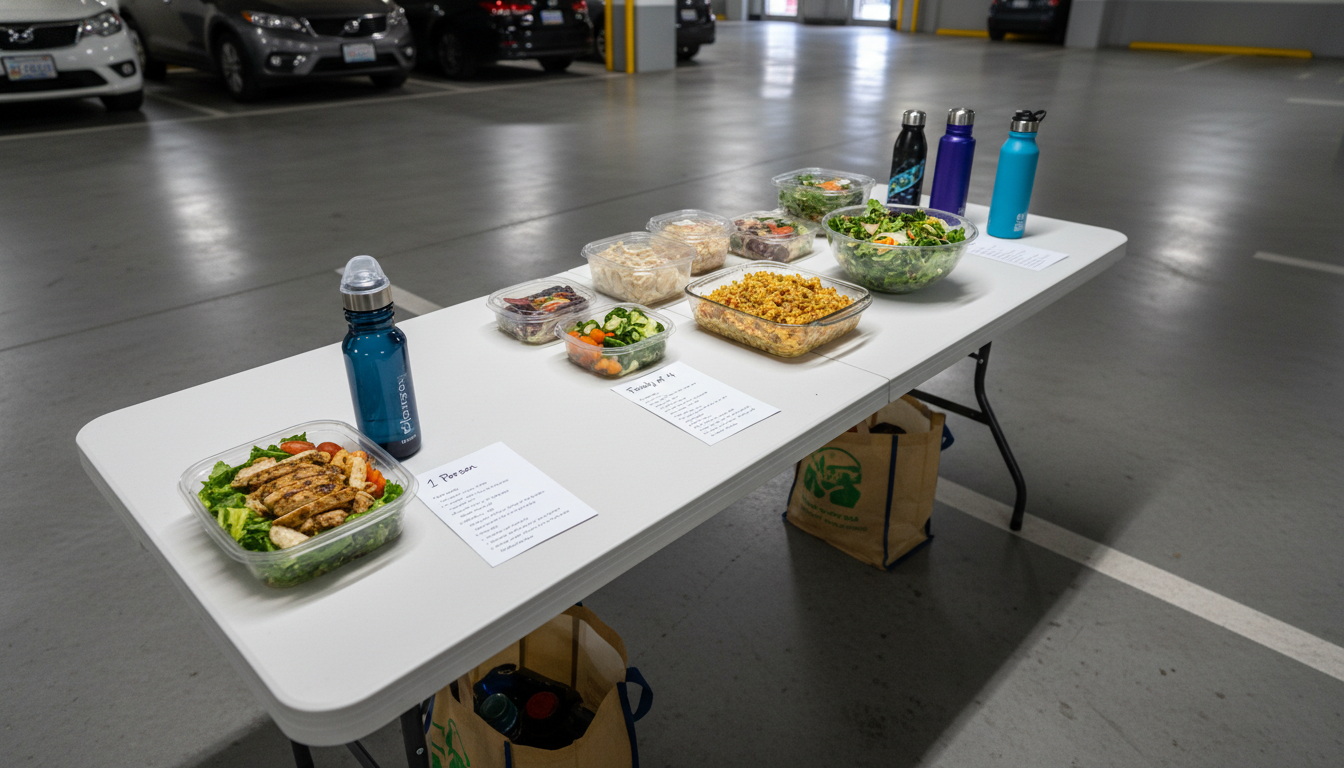
How do you scale meal plan recipes up or down for one person vs a family of four?
Scaling meal plan recipes is mostly a math problem with a few cooking “watch-outs.” Start by setting a multiplier: for one person from a 4-serving recipe, use 0.25; for a family of four from a 1-serving recipe, use 4. Multiply every ingredient amount by that number, then adjust where precision matters (especially spices, salt, and thickening agents). If you want a step-by-step checklist and examples, see the full guide here: https://anenos.com/how-do-you-scale-meal-plan-recipes-up-or-down-for-one-person-vs-a-family-of-four/.
1) Multiply ingredients, then “sanity check” the results
Convert tricky measures before scaling. For example, 1/3 cup becomes easier if you think “5 tablespoons + 1 teaspoon,” then apply the multiplier. After multiplying, round to cook-friendly amounts: 0.12 teaspoon is effectively a pinch; 0.75 tablespoon is 2 1/4 teaspoons.
2) Seasoning and heat don’t scale linearly
Salt, spicy ingredients, and potent herbs can overwhelm small batches. When scaling down, start with 70–80% of the calculated seasoning, taste near the end, and adjust. When scaling up, add seasoning in stages; large pots take longer to “come together,” and it’s easier to add than to fix over-salting.
3) Watch cook times and pan sizes
Cooking time depends on thickness and surface area, not serving count. A doubled soup may need longer to return to a simmer, but roasted vegetables on two sheet pans may cook faster than a crowded single pan. Use visual cues: browning, internal temperature, and texture.
4) Eggs, canned goods, and “odd” quantities
For half an egg, beat one egg and use half by volume (or weight). With canned tomatoes or beans, either scale using weight/ounces or plan leftovers intentionally—freeze extra portions or build them into a second meal.
5) Build in leftovers strategically
For one person, consider scaling to 2 servings (multiplier 0.5 from a 4-serving recipe) to create lunch the next day. For a family of four, double only the parts that reheat well (grains, proteins) while keeping fresh components (salads, toppings) closer to the original.
FAQ
How do you adjust cooking times when scaling a recipe?
Use doneness cues more than the clock: thickness and pan crowding matter most. Larger volumes may take longer to heat through, while spreading food across multiple pans can shorten roasting and browning time.










Leave a comment