Best Age for a Wooden Multiplication Board (6–12)
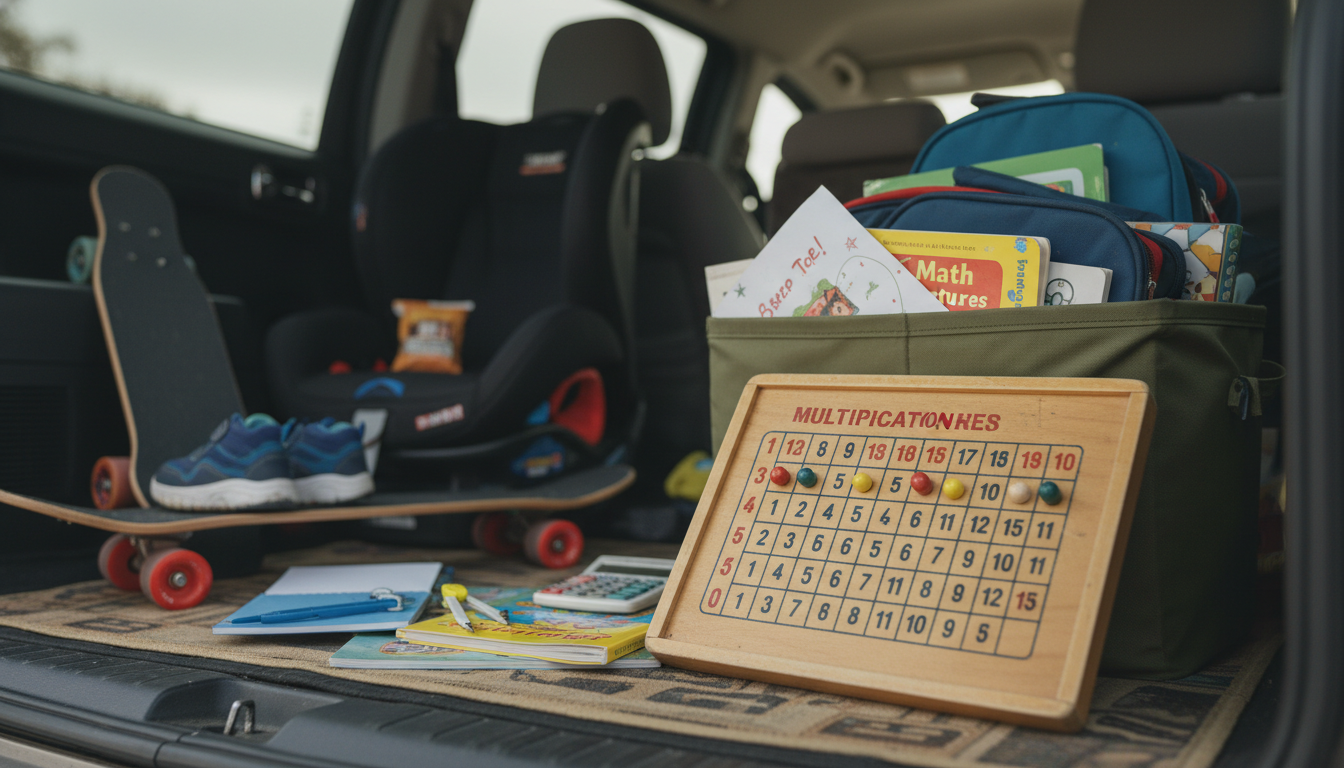
What age is a wooden multiplication board suitable for?
A wooden multiplication board is typically suitable for kids around ages 6 to 10, with the sweet spot often being 7 to 9 when multiplication facts are introduced and practiced in school. Many children can start exploring it earlier if they’re already comfortable with counting, skip counting, and simple addition, while older kids can still benefit from it as a hands-on way to strengthen speed and accuracy.
The “right” age depends less on a birthday and more on readiness. If a child can recognize numbers 1–12, follow simple directions, and stay engaged with short learning games, a multiplication board can be a great fit. For beginners, it works best when used as a discovery tool—finding patterns, building fact families, and learning that multiplication is repeated addition—rather than as a timed drill.
How to match the board to your child’s stage
Ages 5–6 (early exposure): Use it for number recognition, counting rows/columns, and skip counting by 2s, 5s, and 10s. Keep sessions brief and playful.
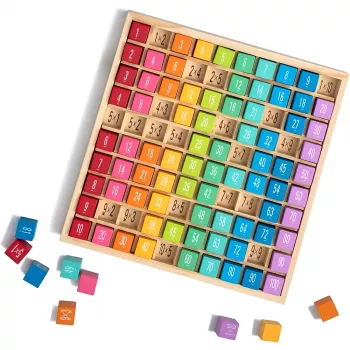
Ages 7–9 (core learning years): Ideal for learning and memorizing multiplication facts. Kids can practice one set at a time (like the 3s or 4s), check answers with the board, and notice patterns (commutative pairs like 3×4 and 4×3).
Ages 10–12 (reinforcement): Helpful for filling gaps, improving fluency, and building confidence before moving deeper into division, fractions, and multi-step word problems.
Safety and usability notes for younger kids
If the board includes small tiles or pegs, it’s generally better for ages 3+ and always with supervision for younger siblings in the home. Also consider fine-motor comfort: if placing pieces is frustrating, a printed or engraved board with fewer loose parts may be easier.
For a deeper breakdown of age ranges, learning milestones, and ways to use the board at home, visit the full guide: https://anenos.com/what-age-is-a-wooden-multiplication-board-suitable-for/.
FAQ
How do you use a wooden multiplication board for daily practice?
Pick one times table per week, practice a few facts per day, and have your child confirm answers by locating the row-and-column intersection. End with a quick “pattern hunt” (like noticing all even products in the 2s table) to keep practice engaging.








Leave a comment