Natural vs Lab Citrine Studs: How to Tell
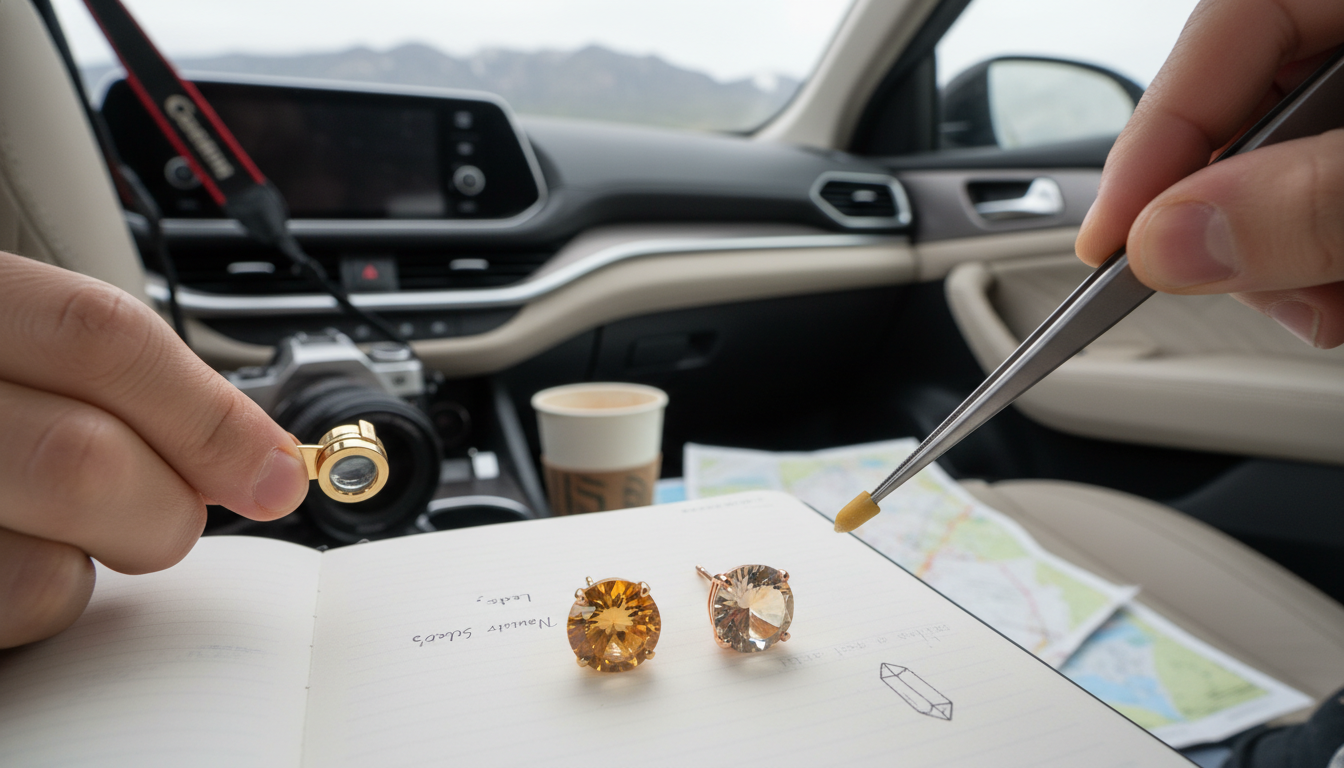
How can you tell if citrine in stud earrings is natural or lab-created?
Start with the paperwork. The most reliable way to separate natural citrine from lab-created material (or from common look-alikes) is to request a gem identification report from a reputable lab such as GIA, AGL, or IGI. A proper report will state the species (quartz), the variety (citrine), and disclose any treatments or synthetic origin when detected.
Check for disclosure and origin language
Product listings should clearly say “natural citrine,” “synthetic/lab-created quartz,” or “hydrothermal quartz.” Be cautious with vague wording like “genuine gemstone” or “citrine color,” which may indicate treated quartz or even glass. If the seller can’t answer whether it’s natural or lab-created in plain terms, that’s a red flag.
Look closely at color patterns
Natural citrine typically shows warm yellow to golden tones that can be subtly uneven. Many “citrine” studs on the market are actually heat-treated amethyst or smoky quartz, which can produce a stronger orange or reddish-brown cast, sometimes with concentrated color areas. Lab-created quartz may appear very uniform and “too perfect” in color, especially in calibrated pairs for stud earrings.
Inspect inclusions and clarity (with a loupe)
Under 10x magnification, natural quartz often has tiny internal features such as faint veils, wispy inclusions, or small natural growth marks. Lab-created stones can be extremely clean; when inclusions are present, they may look more “manufactured,” such as curved growth features or unusual, consistent patterns. That said, inclusions alone aren’t definitive—high-quality natural citrine can be very clean.
Confirm with a jeweler or gemologist
A qualified jeweler with gem-testing experience can help identify whether the stone is quartz and spot obvious simulants. Determining natural vs lab-created quartz, however, may still require advanced testing and documentation—especially when stones are small, set, and matched for studs.
For a deeper breakdown of telltale signs and what to ask a seller, visit the full guide on citrine stud earrings.
FAQ
Is heat-treated amethyst considered “natural citrine”?
Heat-treated amethyst is still natural quartz, but it’s typically sold as treated quartz and should be disclosed as heat-treated. Many shoppers consider it different from naturally occurring citrine, so clear disclosure matters.









Leave a comment