Best Body Cameras: Key Features and How to Choose
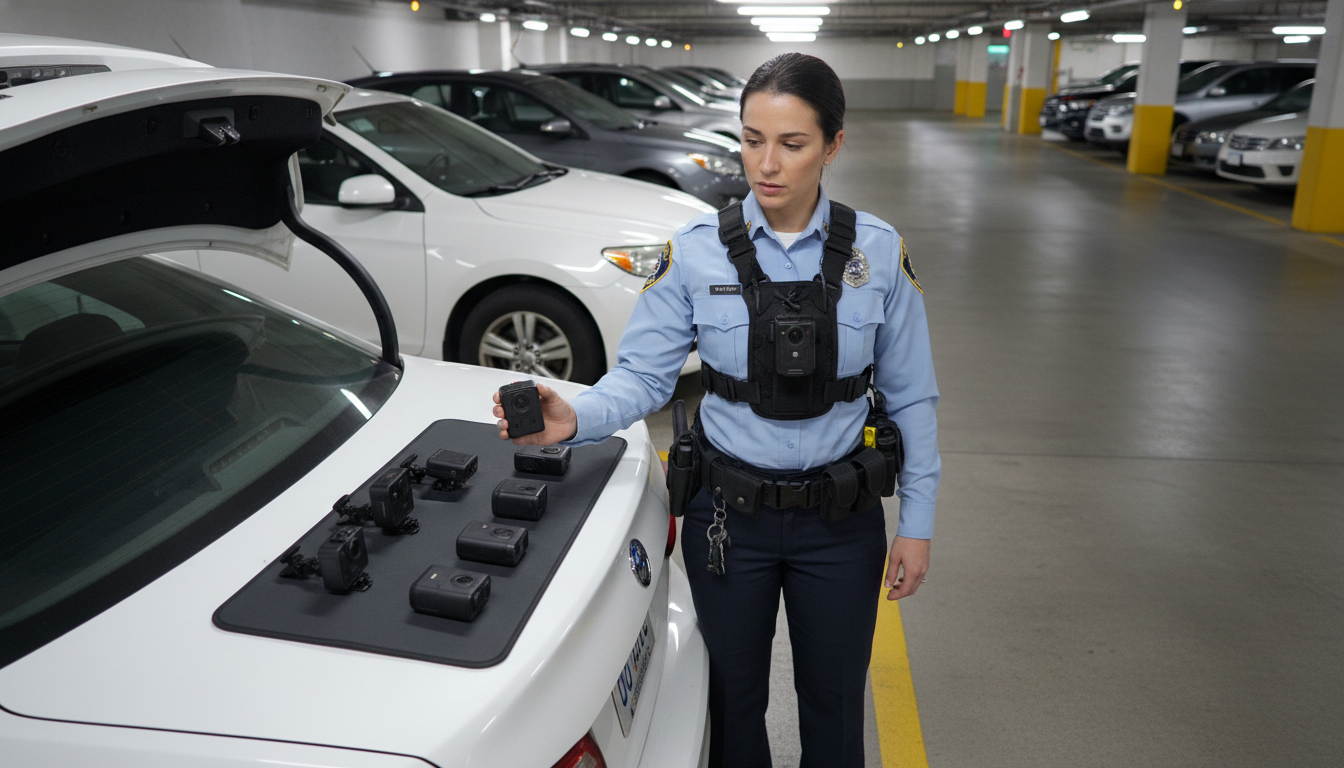
What are the best body cameras?
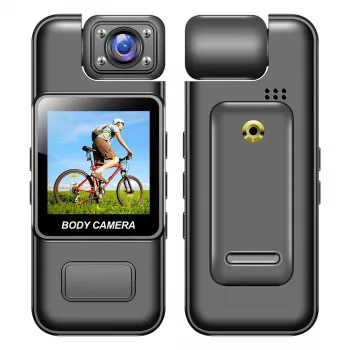
The best body cameras are the ones that match how and where they’ll be used—security patrols, delivery routes, rideshare driving, events, or personal safety. Top options typically share a few must-haves: sharp video (at least 1080p), reliable audio, strong low-light performance, a comfortable mount, long battery life for a full shift, and storage that won’t fail when you need footage most.
What to look for in a great body camera
Video quality and field of view: 1080p is a solid baseline, while wider angles capture more context. If faces and license plates matter, prioritize clarity over ultra-wide distortion.
Battery life: Aim for enough runtime to cover your typical day without constant charging. Many users target 8–12 hours for shift coverage.
Low-light recording: Night work benefits from infrared or strong sensor performance to avoid muddy footage.
Storage and file security: Check internal memory size, overwrite behavior, and whether files can be locked to prevent accidental deletion. If evidence handling matters, look for timestamping and tamper-resistant features.
Ease of use: Large, tactile buttons, quick record activation, and clear status indicators reduce missed moments.
Features that can matter more than specs
Pre-record and event marking: These help capture the lead-up to an incident and quickly flag key moments.
Mounting options: A secure clip, magnetic mount, or chest harness can make footage steadier and more usable.
Durability: Water resistance and drop protection are important for outdoor work, crowded environments, and daily wear.
Choosing the right model for your use
For professional use, prioritize durability, long battery life, and secure file handling. For personal safety or travel, smaller size, simple operation, and easy file transfer can be more important. For a deeper breakdown of recommended options and how to compare them, visit the full guide to the best body cameras.
FAQ
How long should a body camera battery last for a full shift?
For most shifts, 8–12 hours is a practical target. If you record continuously, choose a model known for all-day runtime or consider swappable batteries.







Leave a comment