Slow Cooker Mistakes to Avoid for Better Results
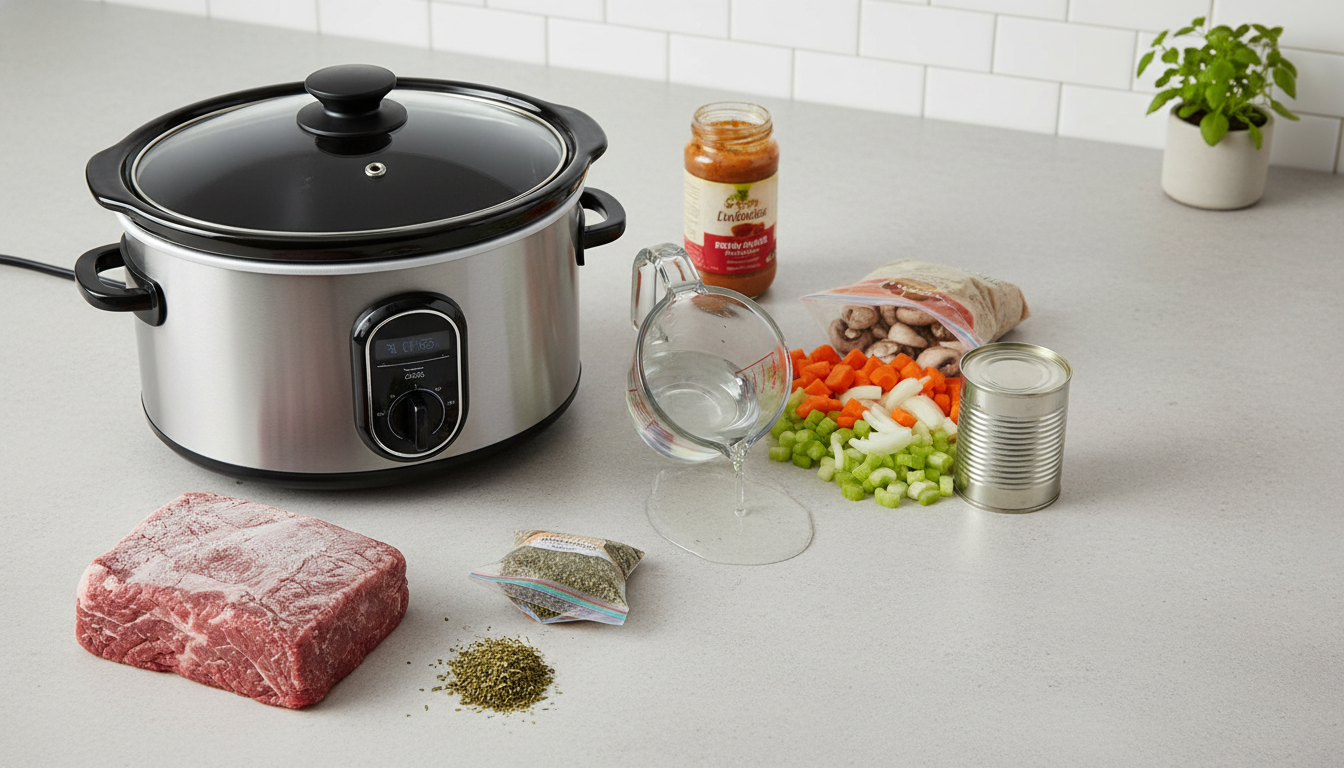
What are some common mistakes to avoid when using a slow cooker?
Slow cookers make hands-off meals easy, but a few missteps can lead to bland flavor, mushy texture, or uneven cooking. Avoid these common mistakes to get consistently better results.
Opening the lid too often
Each peek releases heat and can add 15–30 minutes to cook time. Trust the schedule, use a glass lid to check quickly, and only lift the lid when you truly need to stir or add a time-sensitive ingredient.
Overfilling (or underfilling) the crock
Filling past about two-thirds can cause spills and slow, uneven heating. Underfilling can make food cook too fast and dry out. Aim for roughly one-half to two-thirds full for most recipes.
Adding delicate ingredients too early
Fresh herbs, dairy, seafood, and many quick-cooking vegetables can break down or turn grainy if they simmer for hours. Add these near the end—often in the last 15–60 minutes—so they stay bright and balanced.
Using the wrong cut of meat (or skipping browning)
Lean cuts can become dry after long cooking, while tougher cuts (chuck, brisket, pork shoulder) shine. Browning isn’t required, but searing meat and sautéing aromatics can deepen flavor and improve texture in stews, roasts, and chili.
Not adjusting liquid and seasoning
Slow cookers trap moisture, so you usually need less liquid than stovetop methods. Also, flavors can taste muted after long cooking—season in layers, and finish with salt, acid (lemon juice or vinegar), or fresh herbs right before serving.
Cooking on “High” when “Low” is better
“Low” gives collagen time to melt and helps keep proteins tender. “High” can work for shorter recipes, but it’s more likely to overcook edges or tighten meat fibers.
Ignoring timer and cleanup features
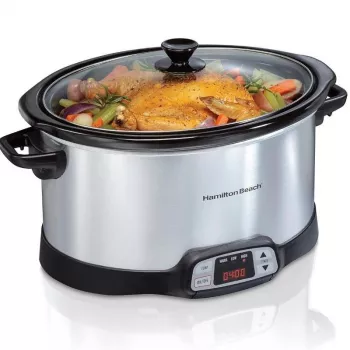
Letting food sit on “Warm” too long can dull texture and encourage overcooking. If you’re shopping for an upgrade, features like a programmable timer and dishwasher-safe parts make it easier to cook safely and clean up quickly. For a deeper look at helpful features, see this programmable slow cooker guide.
FAQ
Can you put frozen meat in a slow cooker?
It’s safer to thaw first because frozen meat can keep the cooker in the temperature “danger zone” too long. If you must start from cold, use smaller pieces and verify doneness with a food thermometer.







Leave a comment