Large Rice Cooker Guide: Capacity, Features, Tips
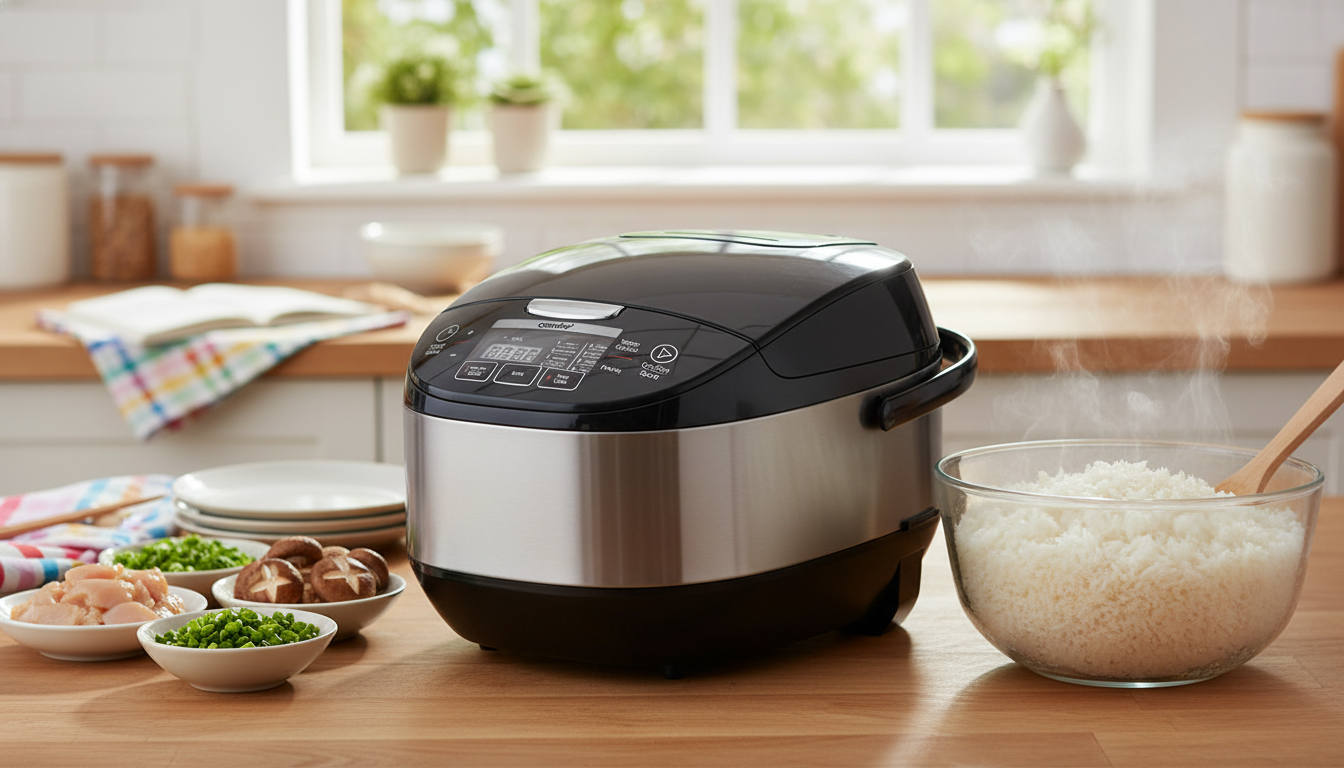
Large Rice Cooker for Family Meals and Batch Cooking
A large rice cooker can simplify weeknight dinners, meal prep, and entertaining by delivering consistent rice and hands-off cooking. This guide covers what matters most—capacity, features, ease of cleaning, and safe everyday use—plus a quick comparison checklist to help match a cooker to the way a kitchen actually runs.
What a large rice cooker is best for
Going bigger than a compact cooker isn’t just about making more rice at once—it’s about making dinner smoother when you’re feeding several people or planning ahead.
- Family-sized portions without multiple stovetop batches
- Meal prep for the week: rice for bowls, stir-fries, and quick sides
- One-pot cooking beyond rice (depending on model): steaming vegetables, warming, and simple grains
- More consistent results for different rice types when settings are available (white, brown, quick, keep-warm)
If the kitchen regularly handles packed schedules, a larger cooker helps reduce “one more pot” stress—especially when the main dish is already on the stove or in the oven.
Capacity and portion planning
Rice cooker sizing sounds straightforward until “cups” enter the conversation. Many brands rate capacity using a “rice cup” (about 180 ml) rather than a standard U.S. measuring cup. That difference can make a cooker seem larger (or smaller) than expected.
- Cup ratings can be confusing: some brands use a “rice cup” (~180 ml) rather than a standard measuring cup
- Choose capacity based on how often rice is made and whether leftovers are desired: cooking to full capacity daily can increase sticking and uneven texture on some units
- For mixed households, a larger pot can still cook small batches, but small-batch performance depends on bowl shape and heating design
- Storage and counter space matter: larger cookers often need a permanent spot and clearance for steam release
Quick capacity guide for everyday use
| Household use | Cooked rice needed | Typical uncooked amount | Suggested cooker size |
|---|---|---|---|
| 1–2 people (occasional leftovers) | 2–6 cups cooked | 1–2 cups uncooked | Small to medium |
| 3–5 people (regular rice nights) | 6–12 cups cooked | 2–4 cups uncooked | Medium to large |
| 6+ people, parties, batch cooking | 12+ cups cooked | 4+ cups uncooked | Large |
For batch cooking, it often helps to choose a cooker that can handle your “big night” volume while still performing well on smaller weekday portions. If small-batch rice is common, look for models known for even heating and clear, reliable waterline markings.
Key features that change day-to-day convenience
Two large cookers can cook the same amount of rice, yet feel completely different to live with. The difference is usually in the features that affect texture, timing, and cleanup.
- Keep-warm behavior: a good keep-warm function should hold texture without drying out quickly
- Delay timer: useful for having rice ready at dinner time, but best used with safe food-handling habits (especially with additions like broth or mixed ingredients)
- Steam basket: adds value if vegetables, dumplings, or fish are cooked alongside rice
- Inner pot material: nonstick is easy to clean; thicker pots can improve heat stability; avoid metal utensils that scratch coatings
- Lid design and steam vent: removable vents are easier to clean and help reduce lingering odors
- Controls and readability: simple programs are often more practical than many rarely-used modes
When comparing models, focus on the features you’ll use weekly. A dependable keep-warm plus a well-designed inner pot usually matters more than niche programs that rarely get tapped.
Getting better rice: practical tips that work with most cookers
Even a premium cooker can’t overcome inconsistent measuring or skipping the rest step. A few small habits tend to deliver the biggest payoff in texture.
Cleaning, durability, and safety checks
For everyday food safety guidance—especially when cooling leftovers—refer to the USDA Food Safety and Inspection Service and the FDA food storage resources. They offer practical, up-to-date recommendations for safe handling and storage.
A dependable option to consider
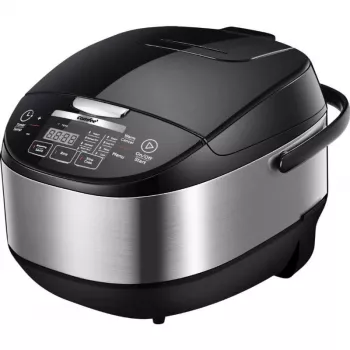
- Large Rice Cooker: suited for larger households, batch cooking, and hosting when consistent results and hands-off cooking are priorities
- Ergonomic Mesh Office Chair with Lumbar Support, Adjustable Headrest & 2D Arms: a practical comfort upgrade for long meal-prep sessions, recipe testing days, or extended kitchen planning at a desk or counter-height setup
- Wooden Multiplication Board for Kids: a simple way to keep kids engaged nearby while dinner is handled, especially during longer cook cycles and weeknight prep
FAQ
How much rice should be cooked per person?
A common range is about 1/4 to 1/2 cup uncooked rice per person (roughly 3/4 to 1 1/2 cups cooked), depending on whether rice is a side or the main base of the meal. Plan higher for athletes, big appetites, or meal prep, and add extra if leftovers are part of the plan.
Is it safe to leave rice on keep-warm for hours?
Keep-warm is designed to hold hot rice for serving, but texture and moisture typically decline the longer it sits. For best quality, serve sooner when possible and cool leftovers promptly using safe storage practices.
Why does rice come out mushy or hard in a rice cooker?
The most common cause is a measurement mismatch (rice cup vs. standard measuring cup) or using inconsistent water levels after rinsing and draining. Using the wrong program (white vs. brown) can also change texture, and small water adjustments can help fine-tune jasmine or basmati to preference.








Leave a comment