4-Temp Hot Water Dispenser: 3L Stainless Boiler Guide
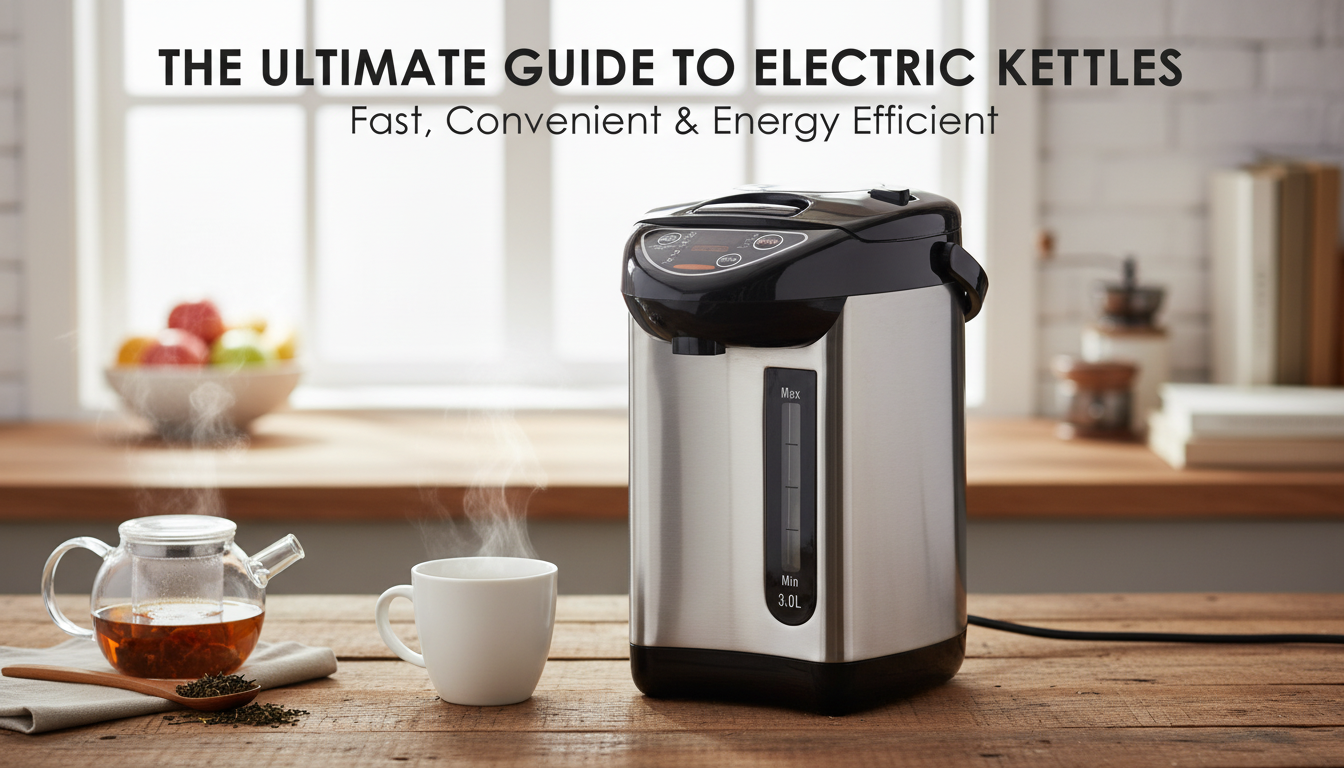
Hot Water When You Want It: 4 Temperature Settings + 3L Stainless Steel Boiler
A countertop hot water dispenser makes tea, coffee, oatmeal, and baby-bottle warming faster and more consistent than stovetop boiling. With four selectable temperatures and a stainless steel boiler, this 3L unit is designed for quick pours, predictable heat, and easier daily routines in kitchens, offices, and break rooms. For more guidance, see Boiling Water – Just Another Beverage Blog.
What this dispenser is designed to do
- Provide near-instant hot water on demand without waiting for a kettle to boil each time.
- Offer four temperature choices to better match different drinks and foods.
- Hold a larger volume (3L) to reduce refills during busy mornings or shared use.
- Use a stainless steel boiler to support durability and help minimize taste transfer compared with some plastic interiors.
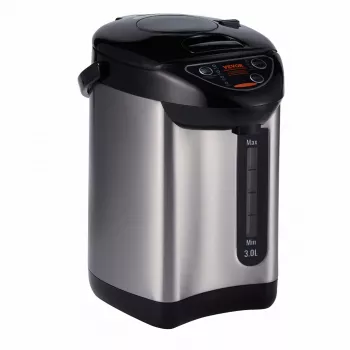
For a reliable everyday setup, see the Hot Water Dispenser with 4 Temperature Settings, 3L Stainless Steel Boiler. For further reading, see Difference between these 2 water boilers? • TeaForum.org.
Four temperature settings: practical ways to use them
Temperature control is what turns “hot water” into better results. Instead of defaulting to a rolling boil, you can choose the lowest effective setting—often improving flavor, reducing accidental scorching, and trimming energy use over time.
- Lower setting: suitable for warming tasks and drinks that benefit from gentler heat (helps reduce scorching and over-extraction).
- Medium setting: convenient for most everyday hot drinks and quick cup noodles without reaching a full boil.
- High setting: useful when a hotter pour is preferred for stronger brews or faster rehydration of foods.
- Max/near-boiling setting: intended for applications that typically call for very hot water (certain teas, instant soups, sanitizing rinse where appropriate).
- Tip: Choosing the lowest effective temperature can reduce energy use and helps lower the risk of accidental scalding.
Choosing a temperature setting by use
| Setting | Best for | Notes |
|---|---|---|
| Low | Warming, gentle beverages | Helps avoid overheating delicate drinks |
| Medium | Everyday coffee/tea, instant snacks | Balanced speed and comfort for sipping sooner |
| High | Hotter brews and faster food prep | Useful when a hotter pour improves results |
| Max / Near-Boiling | Very hot pours, quick rehydration | Use care to prevent burns; keep away from children |
Why a stainless steel boiler matters
- Durability: stainless steel boilers are typically more resistant to corrosion than some mixed-material tanks.
- Taste and odor: stainless interiors can help reduce lingering tastes compared with some plastic contact surfaces.
- Heat performance: metal boilers can support stable heating and recovery when multiple cups are dispensed in a row.
- Cleaning considerations: mineral scale can still form; regular descaling is important regardless of boiler material.
If food-contact materials are a priority in your kitchen, it’s worth reviewing general guidance on food-contact substances from the U.S. FDA.
Capacity and pacing: how 3L fits daily life
- 3L capacity can serve multiple drinks back-to-back before needing a refill.
- Helpful for shared spaces (family kitchens, small offices, waiting rooms) where several people want hot water within a short window.
- Refill strategy: topping up before peak times (morning, meetings) keeps performance consistent and reduces interruptions.
- Water quality note: using filtered water can improve taste and may slow mineral buildup.
In an office setting, pairing a hot-water station with a comfortable workstation can make long days smoother. Consider the Ergonomic Mesh Office Chair with Lumbar Support, Adjustable Headrest & 2D Arms for a more supportive desk setup.
Safety and spill control habits
- Place on a stable, level surface away from counter edges to reduce tip risk.
- Route the power cord to avoid snagging and accidental pulls.
- Treat the highest setting like boiling water: keep hands clear of the dispense area and avoid overfilling cups.
- If children are present, position the dispenser out of reach and avoid leaving a mug under the spout unattended.
- Allow the unit to cool before moving it, draining it, or performing cleaning tasks.
For broader household burn-prevention best practices, see the CDC’s guidance on preventing scalds and burns.
Setup and everyday use checklist
- Initial rinse: run one or two hot-water cycles and discard the water to remove any manufacturing or packaging residues.
- Fill level: keep water within the indicated range; avoid running the unit dry.
- Temperature selection: choose the setting first, then dispense into a heat-safe mug or container.
- Batch prep: fill a thermos or teapot when needed, then return to a lower setting to maintain convenience with less heat.
- Routine: wipe exterior splashes promptly to prevent water spots.
Cleaning and descaling for consistent flow
Quick troubleshooting: common symptoms and fixes
Who this dispenser fits best
FAQ
Is a hot water dispenser safe to leave on all day?
It can be, as long as it’s placed on a stable surface, ventilation areas stay clear, and you follow the manufacturer’s standby guidance. Use a lower temperature when full heat isn’t needed, and keep the dispenser out of reach of children to reduce burn risk.
How often should a stainless steel boiler be descaled?
It depends on water hardness and how often you dispense—many households descale every few weeks to every few months. If you notice slower flow, more noise during heating, or persistent mineral taste, it’s usually time to descale and then rinse thoroughly.
Which temperature setting is best for tea and coffee?
Delicate teas often do better on a lower or medium setting, while black tea usually benefits from a hotter pour. Coffee commonly tastes best with very hot (but not always near-boiling) water, so starting at a middle setting and adjusting to taste is a practical approach.






Leave a comment