5-Gallon Wet/Dry Vac: Enough for Garage & Car Detailing?
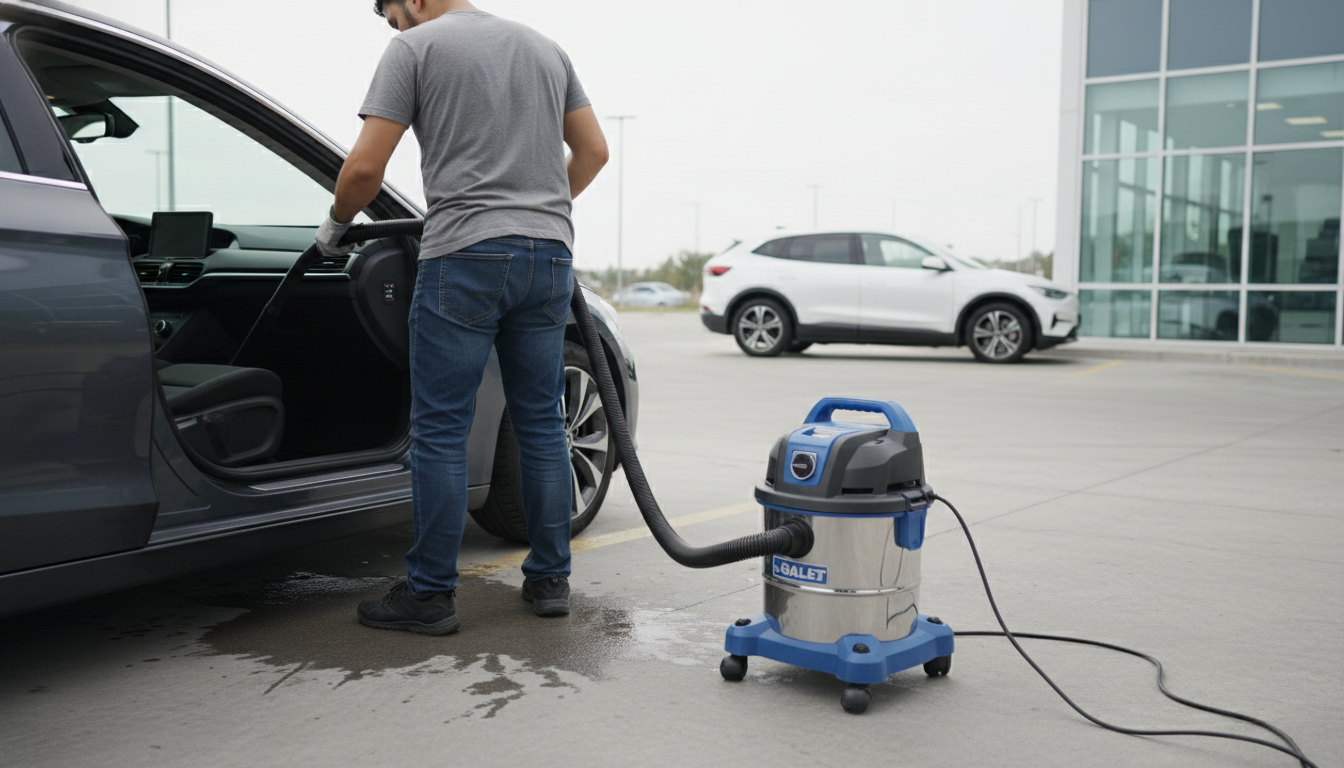
Is a 5-gallon wet/dry vacuum big enough for garage and car detailing jobs?
Yes for most quick cleanups and routine detailing—within a few practical limits.
A 5-gallon wet/dry vacuum is usually big enough for typical garage messes and most car detailing sessions, especially if the goal is to pick up dry debris (crumbs, sand, sawdust) and handle small wet spills. This size hits a sweet spot: it’s compact enough to carry around the driveway or tuck into a trunk, but still has enough tank capacity to avoid constant emptying during normal use.
For car interiors, capacity is rarely the limiting factor. What matters more is suction performance, hose size, and whether you have the right tools to reach tight areas like seat rails, between console seams, and under floor mats. A 5-gallon unit is also easier to maneuver around doors and seats than larger shop vacs, which can feel bulky during detailing.
In a garage, a 5-gallon vac handles everyday cleanup well—metal shavings, dirt tracked in, small drywall dust piles, and light workshop debris. It also works for spot-cleaning wet messes, like minor coolant drips caught in a tray area or a small puddle near the door. Where it can fall short is long, heavy jobs: large volumes of wet pickup (like a flooded area), big renovation dust cleanup, or frequent vacuuming of expansive garage floors without breaks.
If you want a deeper dive into what to look for—capacity tradeoffs, blower use, and how a 5-gallon model compares to larger tanks—see the full guide here: 5-gallon wet/dry vacuum with blower for garage and home.
Bottom line: a 5-gallon wet/dry vac is “big enough” for most garage and car detailing tasks, provided you’re not expecting it to replace a larger shop vacuum for high-volume wet pickup or all-day workshop cleanup.
FAQ
What attachments make a small wet/dry vacuum better for auto detailing?
A crevice tool and a small brush attachment help reach tight gaps and lift debris from fabric and vents. A narrow nozzle or detailing kit also improves control so you can clean seams and corners without scattering dirt.









Leave a comment