5-Gallon Wet/Dry Vac with Blower: Garage Cleanup Pro
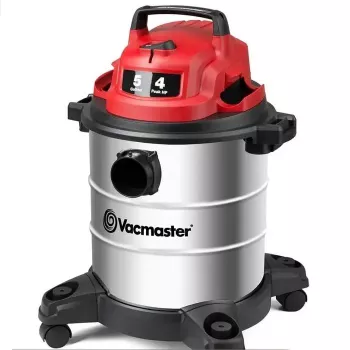
Powerful 5-Gallon Wet Dry Vacuum with Blower for Garage, Shop, and Home Cleanup
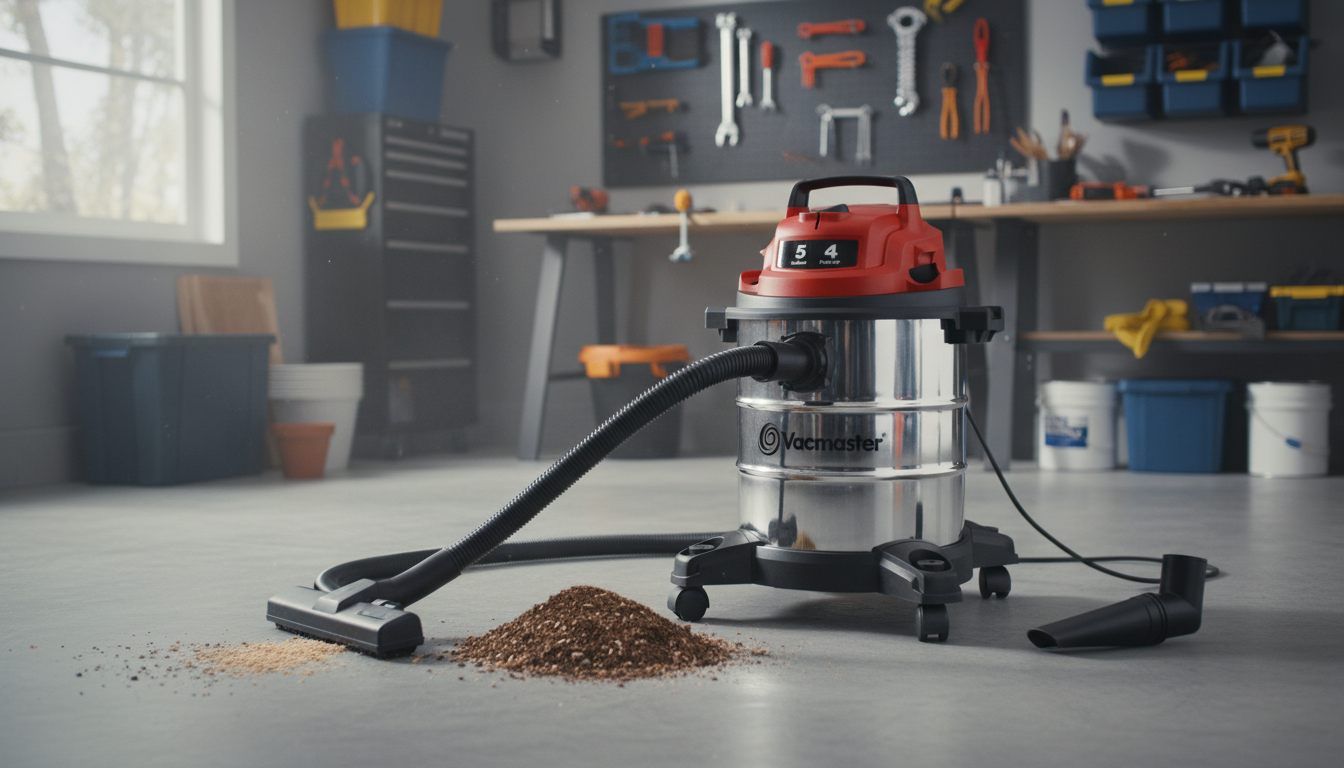
A compact wet/dry vacuum with a built-in blower can cover a surprising number of everyday messes—without the storage headache of a full-size shop vac. A 5-gallon tank hits a practical middle ground: enough capacity for typical garage debris and small liquid pickups, but still easy to carry, dump, and stash on a shelf. When the job calls for airflow instead of suction, blower mode adds a second tool-like function for clearing corners, drying damp areas, and pushing loose debris into an easy-to-vacuum pile.
What a 5-Gallon Wet/Dry Vacuum with Blower Is Best For
- Garage and workshop cleanup: sawdust, drywall dust, wood chips, and general debris around benches and tools.
- Vehicle detailing: seats, floor mats, cargo areas, and tight crevices with the right nozzle.
- Basement and utility areas: minor water spills, damp debris, and routine maintenance messes near washers, water heaters, or utility sinks.
- Outdoor tasks using blower mode: clearing leaves from steps, blowing debris out of corners, and drying hard-to-reach areas.
- Quick-response cleanup: a smaller tank size is often simpler to carry, empty, and store than larger shop vacs.
Key Features That Matter Day to Day
- 5-gallon capacity: enough volume for common home/shop messes while staying manageable to lift and empty.
- Wet pickup capability: useful for small floods, spills, and damp debris (used with the correct configuration).
- Dry pickup capability: handles dust and debris with appropriate filtration.
- Blower function: expands usefulness for clearing, drying, and pushing debris out of tight spaces.
- Compact footprint: easier to store in a closet, on a shelf, or in a garage corner than larger tanks.
Specs at a Glance
Use these basics to confirm the vacuum fits the intended space, cleanup type, and storage needs. Prioritize tank size, wet/dry compatibility, and the presence of blower mode for versatility.
Quick Reference: Core Capabilities
| Item | Details | Why it matters |
|---|---|---|
| Tank capacity | 5 gallons | Balances run time and portability for typical garage/home tasks |
| Modes | Wet pickup / Dry pickup / Blower | Handles more scenarios without needing separate tools |
| Best-use settings | Garages, workshops, cars, utility rooms | Designed for mixed messes and tight spaces |
| Cleanup type | Dust, debris, small liquid spills | Supports routine maintenance and quick-response jobs |
| Portability focus | Compact form factor | Easier carrying, dumping, and storage than larger models |
Wet Pickup Tips for Cleaner, Safer Results
- Confirm wet configuration before collecting liquids: follow the unit’s setup guidance for wet pickup and filtration so airflow stays safe and consistent.
- Avoid hazardous materials: don’t pick up hot liquids, volatile chemicals, or anything flammable.
- Empty soon after wet pickup: standing dirty water is the fastest path to odors and residue.
- Rinse and dry: a quick rinse and dry-down helps prevent mildew and sticky buildup.
- Create a repeatable routine: pickup → empty → rinse → dry → store with airflow so the tank can fully dry between uses.
For general electrical and job-area safety—especially around cords and wet floors—review basic guidance from OSHA and the NFPA electrical safety resource hub.
Dry Debris and Fine Dust: Filtration and Technique
- Use the correct filter setup for dry pickup: proper filtration helps maintain suction and reduces dust blow-through.
- For fine dust, empty more often: drywall and sanding dust can pack the tank and filter faster than larger debris.
- Work in sections: start with edges and corners, then move to open areas to limit dust resettling.
- Use a crevice nozzle strategically: seat rails, seams, cabinet corners, and tool drawer gaps are where debris hides.
- Avoid unsafe materials: don’t vacuum glowing embers, ash with hidden heat, or hazardous dust without the right rated filtration and PPE.
Using Blower Mode Effectively
- Clear hard-to-reach debris: blow out corners, tool benches, and crevices before vacuuming to reduce repeated passes.
- Drying assistance: after wet pickup, use airflow across damp surfaces to speed drying (especially in seams and tight spots).
- Light outdoor cleanup: steps, patios, and garage thresholds benefit most—small areas where a compact blower is plenty.
- Control the mess: aim airflow away from open doors, vehicles, and people to keep dust contained.
- Use short bursts: quick pulses offer better control around delicate items than continuous blasting.
Maintenance That Preserves Suction and Extends Life
Common Issues and Quick Fixes
Is This 5-Gallon Size the Right Fit?
Product Options (In Stock)
- Powerful 5-Gallon Wet Dry Vacuum with Blower — compact for mixed wet/dry messes plus blower utility (listed price: $77.17).
- Summer-Friendly Fabrics | Practical eBook Guide to Breathable Fabrics for Summer, Stay Cool, Comfortable & Stylish in Hot Weather — a helpful pick if garage or shop work happens in high heat and comfort matters (listed price: $16.99).
- Kids Instant Camera 20MP, HD 1080P Print Camera with 32GB Card & Fun Features — useful for quick before/after snapshots during cleanup and organization projects around the home (listed price: $42.51).
FAQ
Can a wet/dry vacuum pick up water from a small flood or leak?
Yes, for small-scale cleanup as long as it’s configured for wet pickup. Empty and dry the tank promptly afterward, and avoid any hazardous or flammable liquids.
When should blower mode be used instead of vacuuming?
Use blower mode to push debris out of tight corners, dry damp areas after wet pickup, or corral loose material into a pile before vacuuming. It’s also handy for light cleanup on steps and thresholds.
How can suction be kept strong over time?
Keep the tank from overfilling, remove hose/nozzle clogs, and maintain clean seals so air leaks don’t reduce performance. Clean or replace filters as recommended, especially after fine dust jobs.








Leave a comment