Are Opal Stones Valuable? What Affects Their Price
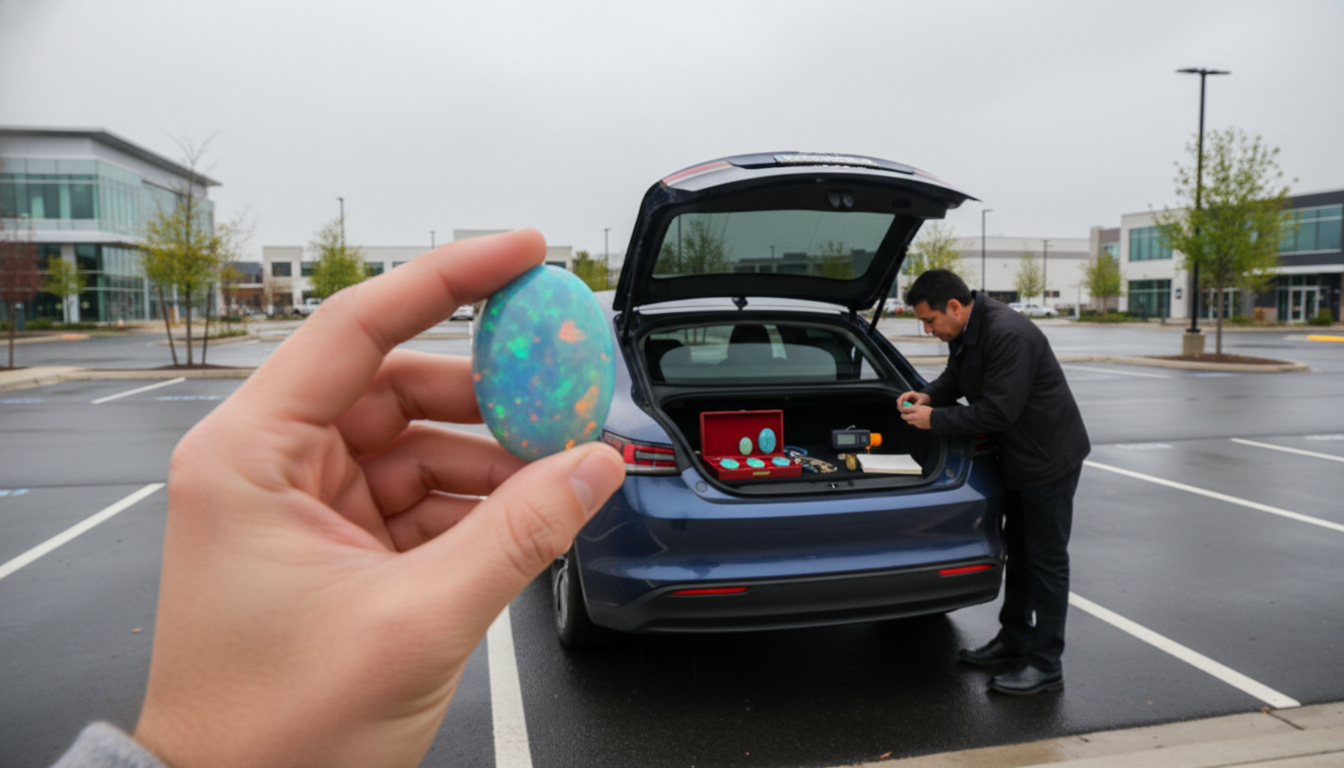
Is an opal stone worth anything?
Yes—an opal stone can be worth anything from a few dollars to thousands, depending on the type of opal and the quality of the individual stone. Opal value isn’t determined by size alone; it’s mainly driven by how vivid the “play-of-color” looks (those shifting flashes of color), how rare the body tone is, and whether the stone is natural, treated, or lab-created.
What makes an opal valuable?
The biggest price driver is play-of-color: brighter, broader, and more consistent color flashes typically command higher prices. Pattern matters too—distinct patterns like harlequin or broad flash are often prized. Body tone also plays a role; darker opals (like black opal) can make colors appear more intense and are generally rarer. Clarity and durability count as well: fewer cracks, less “crazing,” and a well-cut surface that maximizes color will raise value.
Which types of opal are usually worth more?
Natural black opal is often among the most valuable due to rarity and dramatic contrast. High-quality boulder opal and crystal opal can also be quite valuable, especially when the stone shows strong color across the face. Common opal (which lacks play-of-color) is usually less expensive, though it can still be desirable for its soft, milky look and unique hues.
Does setting and care affect what it’s worth?
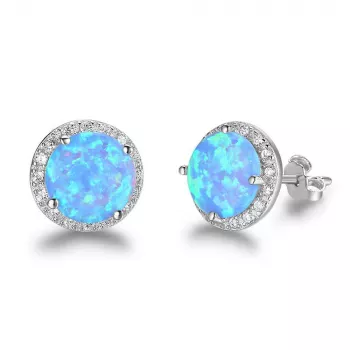
The stone’s inherent quality sets the baseline value, but the finished jewelry piece can increase overall worth—especially with solid precious metals and good craftsmanship. Opal is softer than many gemstones, so condition matters: chips, scratches, and dryness-related crazing can reduce value. For practical wear tips—especially for pieces like stud earrings—see this opal sterling silver stud earrings guide.
How to estimate value before buying or selling
Look for bright, lively color in multiple lighting conditions and check for surface cracks or a “honeycomb” crazed texture. Ask whether the opal is natural solid opal, a doublet/triplet (layered), or lab-created, since those categories can vary widely in price. When the value is significant, a reputable jeweler or gemologist appraisal is the safest route.
FAQ
How do I know if an opal is real or synthetic?
Real opals can be natural or lab-created, and both can look convincing. Check for disclosure from the seller, watch for perfectly uniform patterns (often a lab clue), and consider a jeweler’s verification if you’re spending more than a modest amount.








Leave a comment